Outside is Open! Ideas for Outdoor Work and Recess During Distance Learning
 While our school has temporarily closed in the effort to slow the spread of COVID-19, our community has jumped back in to what we do best—learning! Villa di Maria guides are working in collaboration with parents and students every day to keep our children connected and inspired to keep learning.In today’s post, we’ll share some ideas for an essential part of the day—getting outside. Spending time outdoors is a great way to get moving, reduce stress and improve your overall health. At VdM students move freely between their indoor and outdoor work spaces. It is part of their routine and an easy thing to replicate at home during this time of distance learning.Below we've got ideas for outdoor work, jobs (care for the environment), and recess—or anytime you and your family need a dose of fresh air and vitamin D.


Outdoor Work & Jobs
- Word collection walk: Take a walk and "collect" all the words for the things you see. This is a great way for younger children to build on their spoken vocabulary. Older children will carry a notebook to record their word collection as they walk. Add challenges to find adjectives or synonyms for the words they find.
- Observe/collect leaves or flowers: All children can collect flowers and leafy plants to bring inside for arrangements or art projects. Older children can also use flowers and leaves for botany identification and experiments.
- Build a bird, bug or bat house: Research the needs of a particular species of bird, bug or bat and build a shelter for them. Be sure to measure, draw plans, and offer the right amount of assistance needed depending on your child's stage of development. This website has great ideas for building shelters for bugs and other minibeasts.
- Bird, bug or wildlife watching: Look for and identify birds, bugs, squirrels and chipmunks in your yard or neighborhood. Use binoculars or magnifying glasses if you have them. Children can vocalize, draw or write their observations.


- Planting seeds or seedlings: Younger children can help get the garden up and running with your direction, and older children can measure the plot, space the seeds, research the plant's needs and tend to the growing seedlings. You could even double down on this project with older children—they can experiment with seed growth under various conditions and dissect seeds and seedlings.
- Compost: If you don't have a backyard compost bin and have always wanted one, this is a great time to start—your children can do the research, take the measurements and help build one! Then, children can collect the kitchen scraps and turn the compost on a daily basis.
- Pet care: Walk, wash or play with the dog. Care for the backyard chickens and collect the eggs. When it's warm enough, and if you have the appropriate enclosure, bring rabbits, guinea pigs, turtles or other small pets outside for a bit of fresh air.
- Reading, writing, painting and more: If your child is feeling restless but it's not the right time for "official" outdoor work, move the reading, writing, painting or other tasks outside for a change of scenery.


Recess
VdM students are outside, in nearly every kind of weather, for about an hour each and every school day. This is a crucial part of the work day because it provides socialization, movement, fresh air, exercise and relaxation. While socialization is currently limited during distance learning, we can still reap the other benefits at home. Read below for some recess-at-home inspiration.
- Walking and jogging... and skipping, hopping, and galloping. Travel through the sidewalks of your neighborhood with whichever silly combination of movement your child can dream up.
- Yard games: Tag, hide and seek, hopscotch, Simon says, red light, green light—get these all back into the rotation for classic, timeless fun. Click here for a great list of outdoor games.
- Go for a ride: Explore the neighborhood or the path through your local park on bikes, skateboards, roller-blades or scooters.
- Play ball: Dribble the basketball, toss the football, play a game of old-fashioned catch or come up with a new game-ball-mash-up, complete with a set of child-designed rules.
- Free time in the yard: On days when the priority is relaxation (and there will many of these), your children should feel free to just be outside. They might want to read, kick a ball around, or just lie on their backs in the sun. This might also be an opportunity to take the laptop to the patio and connect with friends on a video call. The important thing is they have the chance to take advantage of being outdoors.

 We hope these ideas inspire you to embrace the outdoors during distance learning. You and your child will learn more, feel more relaxed and have more fun. Happy spring from VdM to you!Thank you to the Andre Zheng, Dosanjh, Smith and Thrall families for the photos.
 While Villa di Maria, the school, is temporarily closed in the collaborative effort to slow the spread of COVID-19, Villa di Maria, the community, is just coming off Spring Break and ready to jump back in to what we do best—learning!Our incredible and dedicated guides have been working to create distance-learning plans for each of our levels—the Children's House, Lower Elementary and Upper Elementary—to keep our children connected to VdM and inspired to keep learning. Each level's plan is designed to meet the particular developmental needs of its children (in true Montessori fashion!) but they all share a common framework—independence within structure and consistency.In today's post, we'll share some ideas for getting your home and your family ready to take on the challenge of the upcoming weeks—to get ready for distance learning.
 To facilitate their confidence-boosting sense of independence with a few modifications to your home environment. Have your children help prepare their work- and play-spaces by tidying them up, organizing the materials they might need for work, and setting those items out for your children to easily access. For younger children, these items might include scissors, paints, pencils, paper, picture books, and flowers; and for older children: books, work journals, lined and graph paper, rulers and protractors, clay, yarn, flowers and leafy plants, and laptops/tablets.So that's step one—create a space to inspire and facilitate independent learning for children while they're learning from home. Which brings us to step two...








 The very best part of Villa di Maria is our people. Our community of families, faculty and staff is something to be proud of. In this series, We are VdM, we’ll highlight the energies, talents, humor and wisdom of some of our amazing people. Today, we'll meet Faith, Tim and Ethan Schroeder. The Schroeders joined VdM last year, and Ethan is currently a second-year student in Ms. Sarah's Lower Elementary.

 VdM: How did you find Montessori and what brought you to

 VdM: What is something your family plans to do this summer?

 The very best part of Villa di Maria is our people. Our community of families, faculty and staff is something to be proud of. In this series, We are VdM, we’ll highlight the energies, talents, humor and wisdom of some of our amazing people. Today, we'll meet Heather, Trevor, Ella and Cade Davies. The Davies family joined VdM last year. Cade is currently a second-year student in Ms. Sarah's Lower Elementary and Ella is a fourth-year student in Upper Elementary.


 [gallery columns="2" size="full" ids="7384,7409"]

 Thank you, Heather, Trevor, Ella and Cade. We are thrilled to have your family as part of ours.Photos courtesy of the Davies family.
 Spring in Missouri, a time for crocuses, chickadees, wild flowers, frog songs... and terrible, loud, scary storms. For many children, the sights and sounds of a storm—or even the idea of a storm—can cause a lot of anxiety. Their imaginations are powerful and they might not be able to make the distinction between what could and what is actually happening. And if they've heard of or seen footage of a recent weather disaster, of which there are many in here in Missouri, their anxiety might be heightened.Here at Villa di Maria, we practice our severe weather protocols with the children a few times during the school year, in sync with the city's severe weather/tornado sirens. While they are necessary to ensure our safety, these drills can be tough for children who are especially prone to weather anxiety. So, what can we (and you) do to help ease the anxiety?
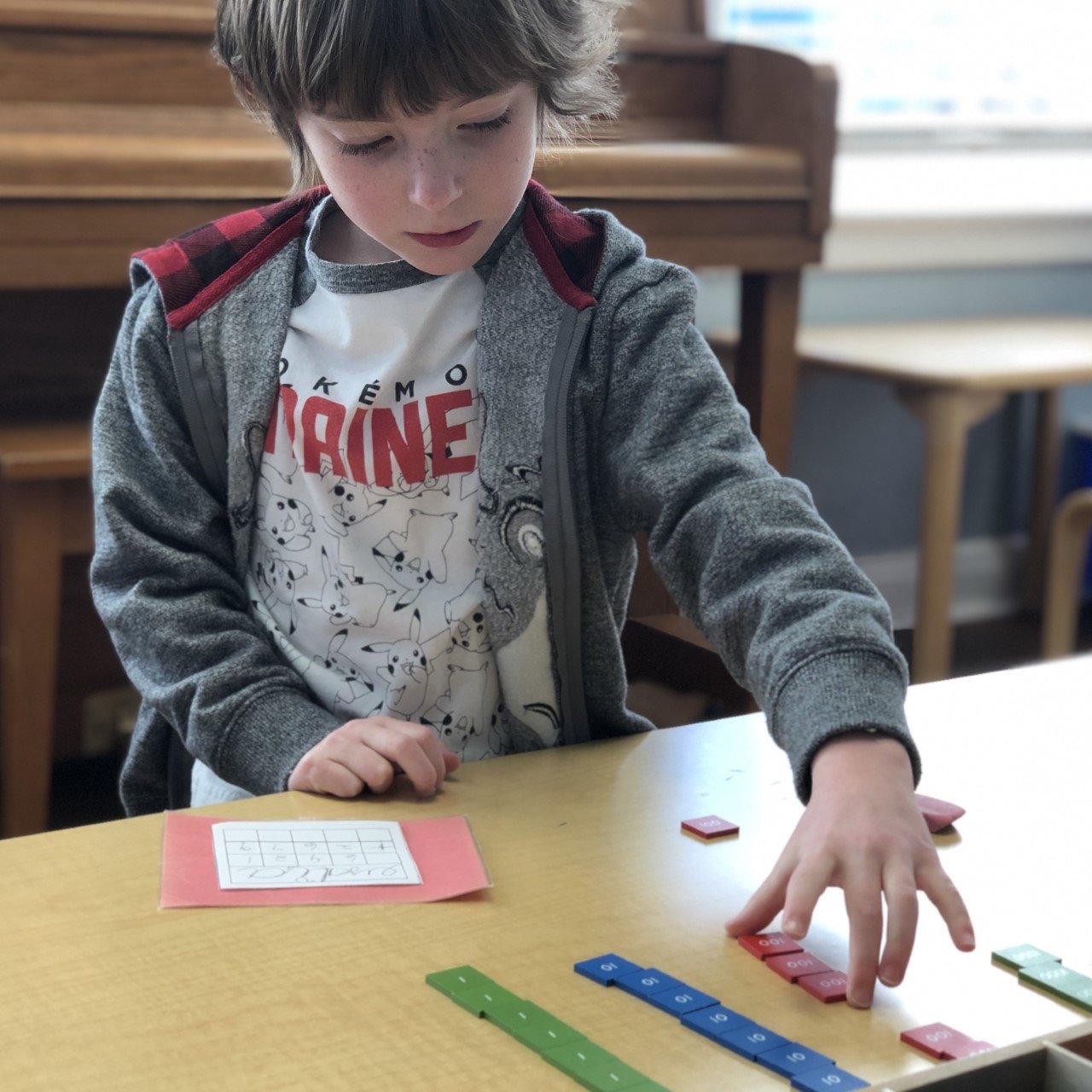 Parents of young Montessori children don't often see a lot of "work product" from math lessons coming home with their children. There are no work sheets to complete over the weekend. No times tables to recite over dinner. This can seem foreign to those of us who learned math by rote learning—through drills, practice, memorization and workbooks to complete at home—and lead us to wonder, is math really happening in the Children's House?The answer is yes! Math is happening in the Children's House, and it is happening in a meaningful and intentional way.Like everything in the Children's House, the sequence of math lessons is designed to follow the natural development of the child. Math is introduced to the very young child in a concrete way, with sensorial materials that she can touch, feel and manipulate with her hands. With these hands-on materials, the child learns how to count, to measure, to recognize and predict patterns, to compare, and she begins to discover what happens when numbers are put together in different ways. These first materials also introduce, from the very beginning, place values—ones, tens, teens, hundreds and thousands—giving the child a solid, foundational number sense.As the child develops the ability for abstract thought, she's introduced to materials that maintain the hands-on involvement while also offering opportunities to think abstractly. She's introduced to the four operations, one at a time, as she begins to think analytically and to solve problems. And she is introduced to the purely abstract numbers on a page.
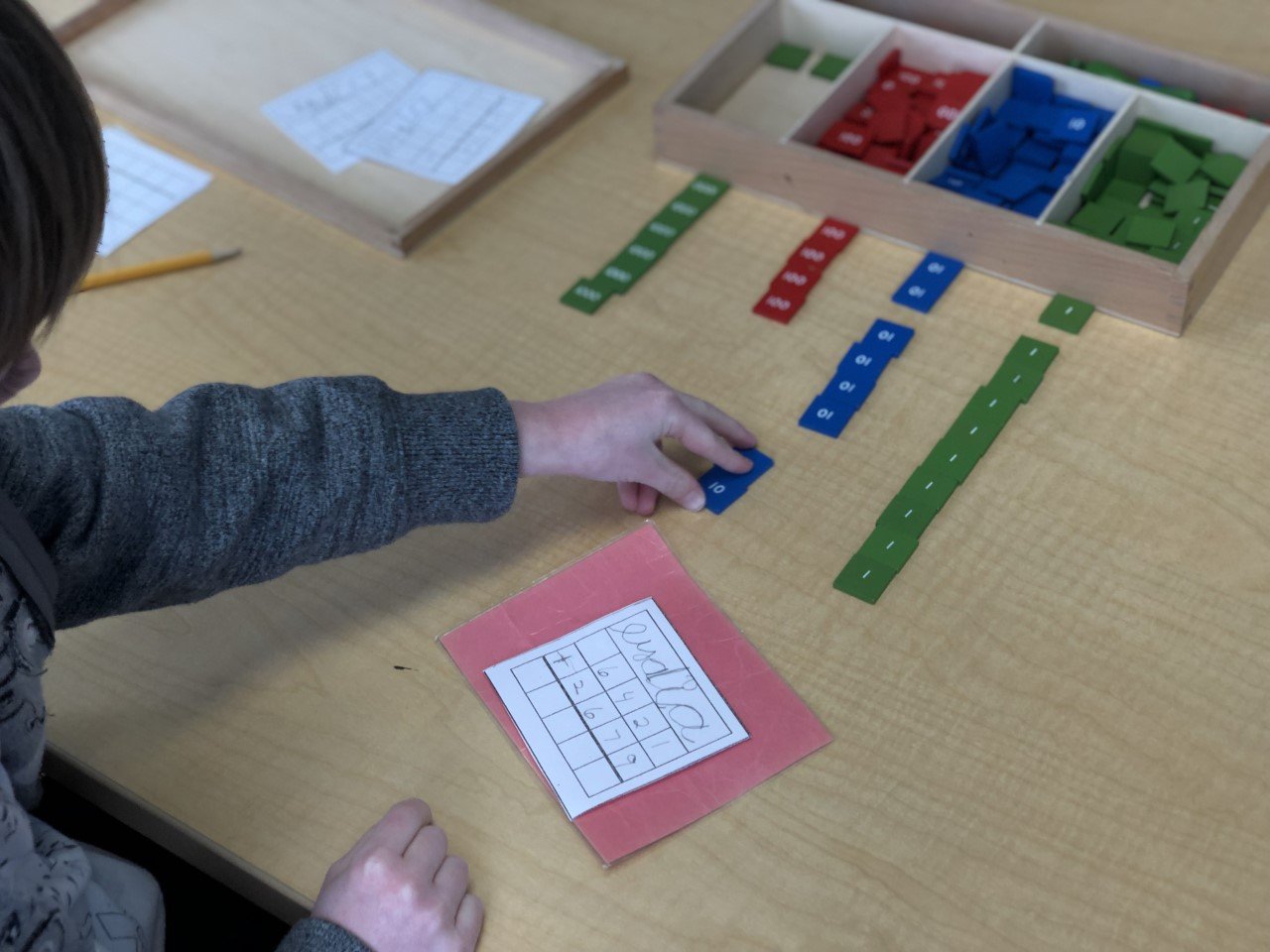 The Addition Stamp Game is the child's introduction into the world of abstract calculations. By the time she's introduced to this lesson, the child has mastered the foundational math materials that gave her a number sense and she has been introduced to the first operation, addition, with the golden beads.When working with The Addition Stamp Game, the child is given an addition problem on paper and asked to calculate it using small tiles, or stamps. She is practicing an abstract calculation while using familiar, concrete methods of mathematical thinking.
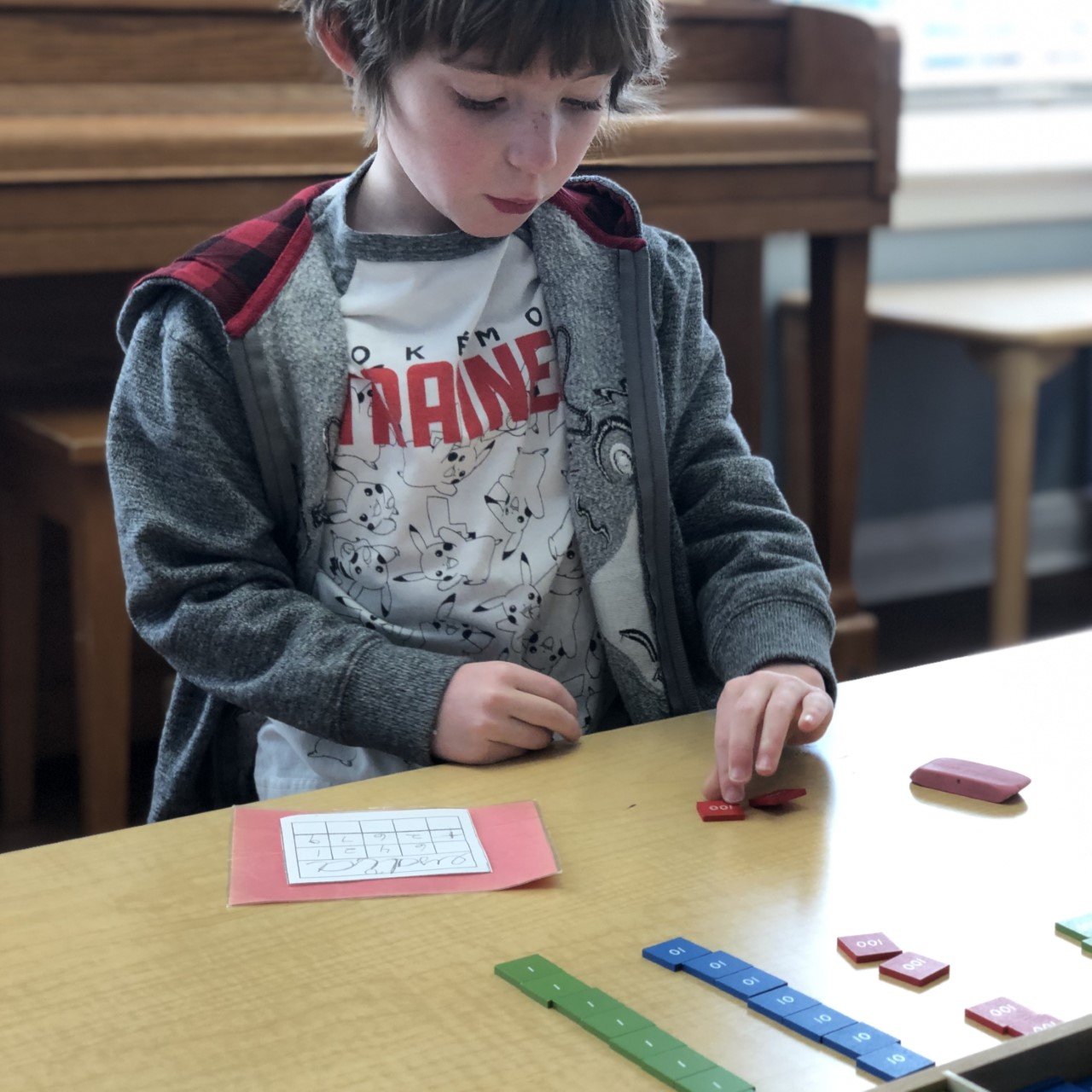 The problem combines two 4-digit numbers so the child will use her knowledge of place values. The tiles are color-coded and numbered to represent the groups of ten. As she works out the problem with tiles and comes to a solution, she writes her answer on the page, practicing her number writing and learning a new way to represent her work.After she has mastered the Addition Stamp Game, the child will have more opportunities to bridge her foundation in the concrete with her newly abstract mind with Stamp Games in the remaining three operations—subtraction, multiplication and division. The progress will be careful and deliberate, following the pace of the child's development.
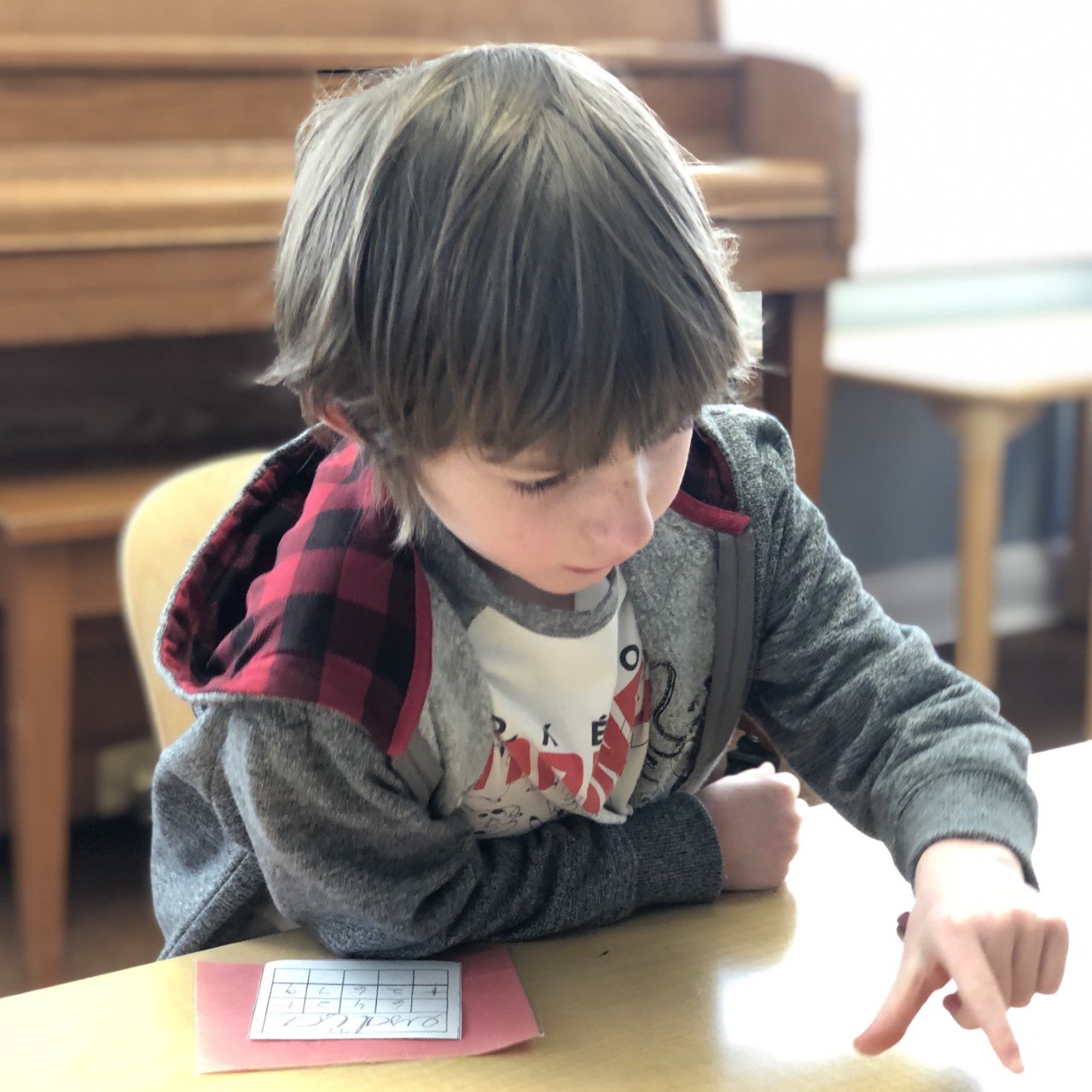 As she moves toward and through elementary, her work with math will become progressively less concrete until, ultimately, she will develop purely abstract mathematical reasoning.
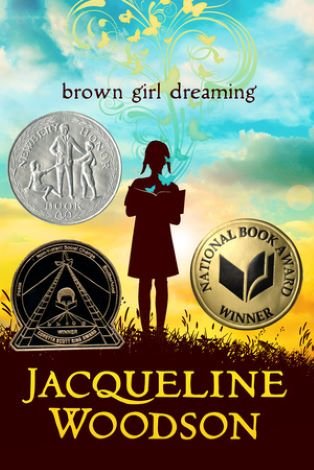 Brown Girl Dreaming is Jacqueline Woodson's beautifully written memoir. Through poems, Jacqueline tells the story of her childhood in the 1960s and 70s, moving back and forth between the Northeast and the South. Jackie's life is filled with her family's struggles—her parents' relationship falls apart, her baby brother is hospitalized, her uncle is sent to prison and her grandfather dies. But it is also filled with her family's strength—her grandparents' devotion to religion and peaceful civil rights activism. Brown Girl Dreaming weaves the stories of Jackie's family together with her own coming of age story, as she develops her own values, finds new friends and discovers her passion as a writer.
  The Crossover by Kwame Alexander is told in vivid, rhythmic verse, in the voice of 12-year-old Josh Bell. Josh and his identical twin, JB, have basketball in their blood—their father, Chuck, is a former pro basketball player—and they share a true love of the game. Growing up, they play basketball every night with Chuck. But as they enter seventh grade, their interests begin to diverge. JB has a girlfriend and spends less and less time with Josh and Chuck. Josh is lonely, jealous and angry. The brothers have a terrible fight and their relationship seems permanently broken. At the same time, Chuck's health is failing. Although he is only 39, Chuck suffers a series of heart attacks and ultimately dies. Josh is devastated but also rediscovers his need for his brother, and the two find reconciliation.
 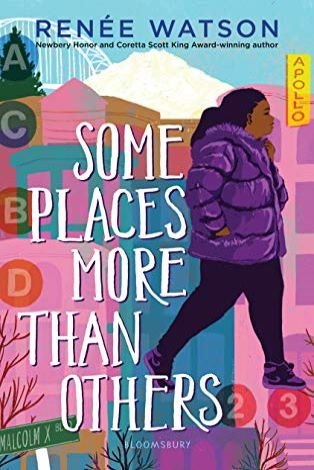 Some Places More Than Others by Renee Watson tells the story of 12-year-old Amara's trip with her father to visit his childhood home in Harlem and to make a family-history time capsule for school. She is excited to see the city, to explore the places of her father's childhood and to meet her grandfather and cousins for the first time in person. The trip is nothing like what Amara imagined—the city is crowded, loud and confusing, and the relationships in her family are strained. Amara begins to explore the sights in Harlem and to ask questions. She begins to learn more about her family's history and about the history of African-Americans in New York City. She discovers the ways she is connected to her family and to history, and she begins to help her family heal.
 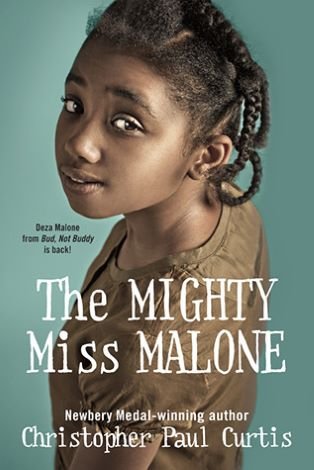 The Mighty Miss Malone by Christopher Paul Curtis is a historical novel set in Gary, Indiana during the Great Depression. It is the story of Deza Malone and her family. Deza is exceptionally smart, loves language and shines at her school in Gary, but her family cannot stay there because there is no work for her father. The family moves to Michigan to find work, and things begin to look up for a short while before everything gets worse—Deza's parents lose their jobs, they face health crises, they run out of food and clothing, they lose their home and face scathing racism. Throughout it all, Deza is also attending a new school, where she is discriminated against and told she is not as smart as she knows she is. Still, Deza—the mighty Miss Malone—and her family remain hopeful, and they continue to struggle, together, for "a place called Wonderful."
 Each year, our sixth-year students travel to New York to participate in Montessori Model United Nations (MMUN). Similar to the traditional Model UN that many of us might remember from high school, this program has been especially designed with Montessori principles in mind—it is a mixed-age experience designed to expand the students' global consciousness with a focus on cooperation rather than competition.

 Our nine delegates will represent three nations at this year's MMUN: The Republic of Angola, The Lao People's Democratic Republic and New Zealand.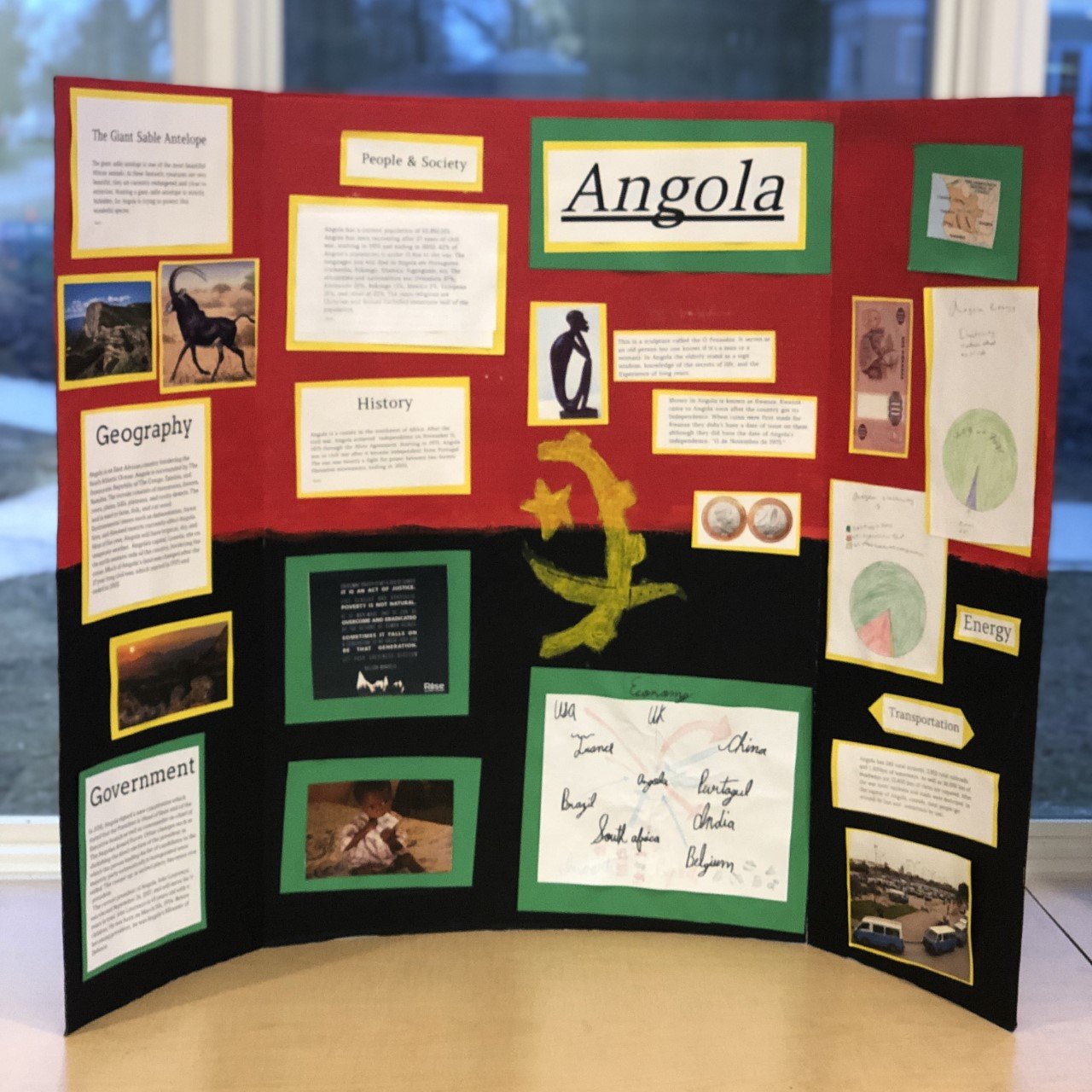
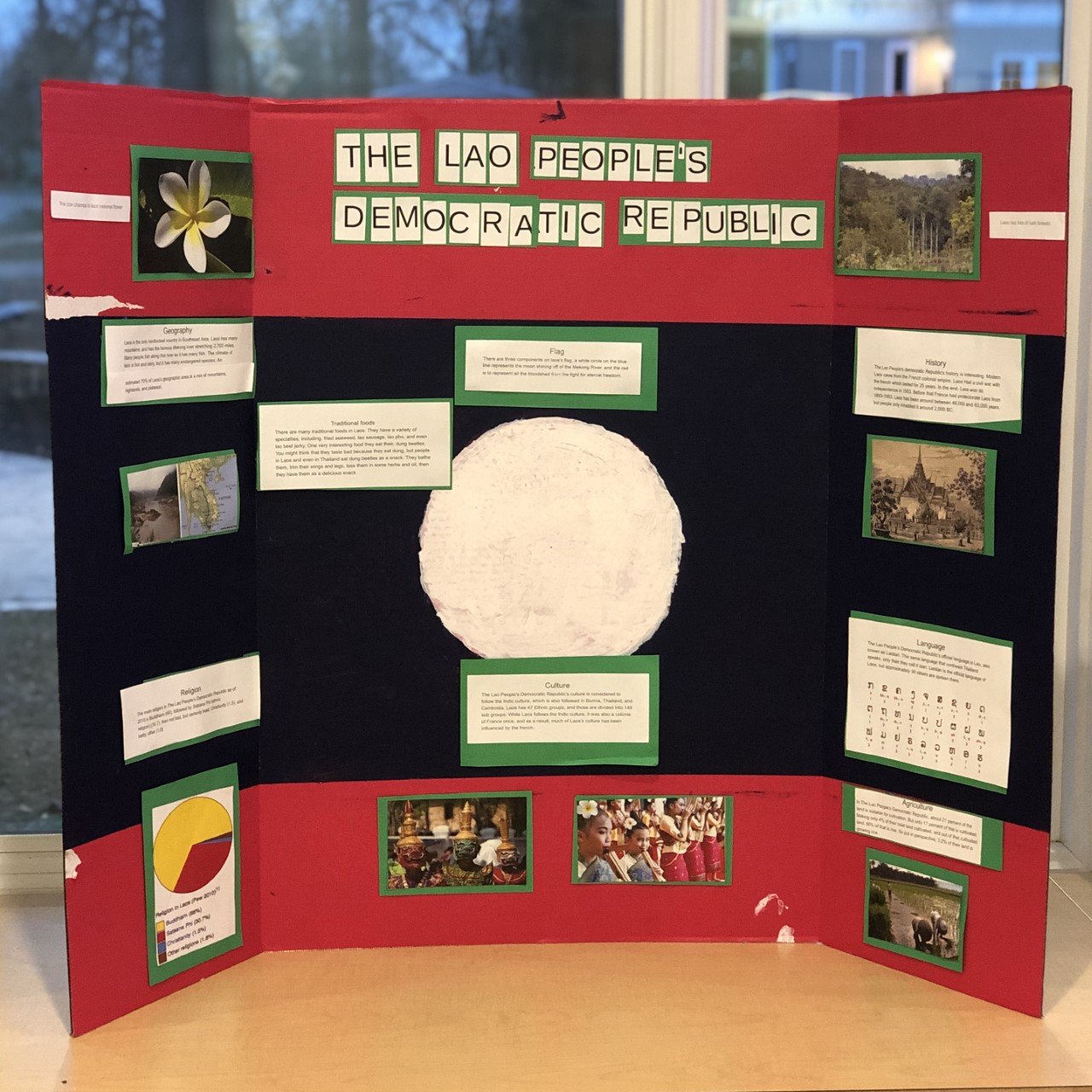
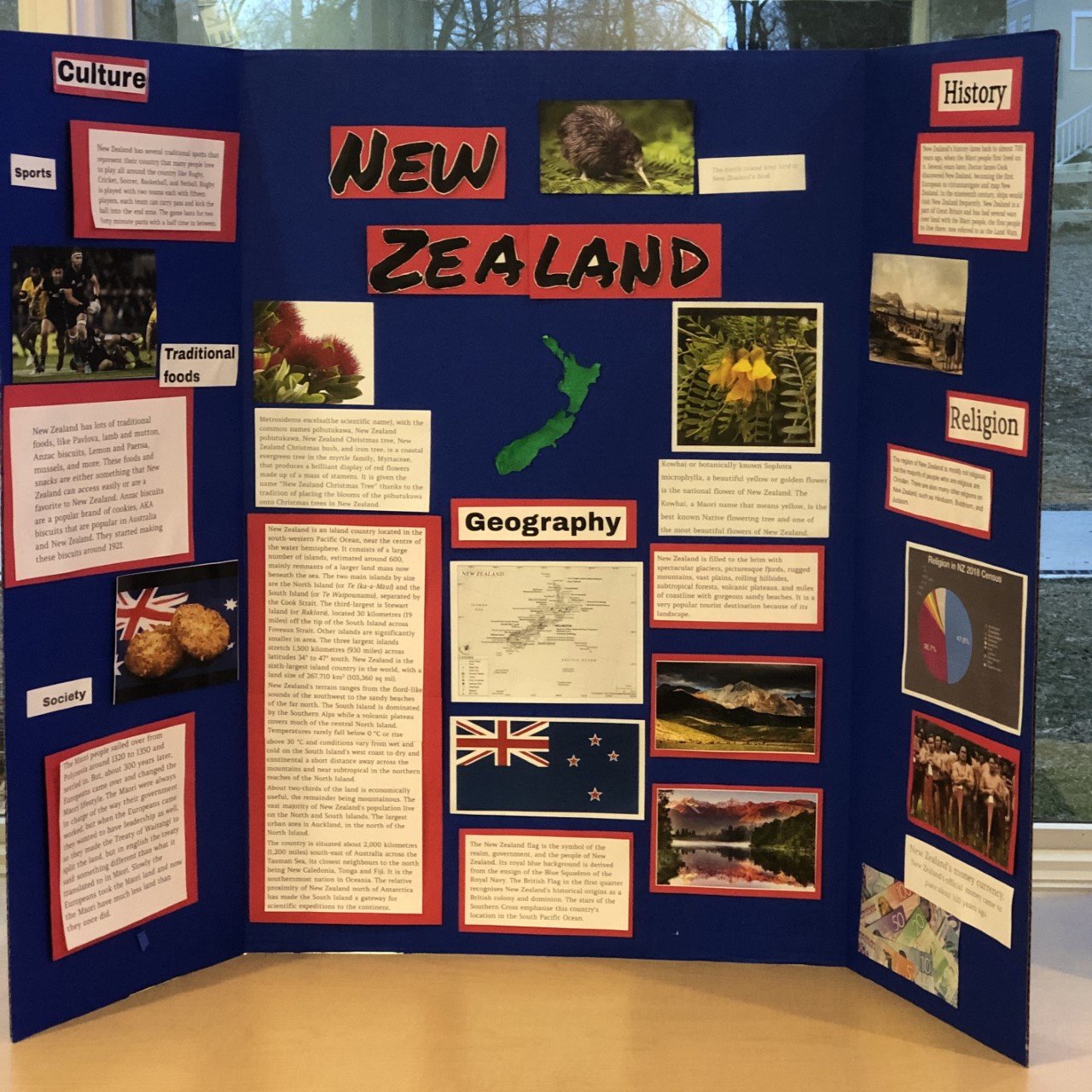 The three nations will sit on two committees: Economic and Social Counsil (ECOSOC) and Food and Agricultural Organization (FAO) and their topics will be the advancement of women, deforestation, food insecurity and illegal, unreported and unregulated fishing (IUU).For last evening's event, each delegate summarized her/his problem and proposed a solution in a carefully distilled one-minute opening speech.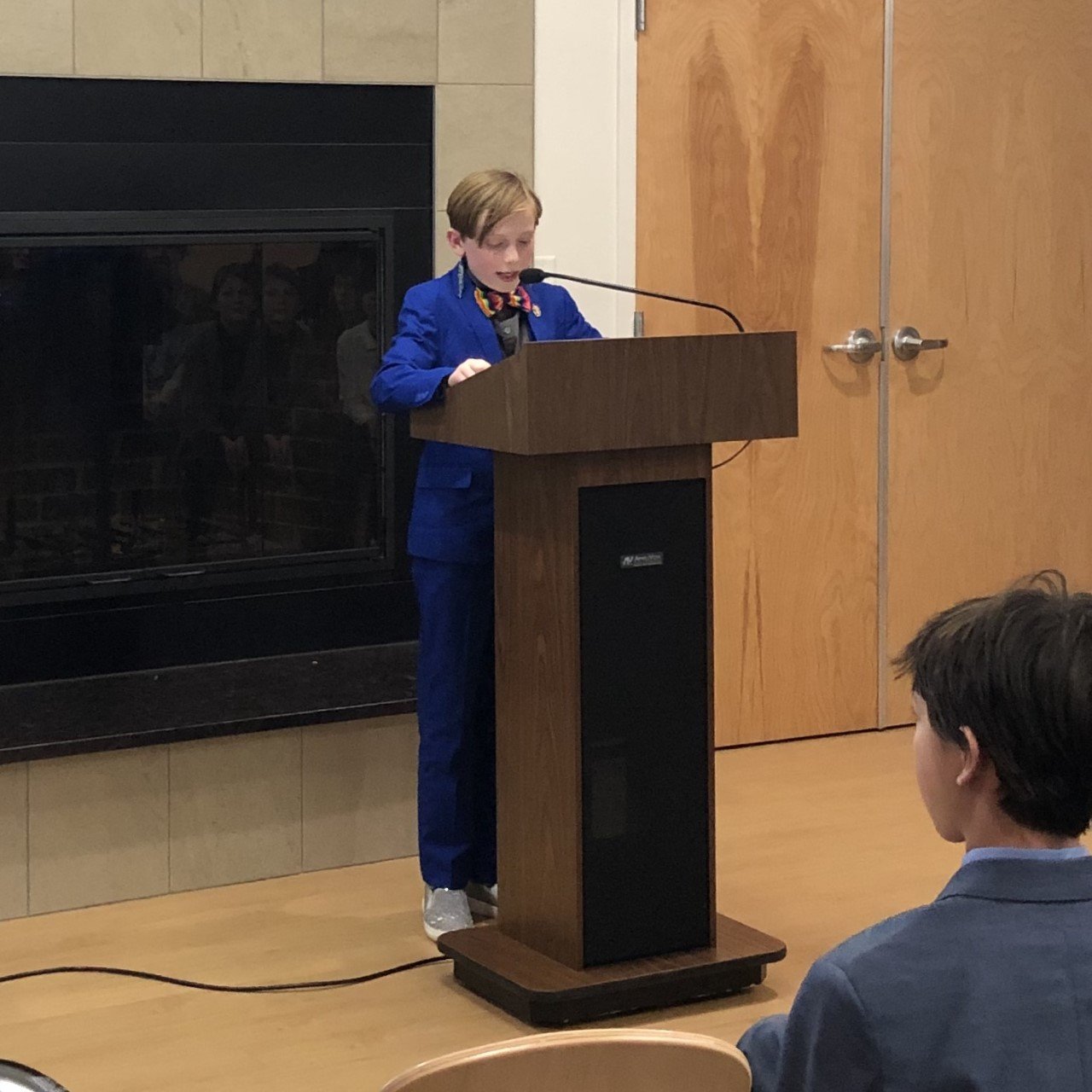
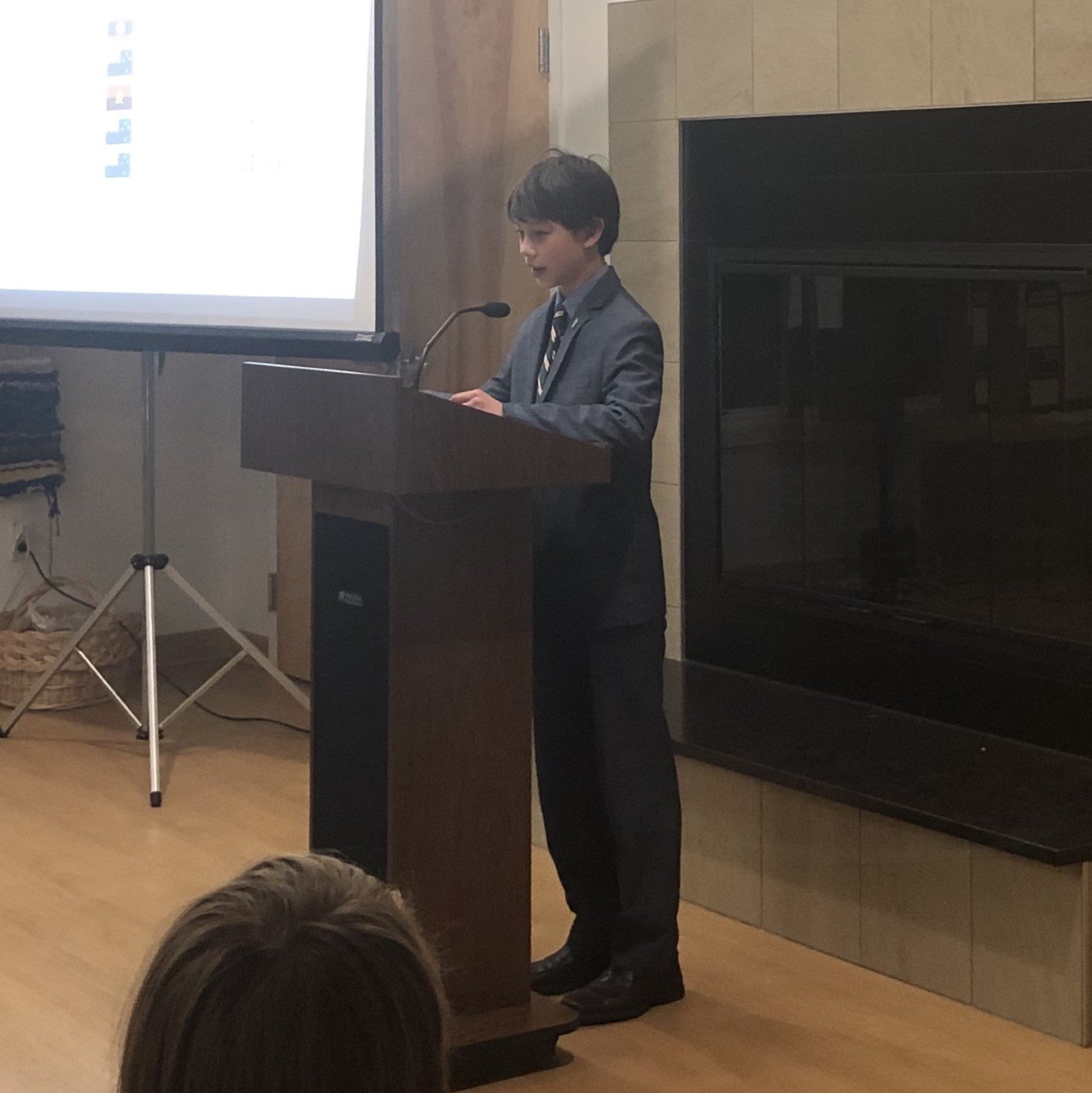
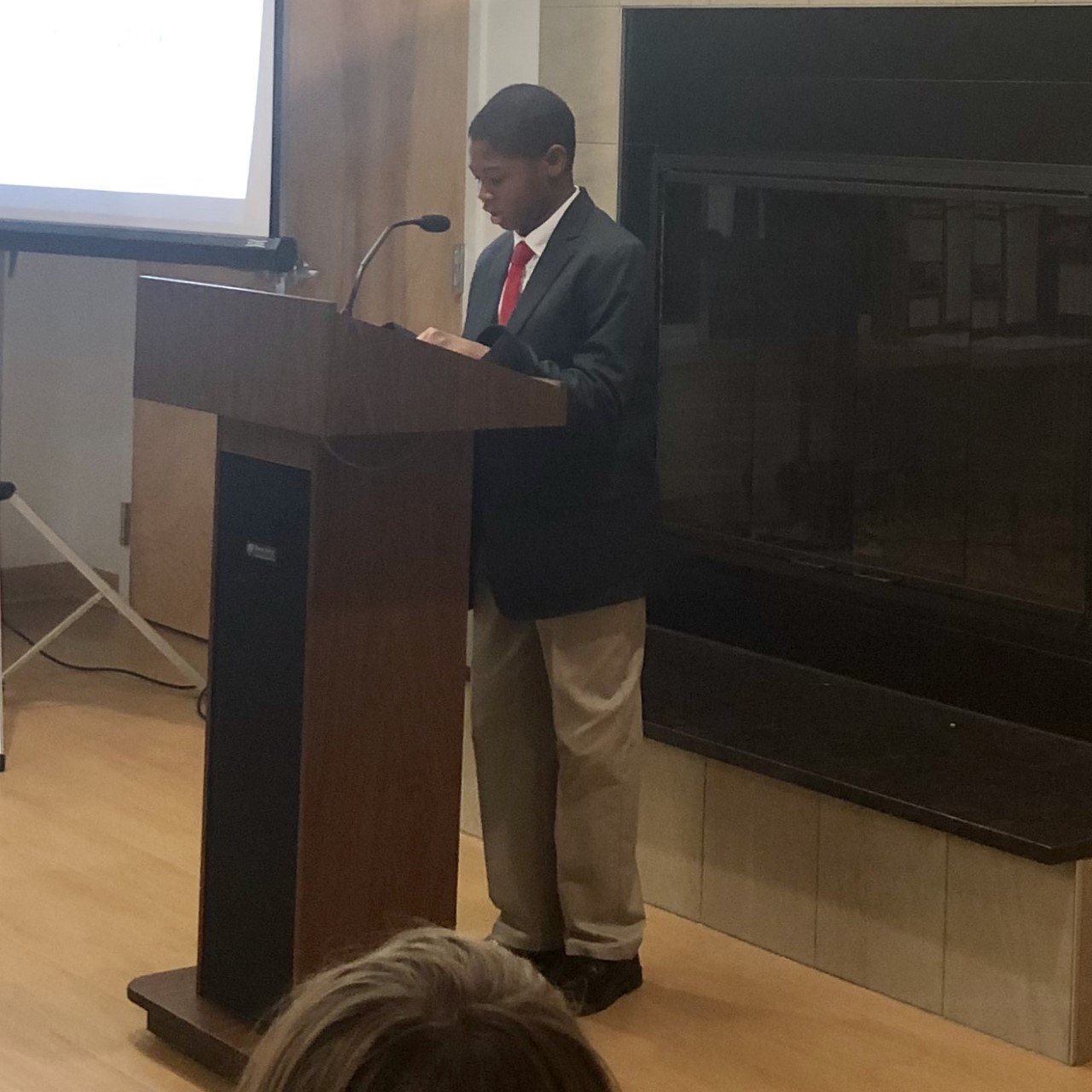

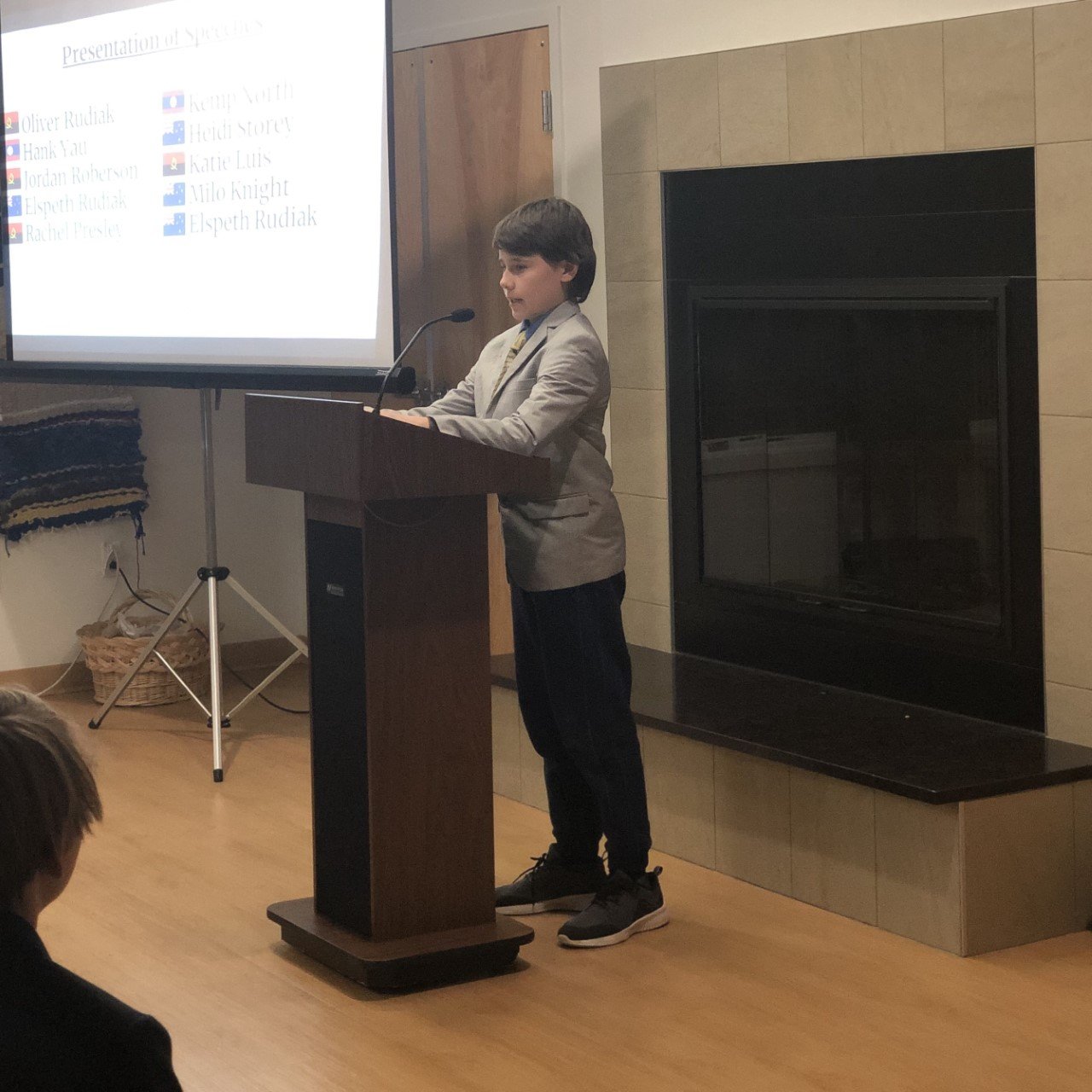
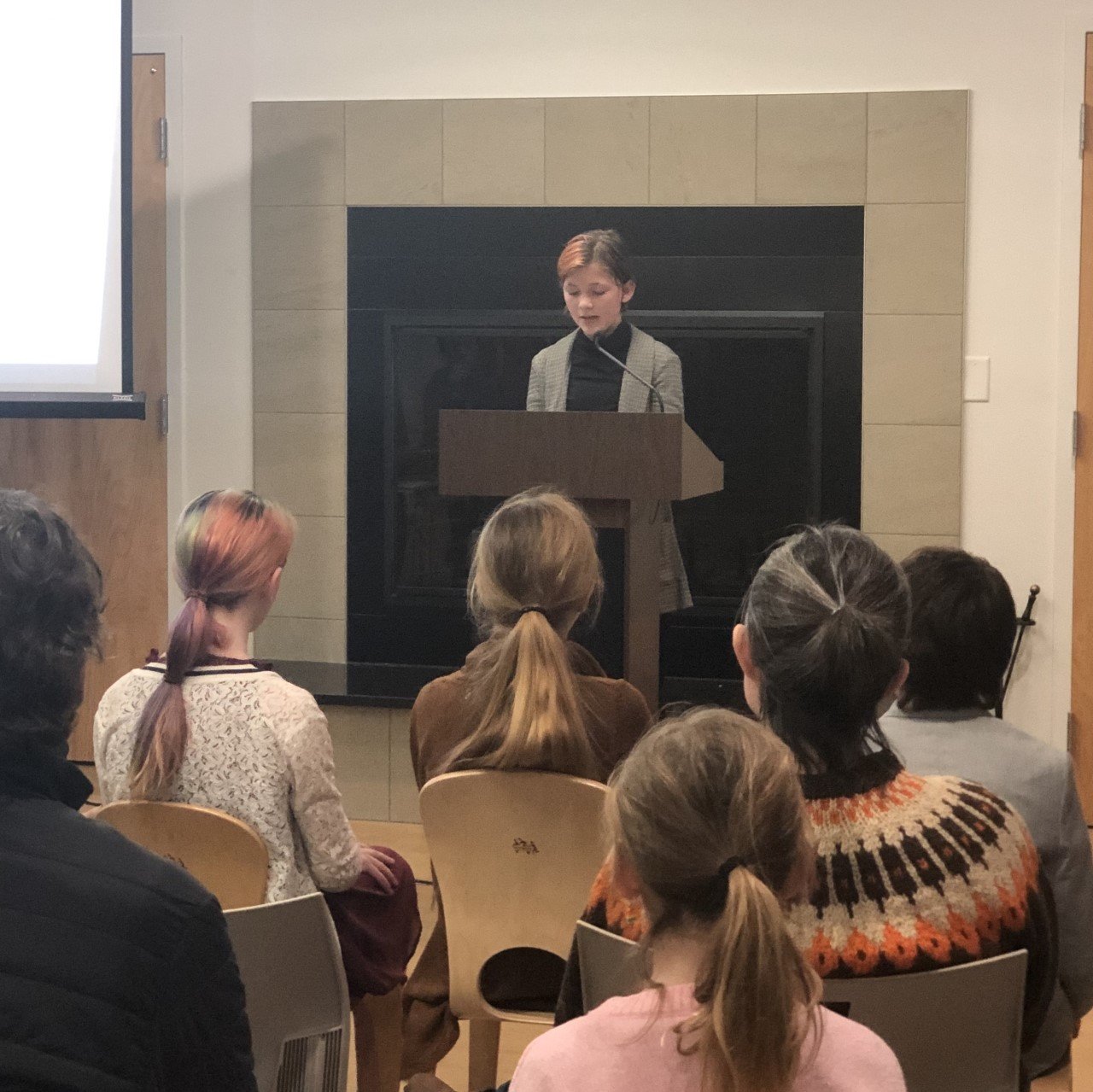
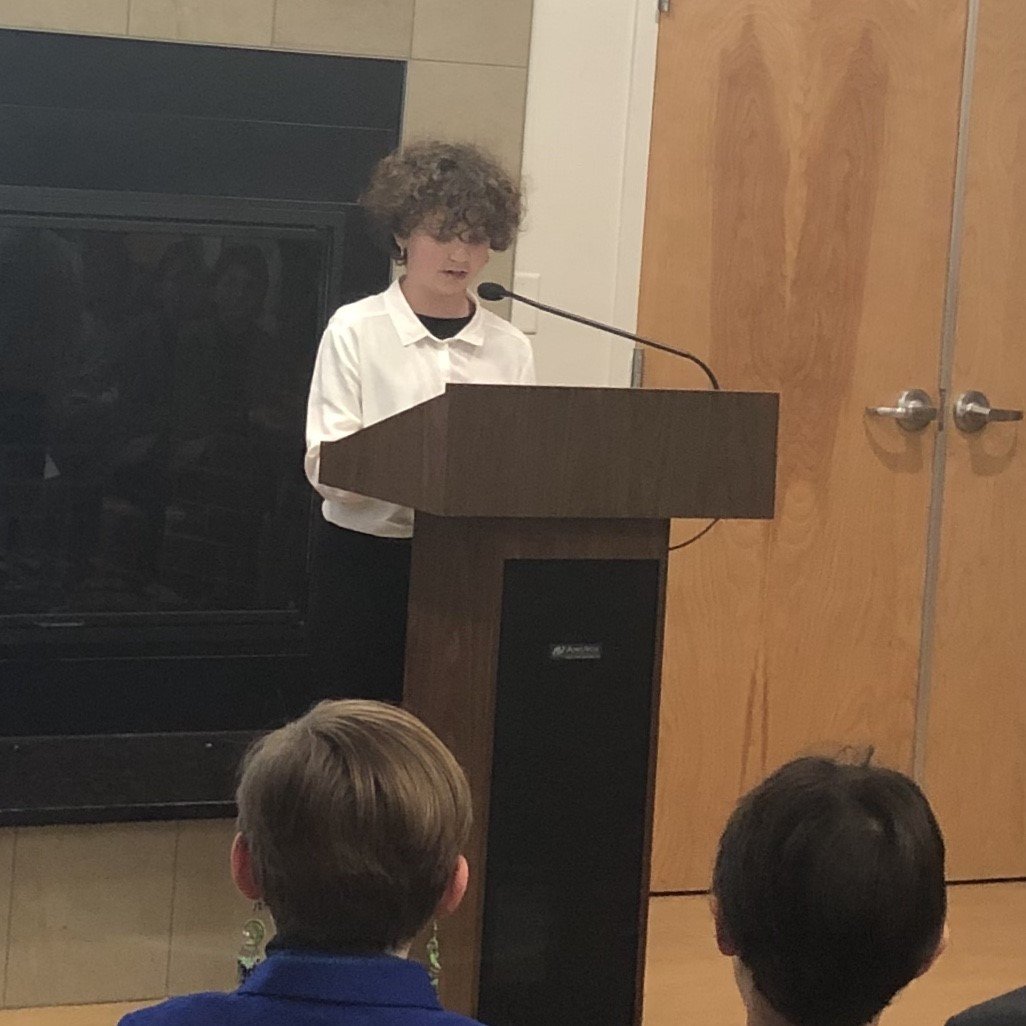
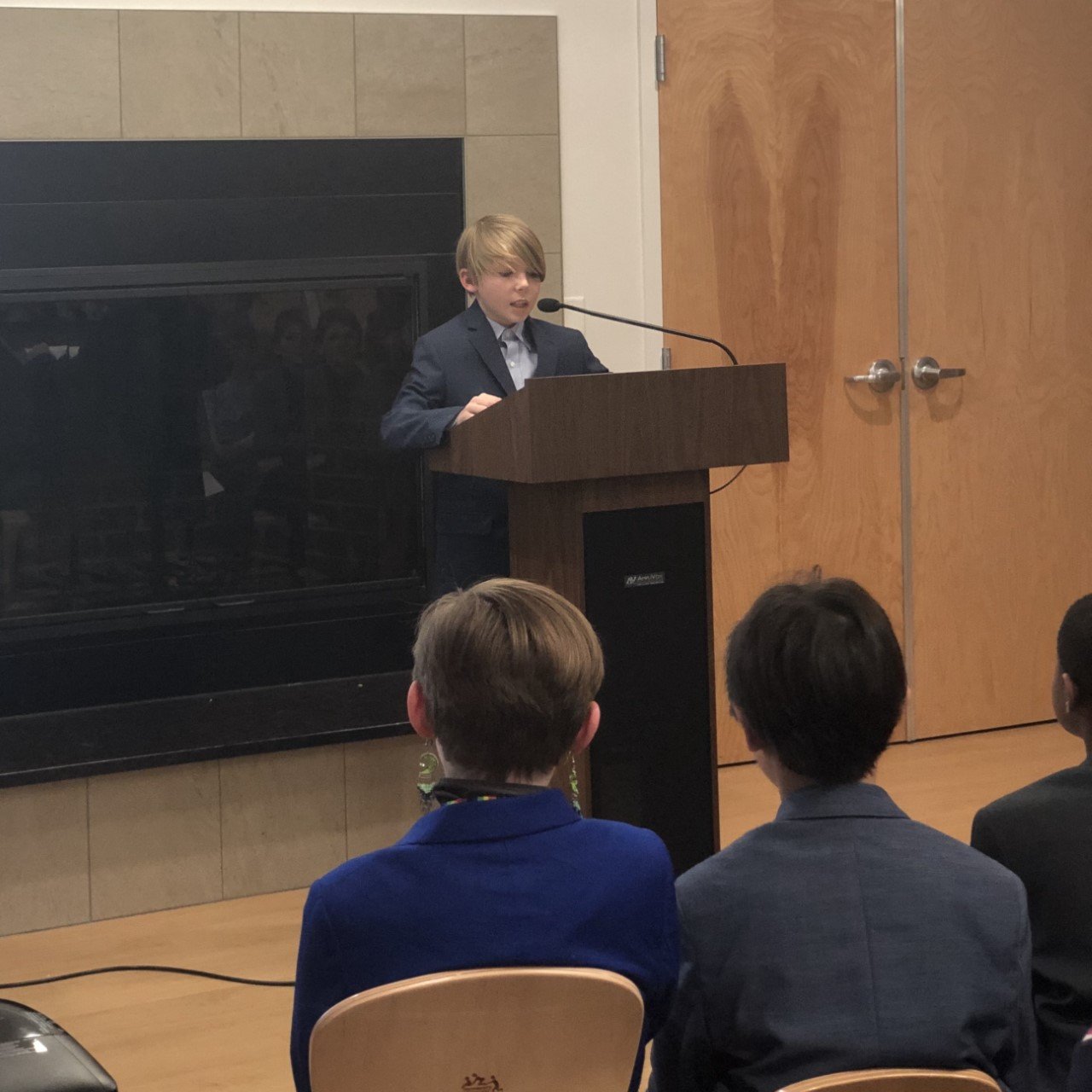
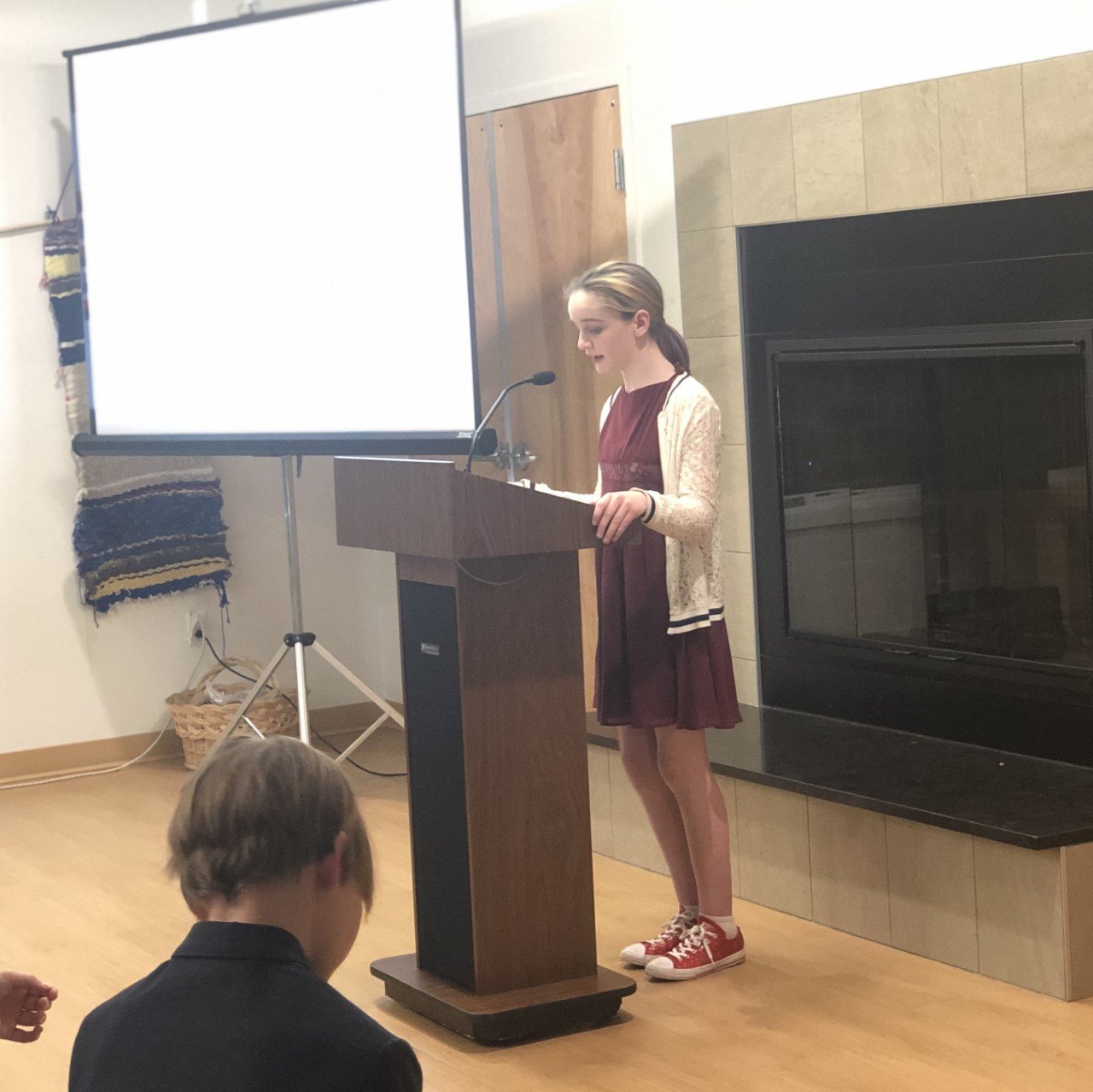 These incredible young people were commanding, poised, eloquent and inspiring, and it is an honor to witness their hard work and dedication.Thank you, delegates. Good luck (and have fun!) in New York City!
 As humans we have an impact on our world. Our actions and behaviors affect not only our own lives and spaces but the whole of nature, our planet. Let's be very honest here—it is not easy to stay mindful of the consequences of our choices; convenience and habit get in the way, and we are often tempted to take shortcuts and make decisions that save us time or extra work (I am thinking especially about the drink cups, straws, paper napkins, granola bar wrappers, plastic baggies and ketchup packets that pile up in our lives). But at Villa di Maria we are committed to making the effort, to evaluating our processes and making changes toward consciously lightening the load on our planet.And we are lucky because we have Sophie Andre, assistant in the Checkerboard Lower Elementary classroom, mother to a VdM student and advocate for the environment, on our team. Sophie keeps our staff, students and families motivated to reduce and recycle waste on campus as much as we can. She reminds us of the positive changes we've already made and inspires us to continue to find small (and big) ways to keep VdM focused on sustainability.
 As I mentioned above, Villa di Maria has a number of processes in place to reduce our environmental impact. Here's some of what we're doing:


 Many of the changes listed above are small, incremental even, but cumulatively, they make a large positive impact. We are not only producing less waste as a campus, we are modeling these practices for our students, and that makes us pretty proud.We have more work to do and, with Sophie's motivation, we will continue to work toward as-close-to-zero-waste as we can possibly get. Some of our goals include:
 It's a new year and a new opportunity to check in with our family routines, to assess what is working and what might need a little work. In this series, Better Habits in 2020, we'll take a look at the kinds of things we can do to improve our and our children's lives. Today we'll focus on something that is a challenge for many busy families: nutrition!Webster's dictionary defines "nutrition" as... no, we're not really going down that road. But it is important to note that what defines "nutrition" might vary widely, depending on who's defining it. Fat, protein, carbohydrate and sugar contents in diets are debated in popular/social media, and individuals' different health situations can call for specific dietary regulations. For the purposes of this post, we're using recommendations from Harvard's School of Public Health and defining "nutrition" as a diet of foods that contain more essential nutrients like protein, fat, carbohydrates, fiber, vitamins, minerals and water and less added sugars, salts and processing chemicals.
 Sounds pretty easy... unless you're a real person with a real family. It is so easy to grab-and-go a processed dinner filled with extra sugar and salt. Too easy for those of us with busy lives. But the real truth is, when we continue to eat easy, fast, sugary, salty (delicious) foods, we continue to deprive our bodies of all of the nutrients they need.At every age, we need a balance of foods, with a variety of nutrients for our bodies and brains to function at their best. And as I mentioned in our first
  Children's House Guide Jessie Braud explains it this way, "When I'm talking about nutrition, I always like a reminder of how we as adults feel when we aren't getting the nutrition we need. Sugary food, processed food, fatty food can affect us hard... adults will feel cranky, irritable, even nauseous as our bodies adjust to the fluctuations in blood sugar. So why would young children not feel the same? And to make matters even more challenging, they are still developing the self control that we have already acquired, and they are lacking the knowledge we possess about healthy eating. So when they are not eating well, it is an easy road to feeling out of control, towards misbehavior, to tantrums and crashes."


 The very best part of Villa di Maria is our people. Our community of families, faculty and staff is something to be proud of. In this series, We are VdM, we’ll highlight the energies, talents, humor and wisdom of some of our amazing people. Today, we have a two-fer! We'll highlight a staff member and her family. Samantha Clarke is our Community Coordinator and her son Auggie started in the Children's House this year. Read on for more about Samantha, her husband Joey and Auggie.Villa di Maria: Tell us a bit about you and your family and what brought you to VdM.Samantha: Joey and I are both from St. Louis, from the other side of 270 in Chesterfield, and, in fact, went to the same high school (hello, Parkway Central). We hardly knew each other at the time but we reconnected later in life while he was living in Los Angeles and I in Aspen, CO. After importing Joey to Colorado, we spent a good year skiing and exploring all the mountains have to offer! The next thing we knew, we were moving home to St. Louis to focus on raising our 3 year old son, Auggie. We currently live in South City with our two perfectly insane dogs, Bacon and George.While a million months pregnant, I interviewed for a job at VdM and began working in July of 2017. I had some experience working in Montessori while finishing my graduate degree and knew it was a path I wanted my family go down!
 VdM: What do you and your spouse do, career-wise?Samantha: Obviously, I currently work at VdM and have always worked in schools or education based non-profits. Joey operates a soap manufacturing company in north St. Louis city, Derrick Soap. HOWEVER, he is hoping to switch gears soon to exclusively furthering his writing career. **Proud spouse alert!** After finishing undergrad at Wash U, he left for LA to fulfill his dream of being a screen writer which is a fairly competitive, difficult thing to do. After nearly a decade of relentless pursuit, he caught his "break" winning a fellowship through the Academy of Motion Picture Arts and Sciences for an original screenplay he wrote, "Miles." Since then, he has acquired a manager and worked on several scripts, both original and adapted. We hope to see "Miles" in theaters (or somewhere) soon! Stay tuned...VdM: What is your favorite thing to do as a family on the weekend?Samantha:We LOVE sleeping in a bit and sitting around in PJs watching Premiere League soccer on Saturday mornings. We also enjoy eating ice cream at Clementine's and heading to the zoo whenever we can!
 VdM: A question specifically for Auggie: What's your favorite animal and why?Auggie: "mmmmm Bacon!" (It really is his favorite food, but also our dog. Not entirely sure which he is referring to!)
 Thank you, Clarke family, for the photos and for being a part of Villa di Maria!
 Throughout February, St. Louisans have many opportunities to honor and celebrate Frederick Douglass and many other African Americans who've played central roles in U.S. history with events at libraries, museums and other venues in our region. Check back here each Monday this month for a list of those events for the coming week.


 Thank you to Shannon O'Connell (one of the lucky staff members who gets to accompany the field trips) for the photos!
 The Villa di Maria Trivia Night is coming soon! VdM friends and family will gather on February 29 for rounds of very challenging rounds of trivia and a silent auction to benefit the Fund for Villa di Maria.In the spirit of leap year, the theme of the evening will be "One Extra Day"—parents, staff and friends will dress up their tables and themselves to represent their ideal extra day. It could be sleeping, reading, going to the beach... the options are endless. And while we can't wait to see everyone's ideal extra day unfold on February 29, we are just as excited to watch as preparations for the event get underway.Our incredible team of parent volunteers, along with Community Coordinator Samantha Clarke, has been gathering in the elementary building to hash out the details of the event. The Villa Volunteers have been working hard to find the venue, come up with the trivia questions and solicit donations for the silent auction.
 Some of their children are also in attendance, having their own meeting over pizza and juice.
 Some of our students are also working hard behind the scenes. With the help of another parent volunteer, sound designer, producer and videographer


 I won't tell you what the questions are, but I will say Trivia Night participants should brush up on their geography, geometry, algebra and botany.If you'd like to know more about what's in store for the participants of Trivia Night, follow our instagram! On Mondays and Wednesdays, we'll drop hints about the questions and silent auction items.