We are VdM: Upper Elementary Guide Katie Nelson

 The very best part of Villa di Maria is our people. Our community of families, faculty and staff is something to be proud of. In this series, We are VdM, we’ll highlight the energies, talents, humor and wisdom of some of our amazing people. Today, we’ll feature Katie Nelson. Katie joined Ms. Rebecca as co-Guide in Upper Elementary at the start of this year. Katie is a St. Louis native and holds a Master's degree in secondary English education and an AMI diploma at the elementary level. She has served as a Guide at Campbell Montessori and City Garden. Katie brings kindness, playfulness and a happy energy to VdM. Welcome, Katie—we are thrilled to have you here!
Ms. Katie is nice and she understands her students; she gives us great lessons and describes them well. She is overall a great teacher; I am very glad to have her in the classroom.fourth-year Upper Elementary student (who very recently received a lesson on the semicolon)
Villa di Maria: How did you first find Montessori?Katie: After receiving my Master's in Education and having a disheartening student-teaching experience, my career took another path. While on that path, I met and worked with one of the sons of the head of school (also, uncle of Hank Yau), at Campbell Montessori. After one visit, I was hooked. I accepted the role of Assistant Guide at Campbell, and after my first school year there, began my Montessori training.VdM: What is your favorite thing to do on the weekend?Katie: I enjoy spontaneous lunches, dinners, walks, or shows with friends. A great concert always makes for a lovely weekend! VdM: What was your favorite book as a child, and why?Katie: Oh gosh, favorite book??? “Favorites” questions are always tough for me....As a child, I loved reading so very much, it is difficult to come up with a favorite! I was always excited for book fairs and frequently had my nose in a book. One that stands out, as a very young reader, is Andy Bear. Andy was a polar bear cub who was raised at the zoo. I recall being so drawn to the story and felt attached, in a sense, to the bear cub. And the pictures of the baby bear were sooooooo adorable! That book stands out the most.VdM: When you were a child, what did you want to be when you grew up?Katie: Gosh, as a child, and even as an adult, I think I’ve desired to be everything under the sun, at one point or another, from architect to NICU nurse to teacher! Wanting to be a teacher has been a constant, however, while other professional desires were more fleeting. My mother once told me, when I was in my 20s and going back to school once again, that she figured I’d be a student for life, because of my absolute love of and for learning. Teaching allows me that pleasure, and I think that’s what childhood me envisioned most consistently.VdM: What is your favorite quote/moment so far from/with one of your students?Katie: I was gathering three sixth-year gals for a lesson. One of them clearly did not seem pleased to be called for a lesson at that time, and begrudgingly joined us. I presented fraction division with the materials, and by the end of the lesson, the gals were all three giddily expressing how much fun the work was! They went so far as to abstract a difficult division problem without the material. I loved sharing that experience with them. There have been countless memorable quotes, phrases, and moments; I could go on and on!Katie brings kindness, playfulness and a happy energy to VdM. Welcome, Katie—we are thrilled to have you here!
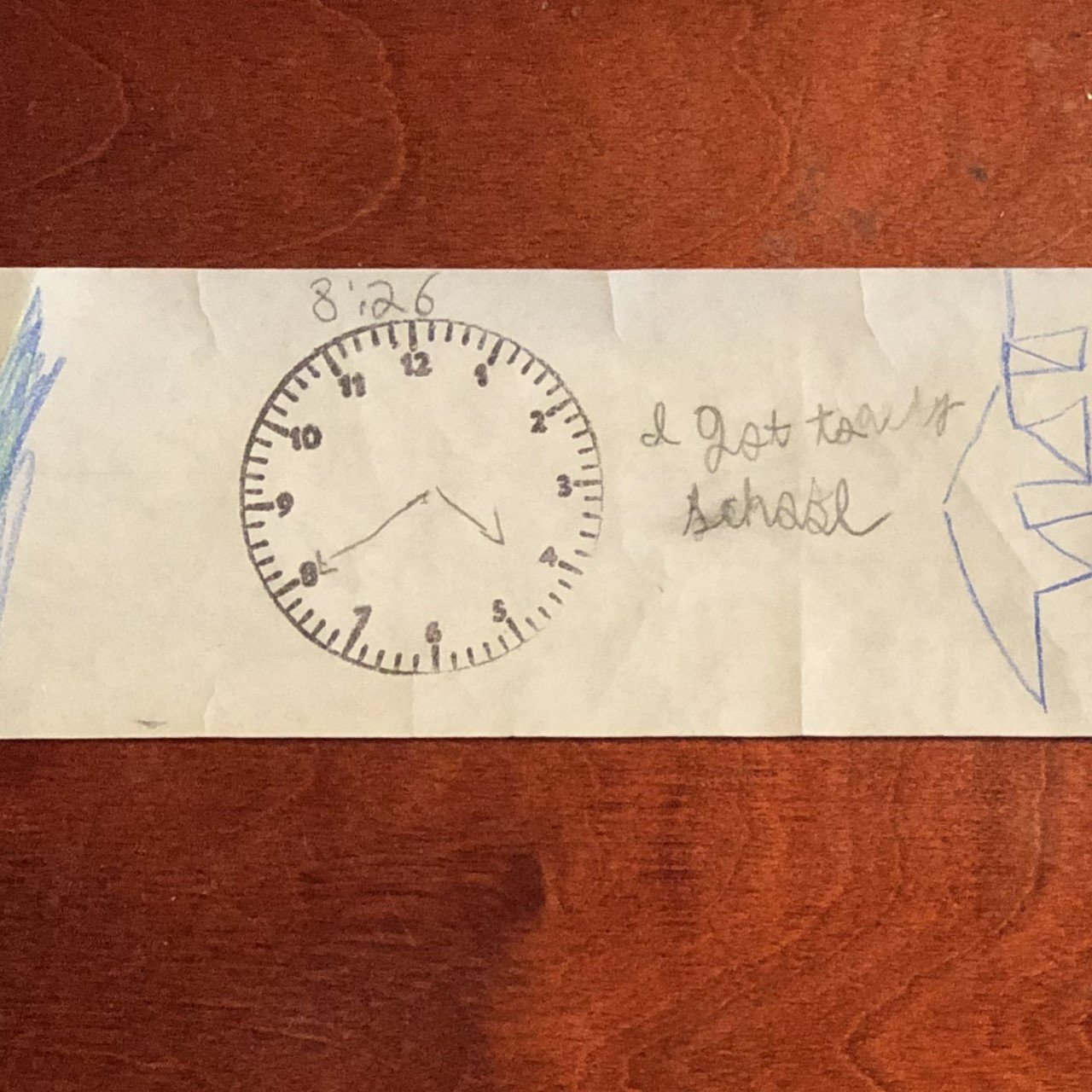 Everyone is tardy sometimes. The occasional unexpected rough morning, spilled smoothie, flat tire or forgotten lunch box—these will happen to each of us. It's when those mornings go from occasional and unexpected to frequent and routine that tardiness becomes... well, a problem.It's easy to list the reasons punctuality is essential to the work- or school-day in general, but let's talk about why it is especially important in the Montessori classrooms.
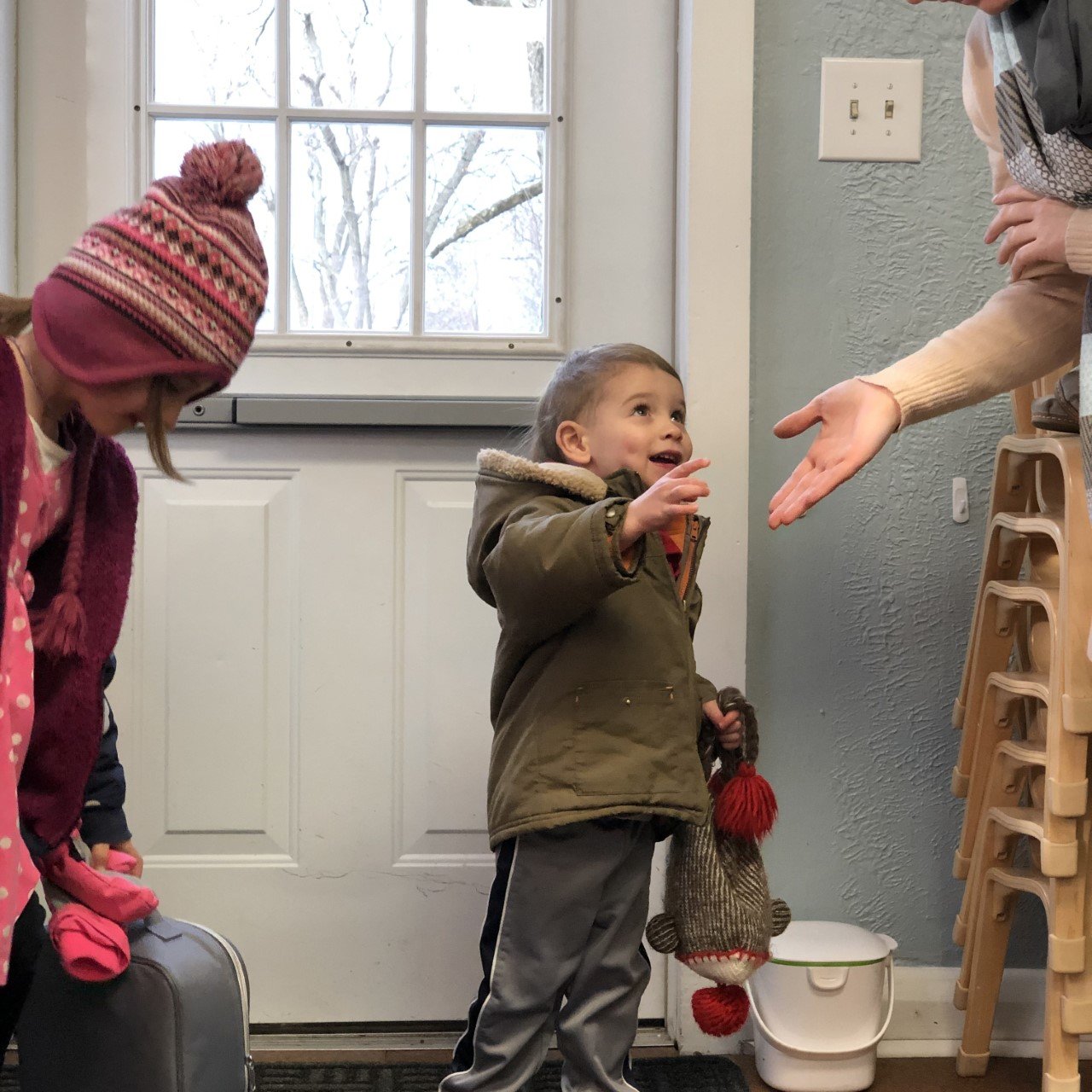
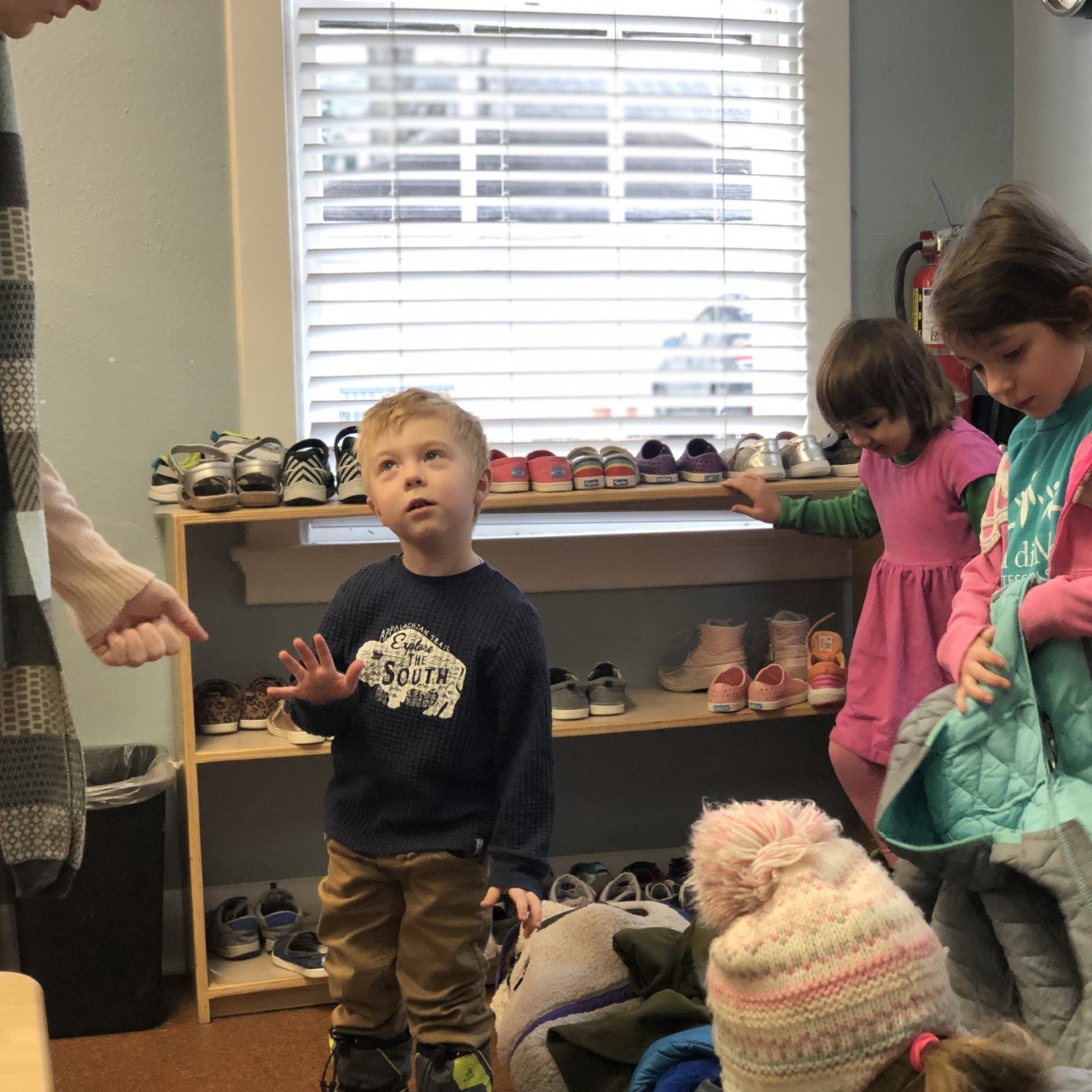 Another benefit of arriving on time is the chance the children have to connect with the adults and other children in their environment. During the window of time dedicated to arrival, each child is met at the door by the guide with a handshake and a warm greeting. They have the chance to personally connect with an anecdote or silly joke. As they chat with the guide and with the other children arriving, they begin their day with the renewed sense of community.
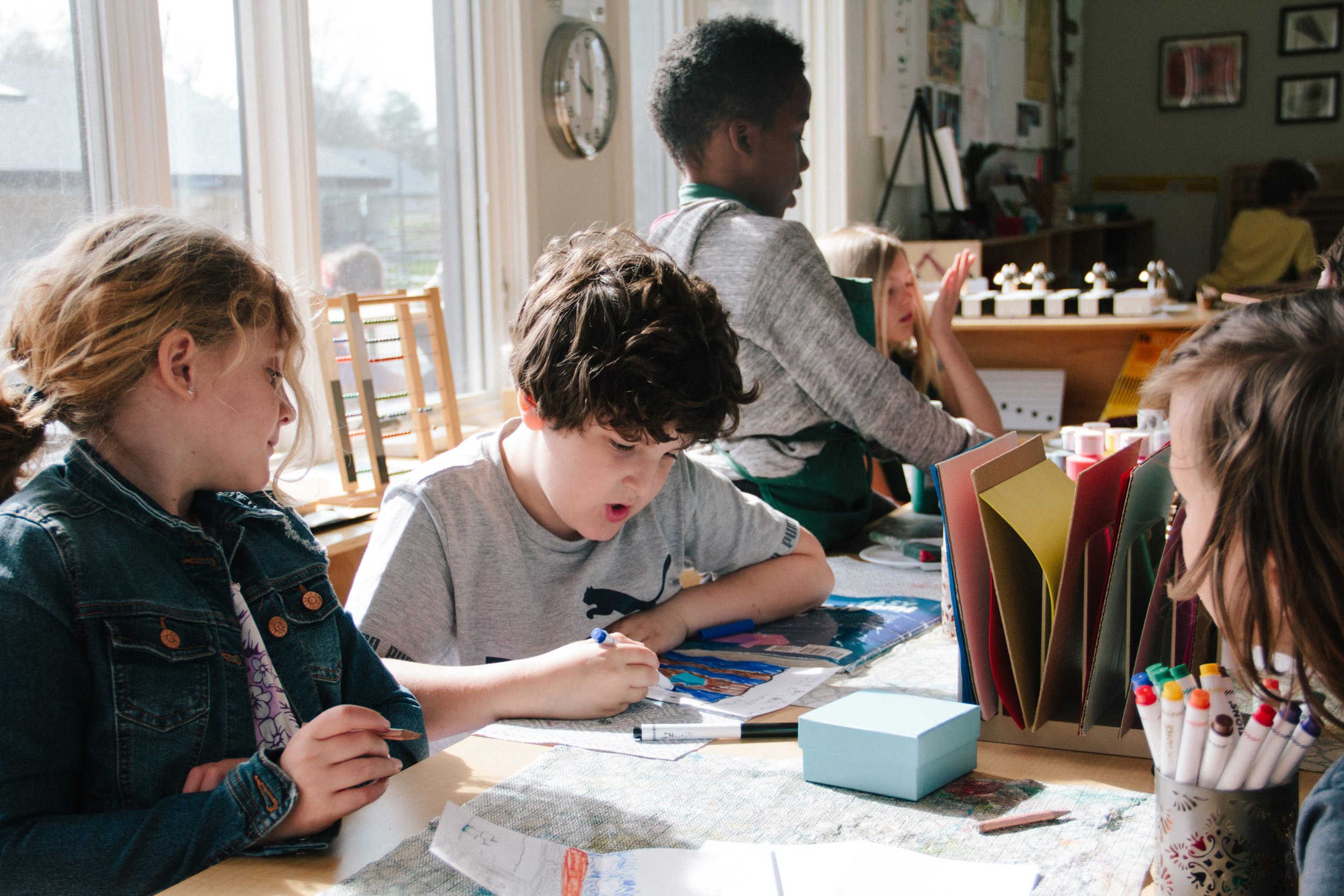 One of the beautiful things that Montessori offers to children is a three-hour uninterrupted morning work cycle. In both the Children's House and the Elementary, the children have from the start of the work day, 8:30 a.m. to the start of lunch, 11:30 a.m. to explore their lessons, dive into their work without unscheduled interruptions. This affords them the opportunities to concentrate, to self-direct and to discover the depths of their own curiosity and intelligence. The three-hour work cycle is bedrock to their Montessori education. And when they arrive on time, they are able to take full advantage of it.
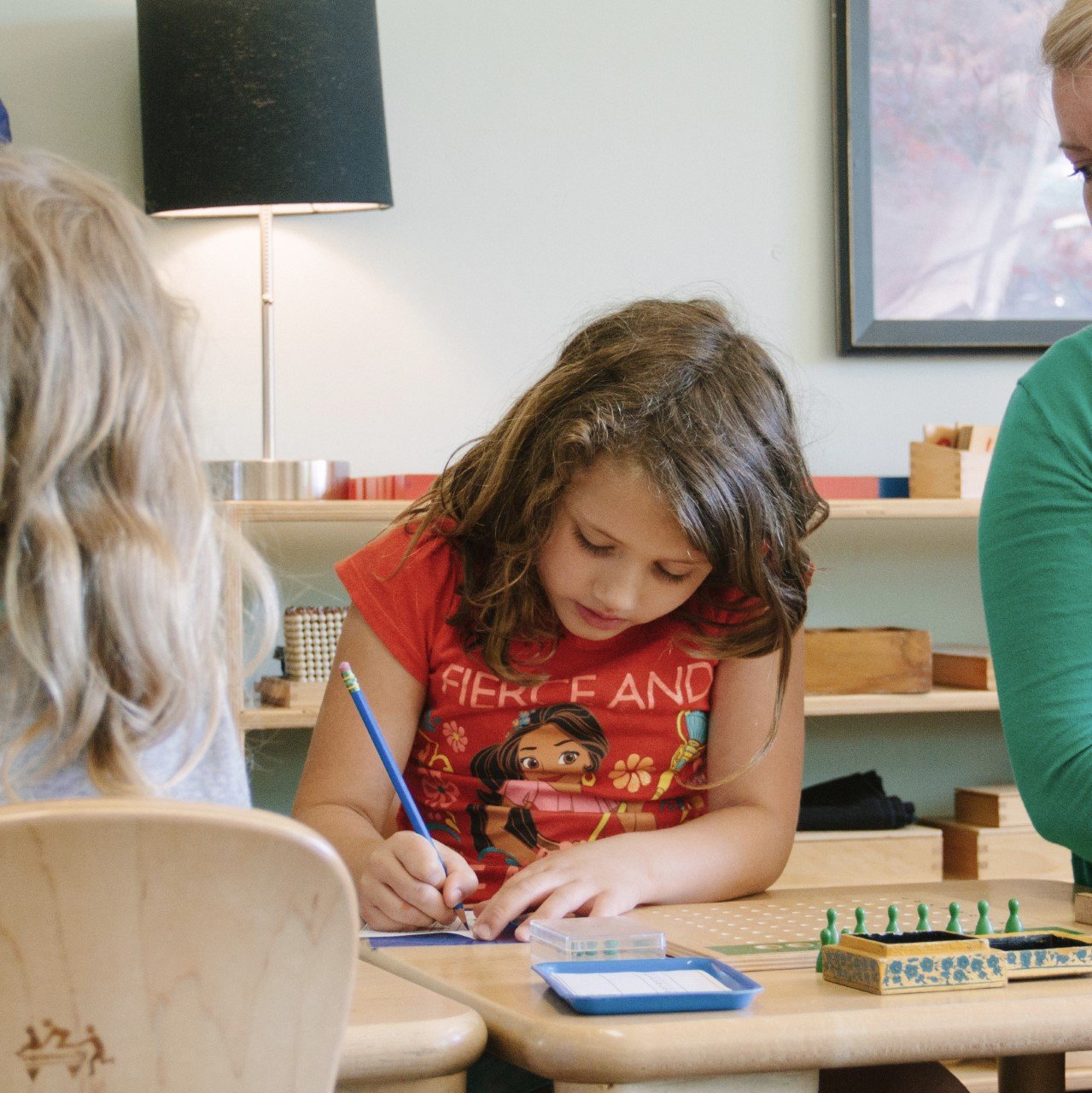 So now that we've looked at all of the beautiful things that happen at the start of the work-day, and why they are so very important to the Montessori classroom, let's drive it on home...
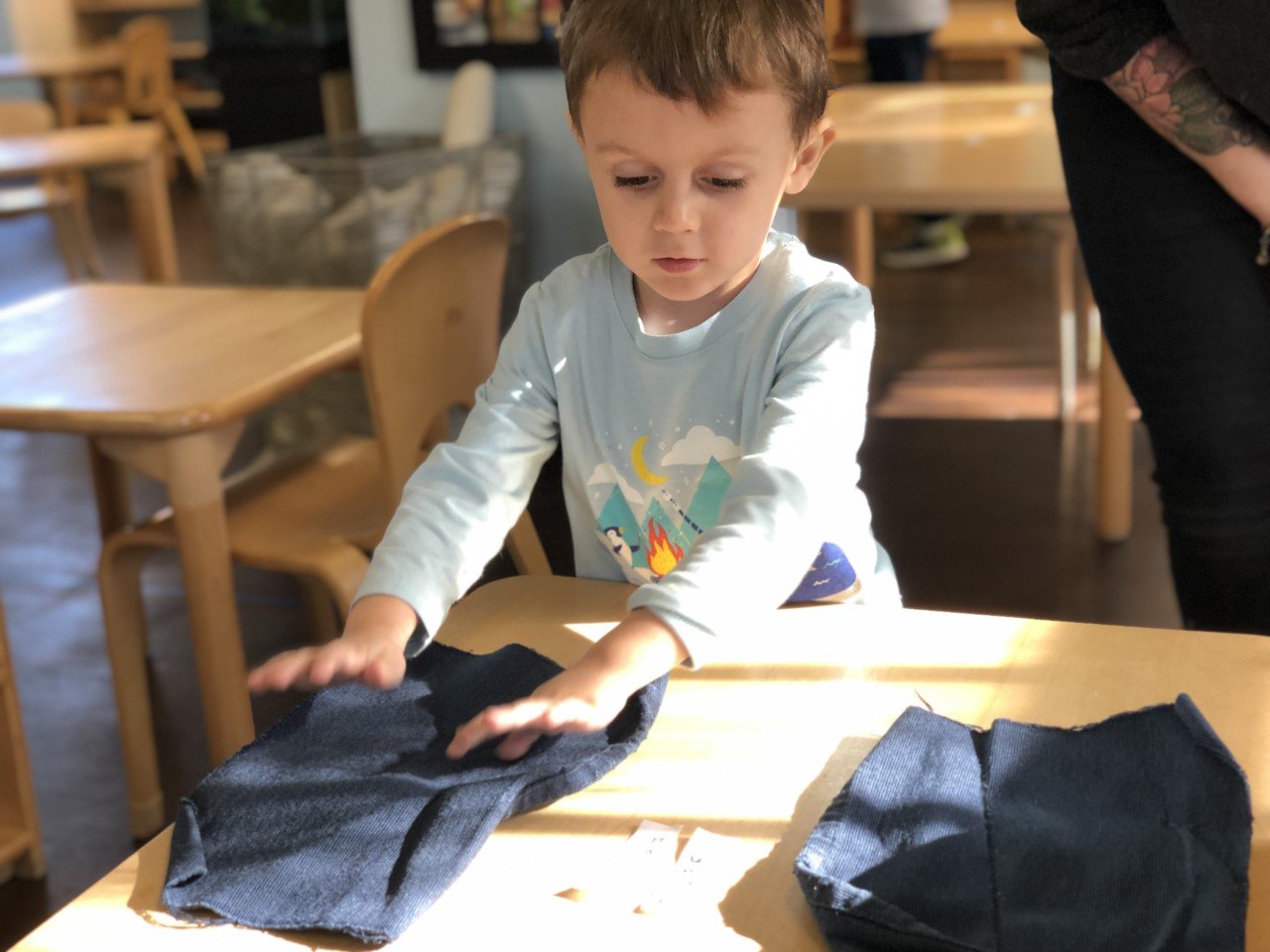 One of the greatest joys of working at Villa di Maria is watching our children grow. It's not just that they get taller, know more words and lose their first teeth (although all of that is pretty great); it's watching them develop, learn and expand as people. They are becoming who they are right before our eyes.Part of who they are is a person in a community. That's true of each of us—as humans, we are inherently social animals, and our communities are parts of our identities. And for the children at Villa di Maria, their community is the Children's House.
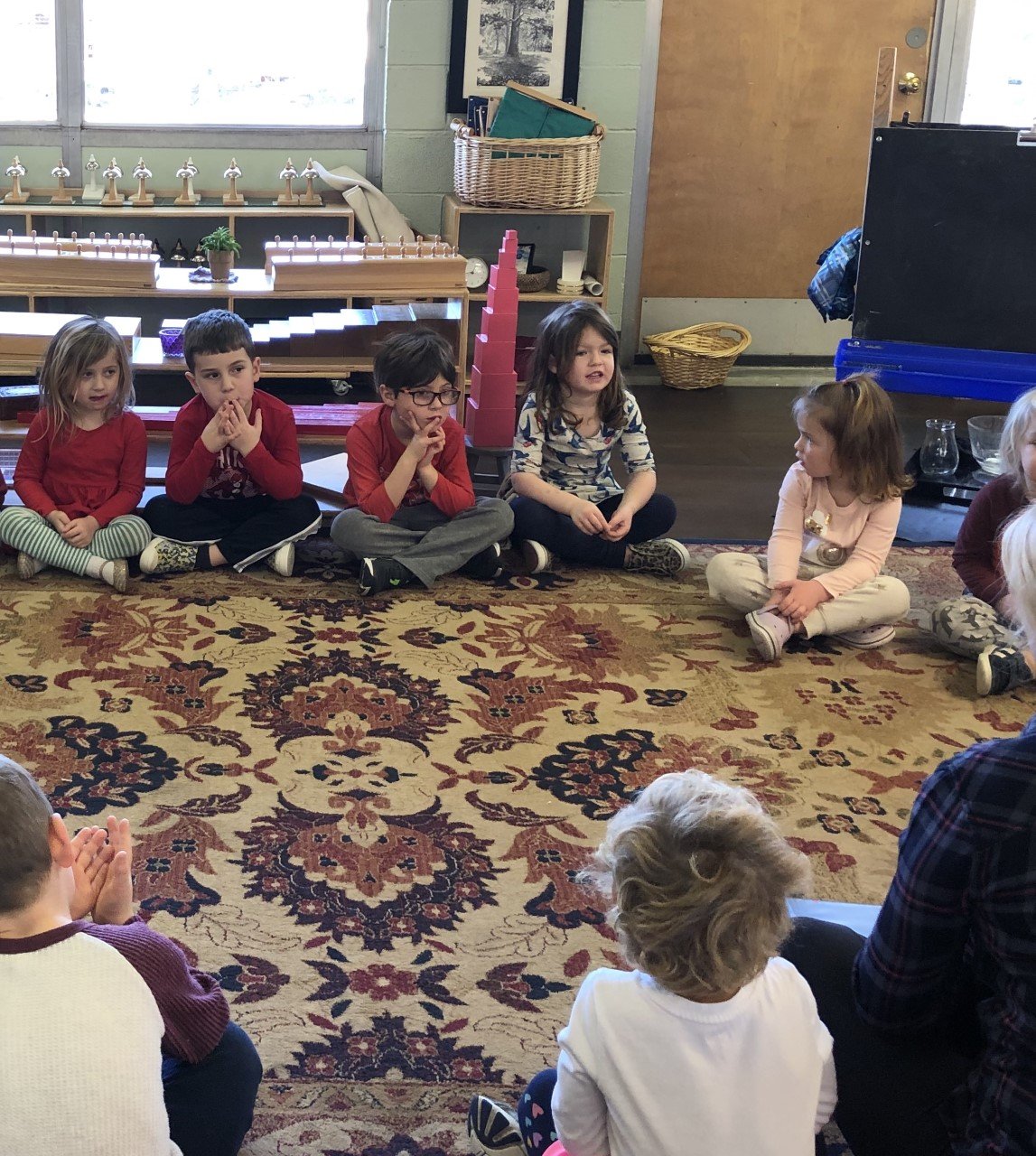 During their three or more years in the Children's House, children are free and encouraged to try on many different roles as they practice and expand their social skills.They have the opportunity to serve their communities with classroom contributions and community jobs.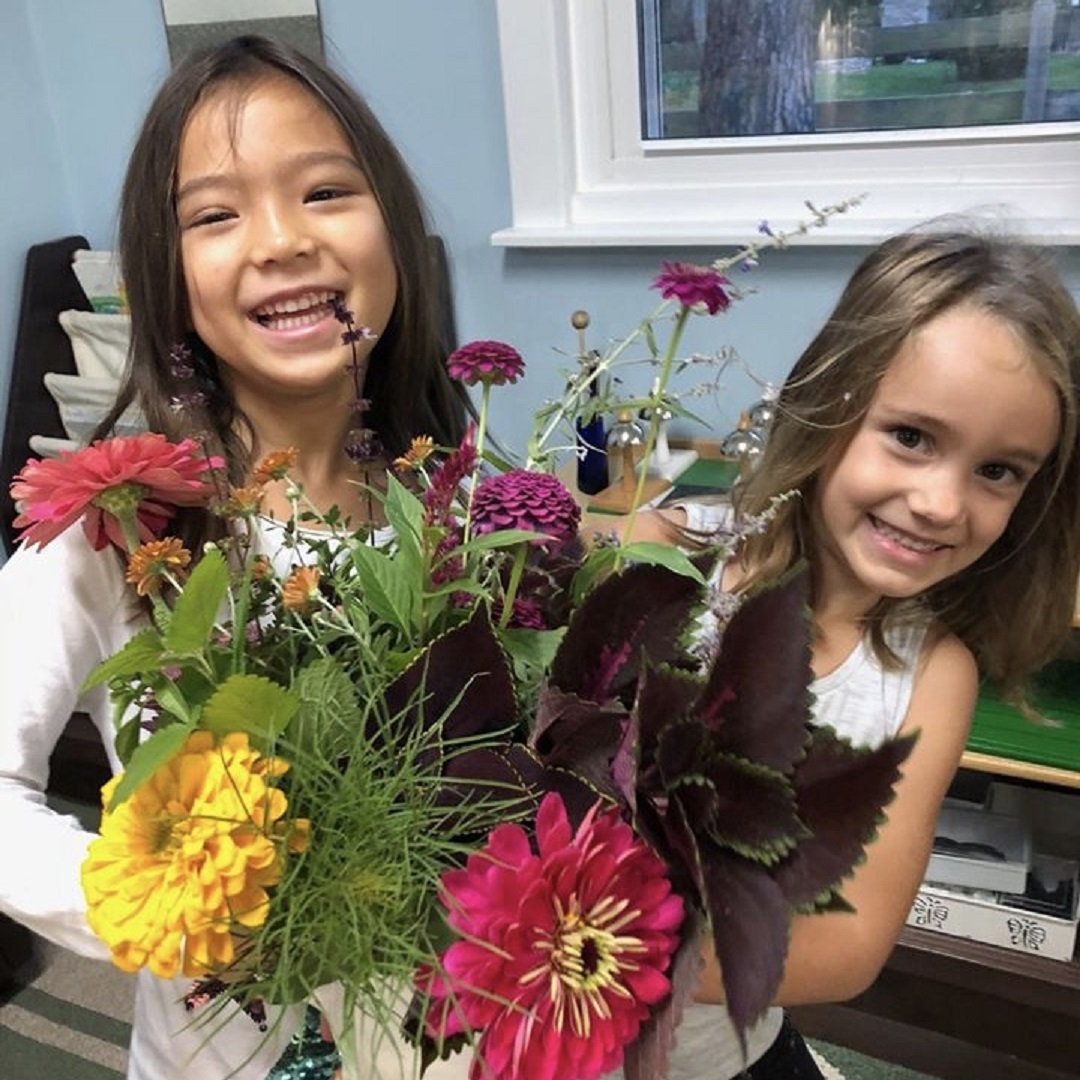

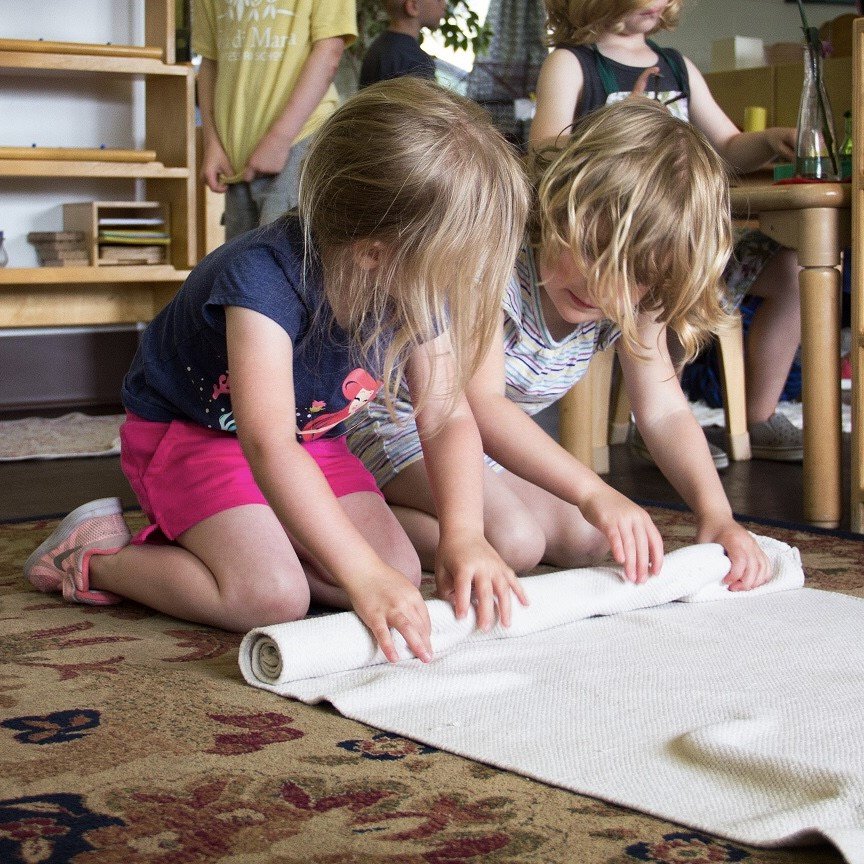 They sit down together for snack, lunch and sometimes holiday celebrations!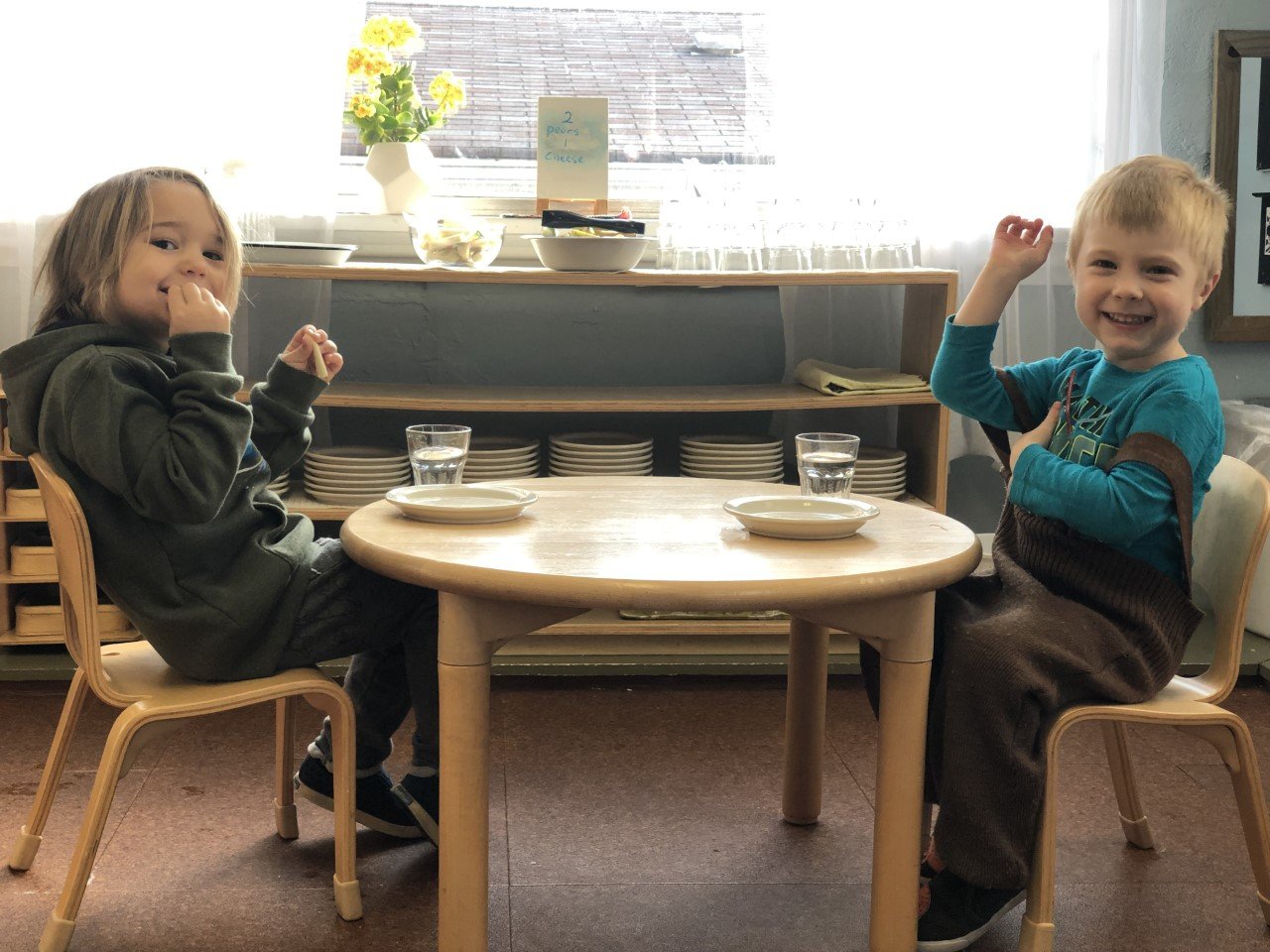
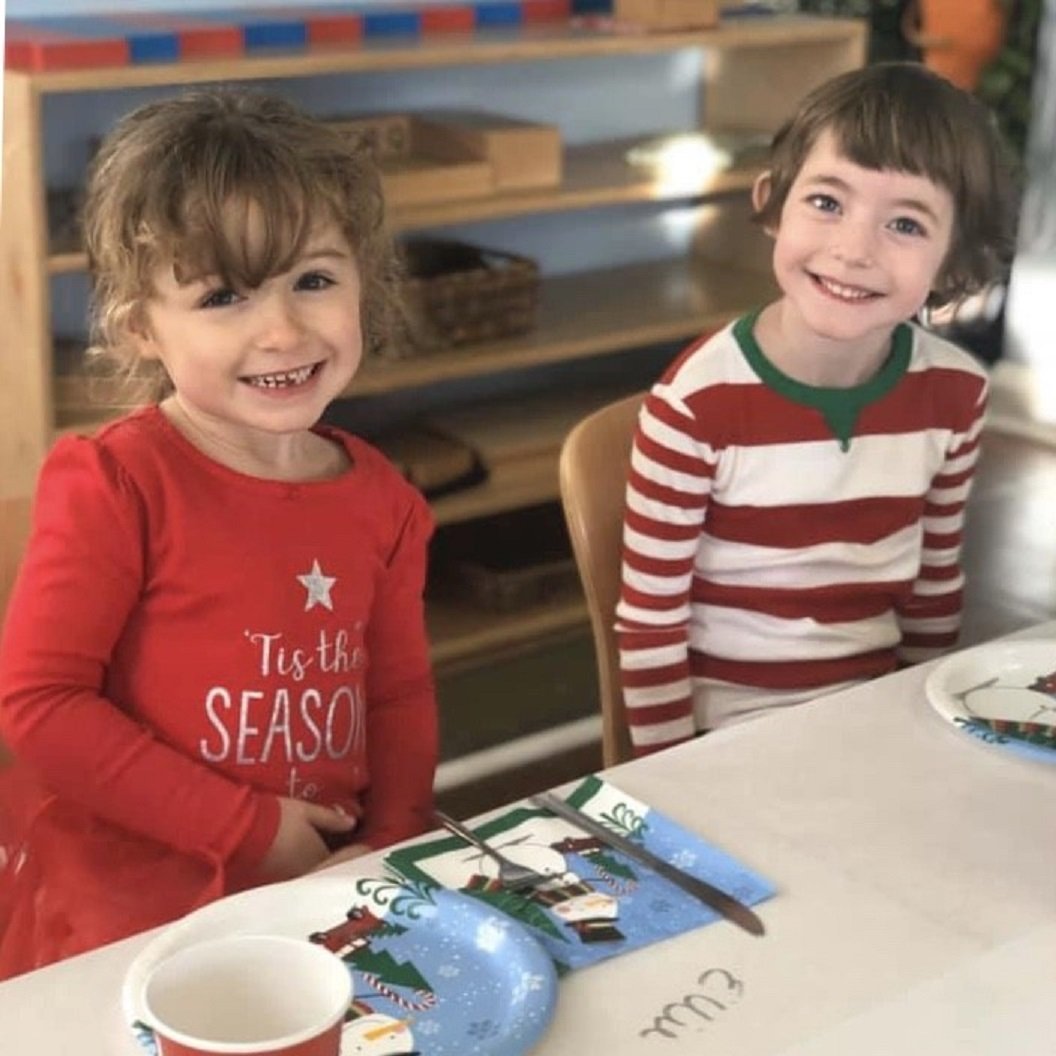 They work together and learn from each other.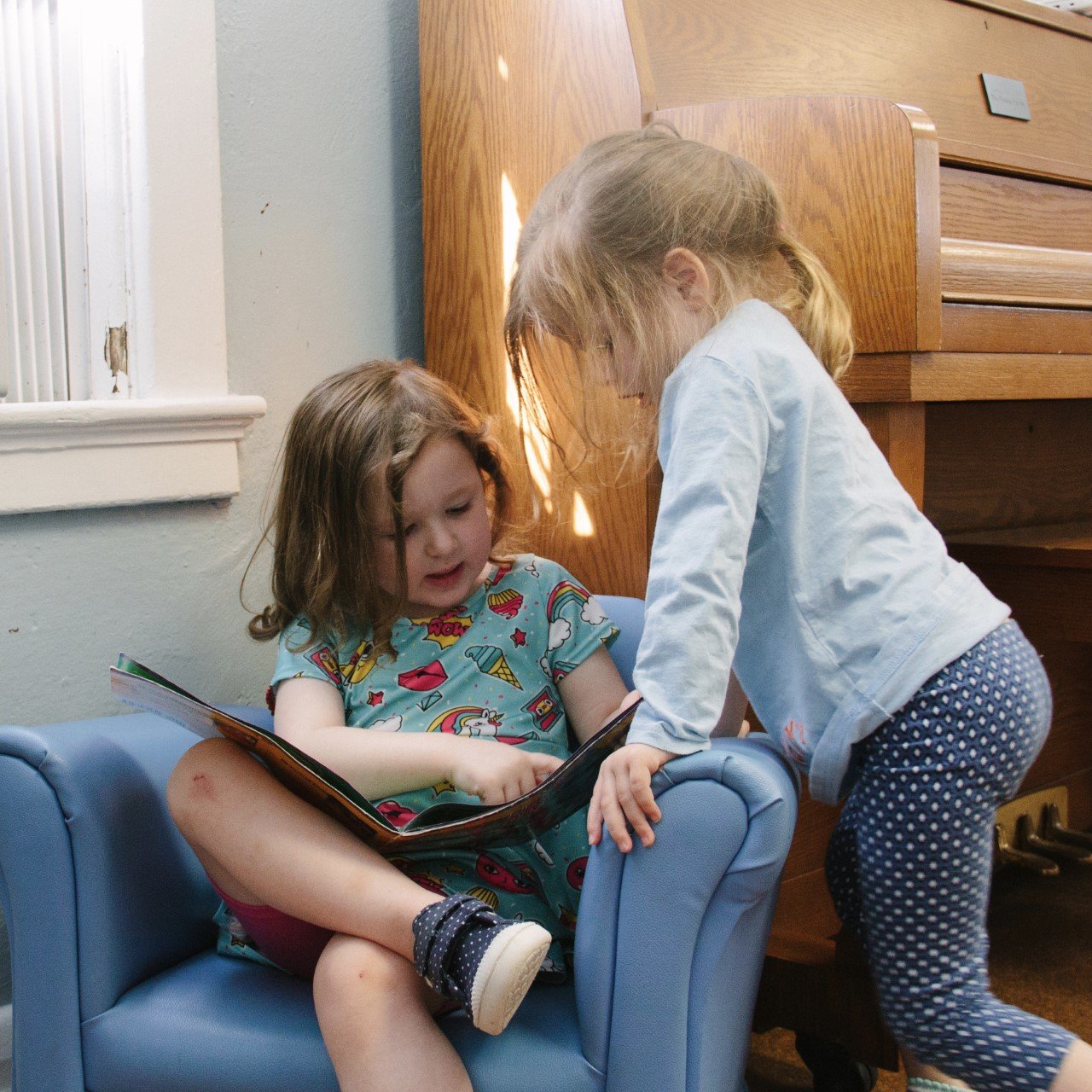
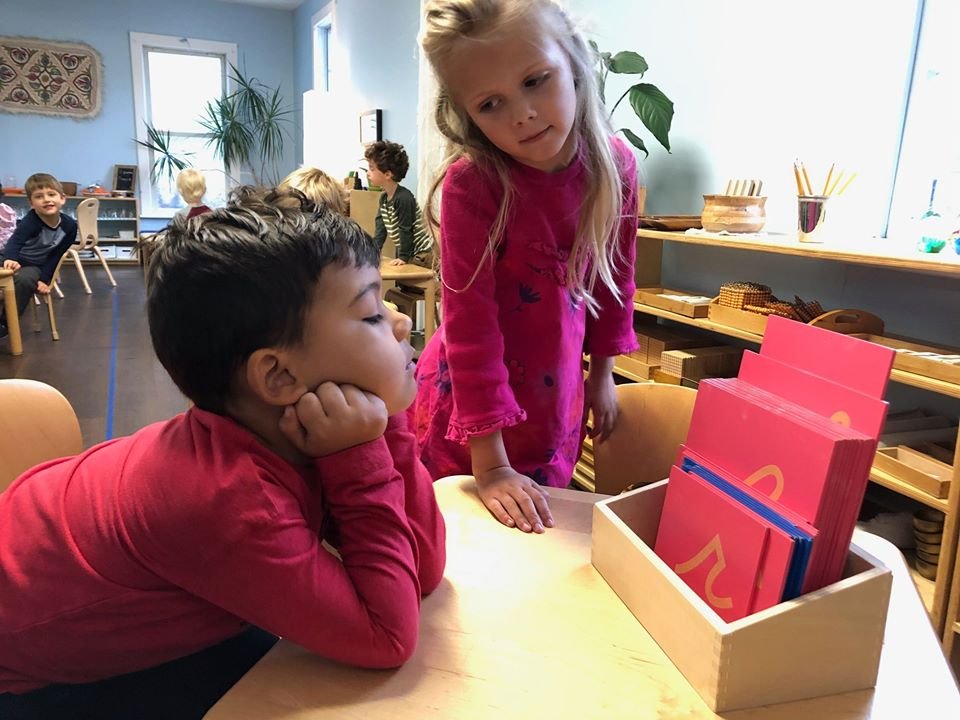
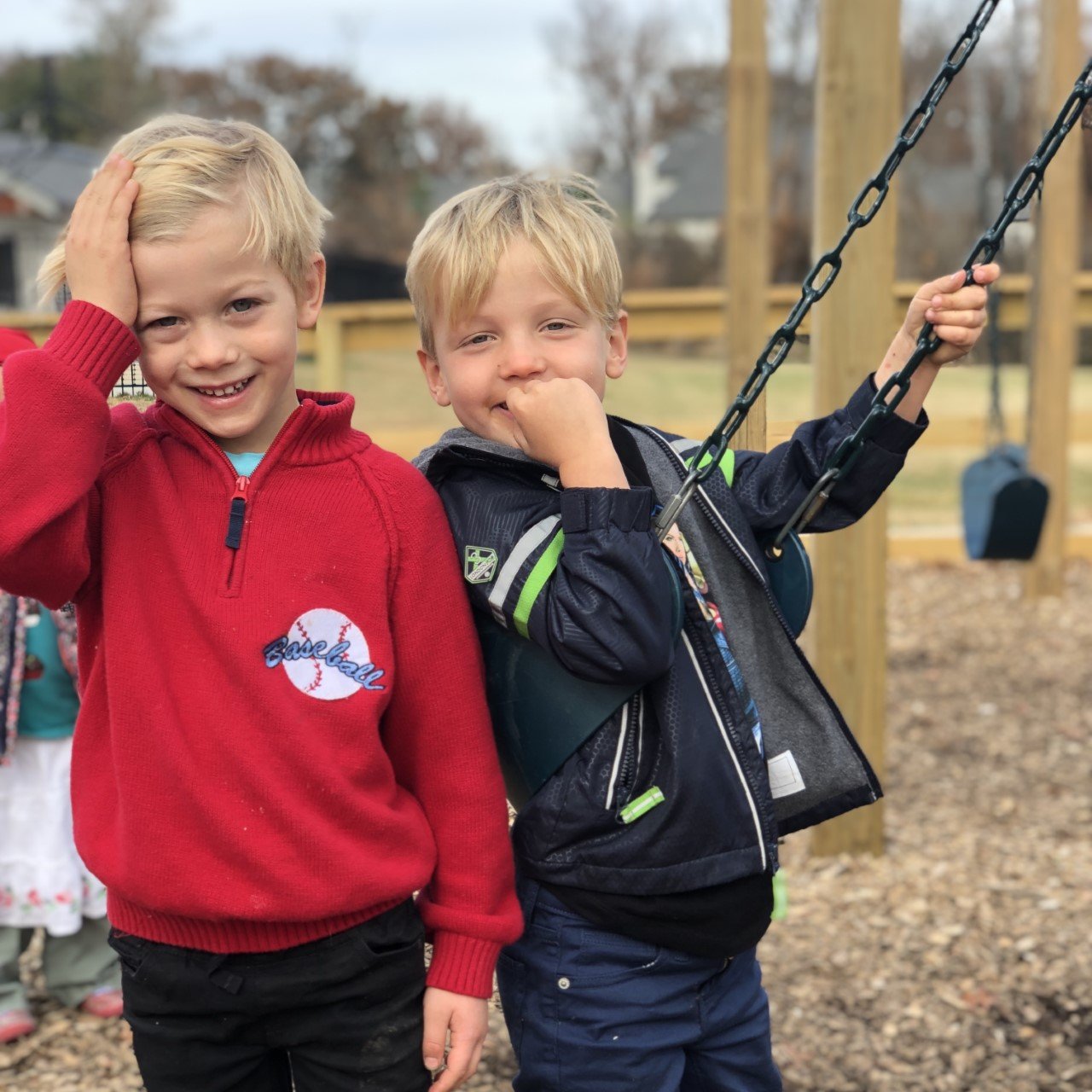
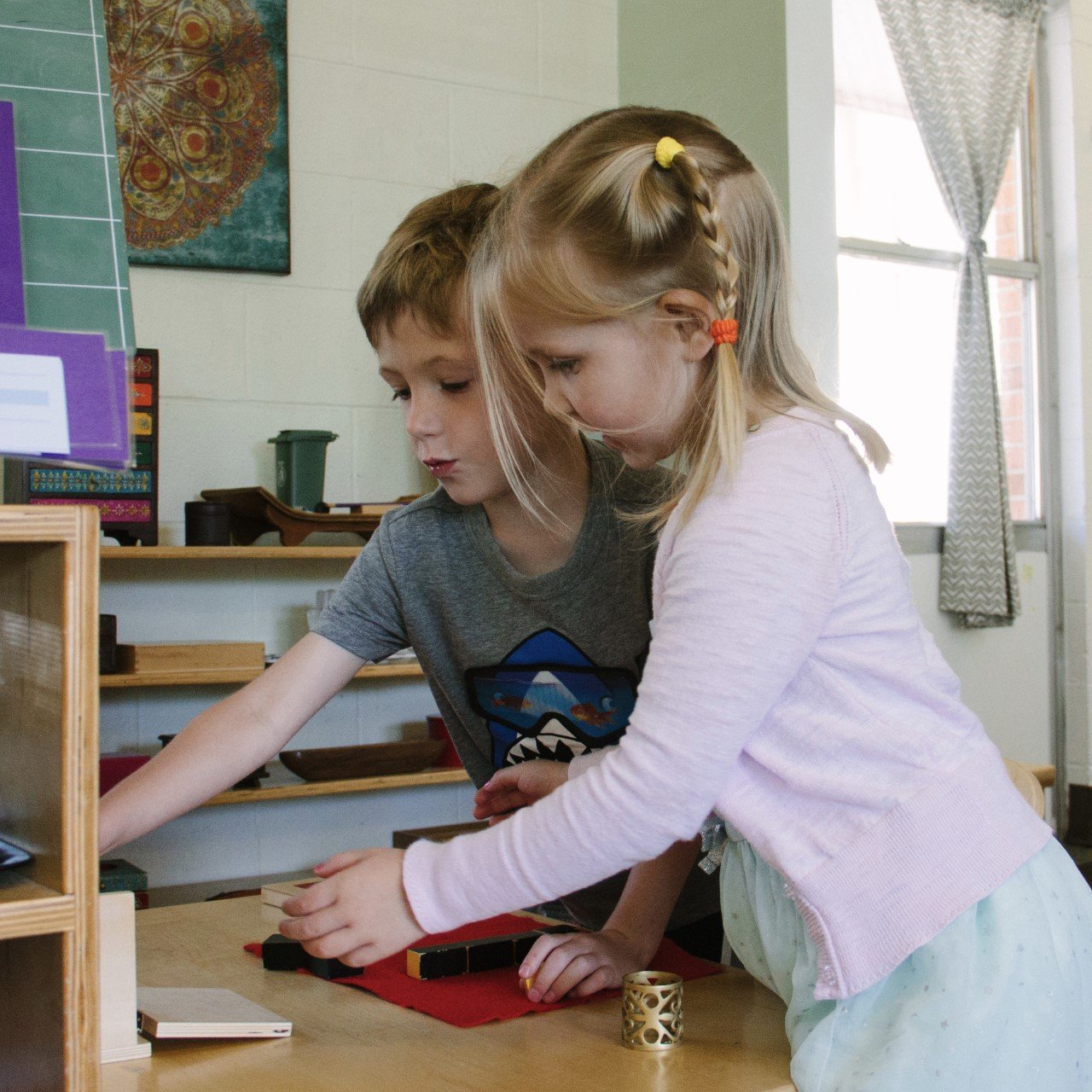 They play together and form new friendships.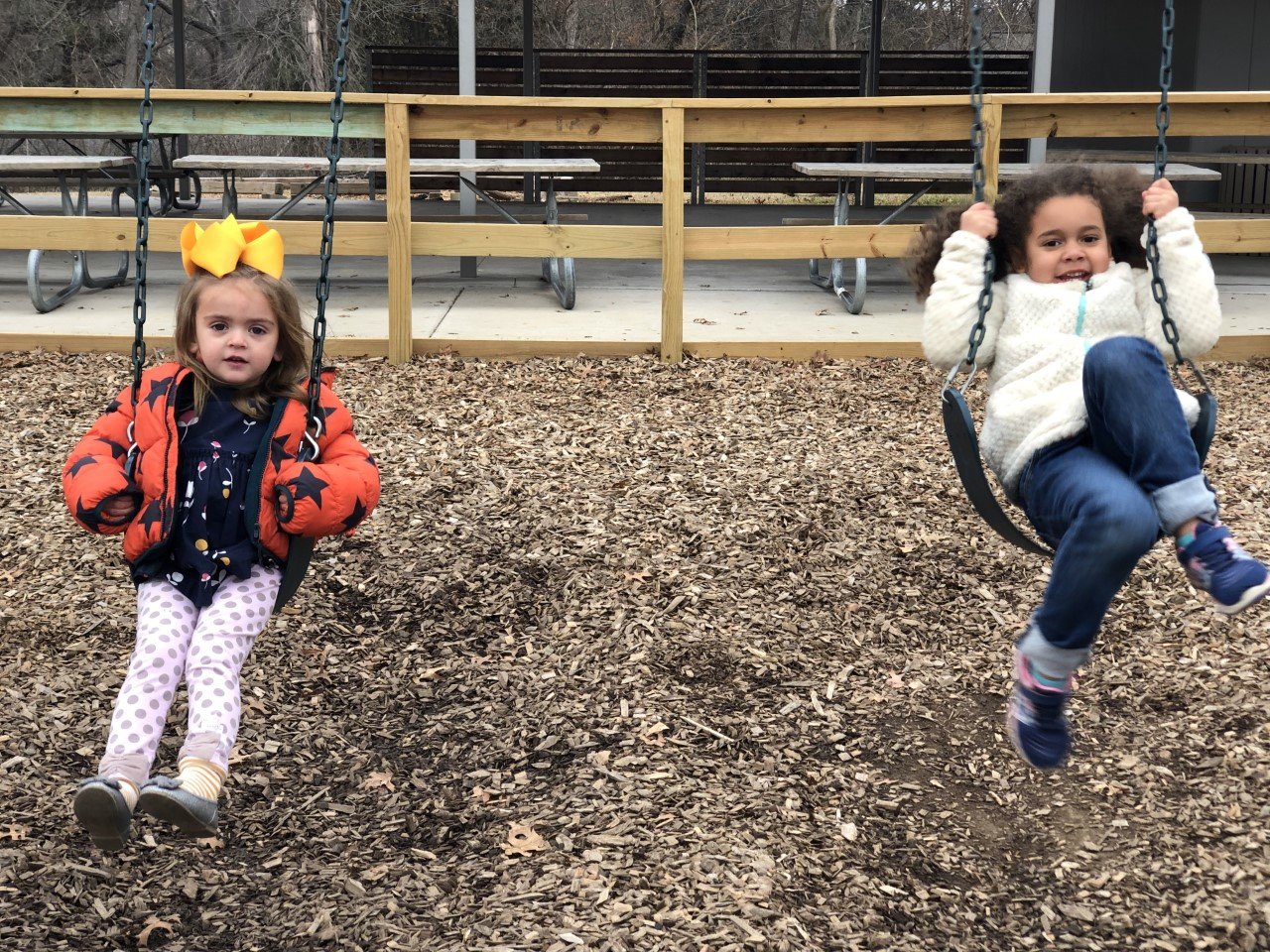
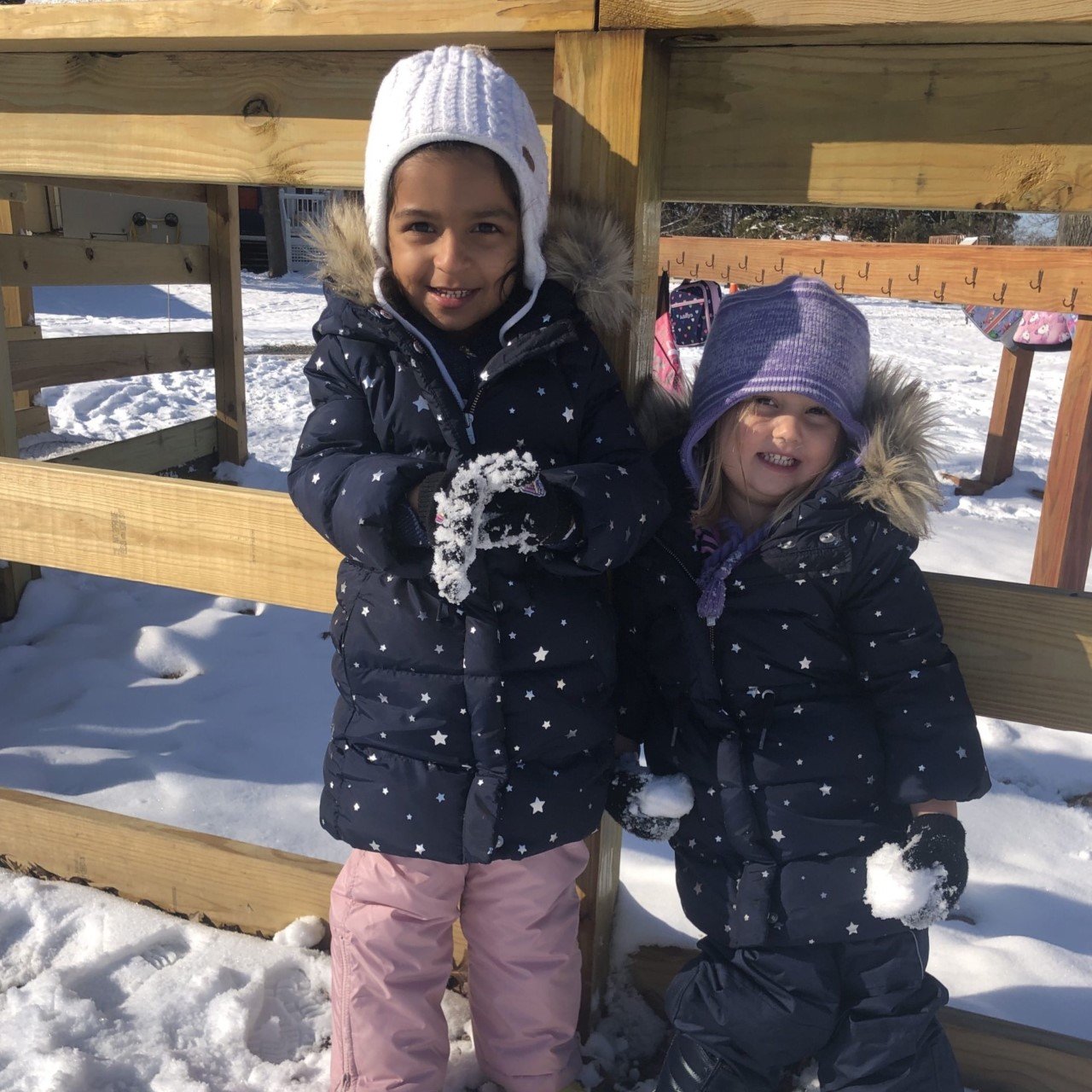 And sometimes help a new friend tie her shoe.
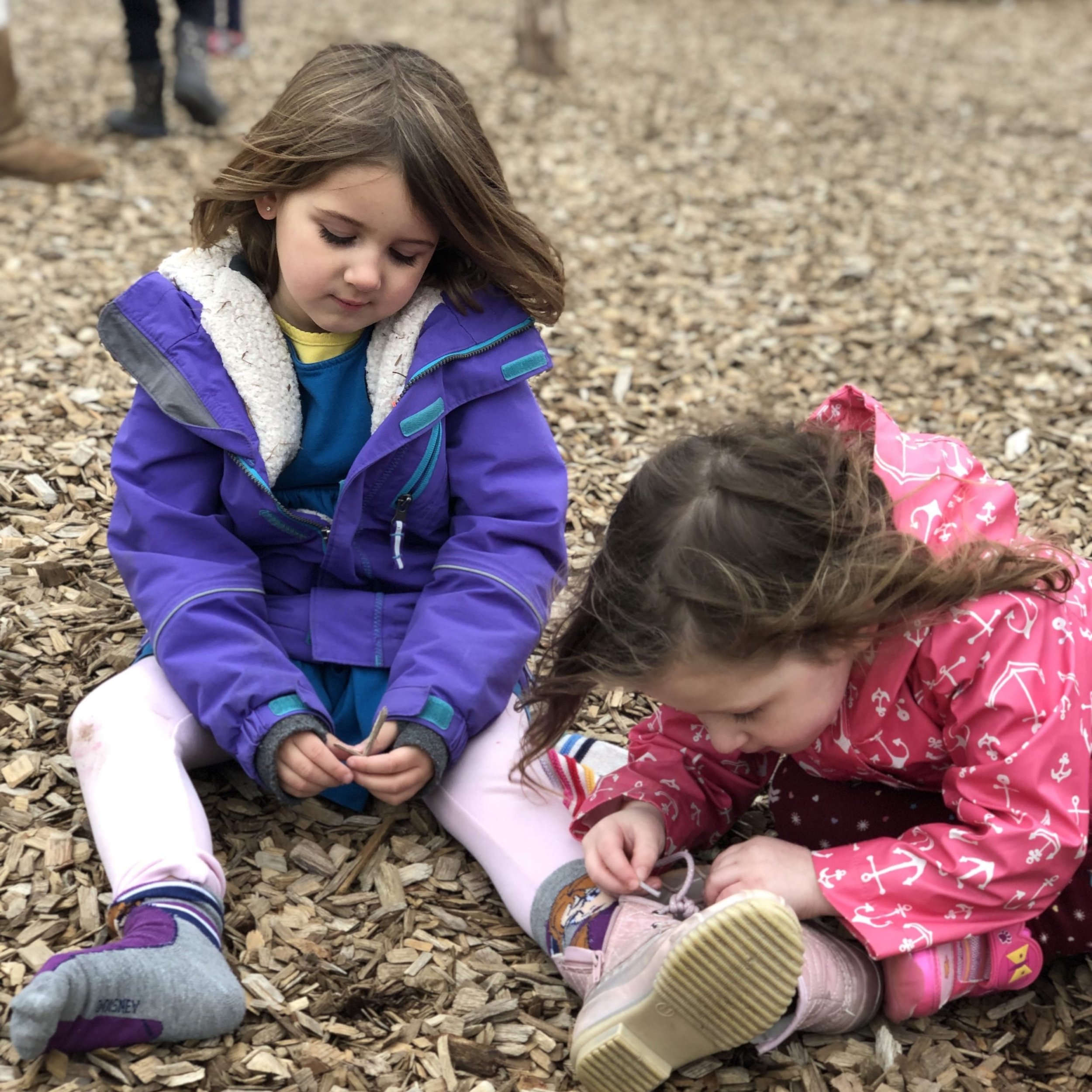 Whatever they're doing during their time in the Villa di Maria Children's House, they are doing it together. Learning and playing together, supporting and helping each other. With each other, these children are growing into their kind, compassionate and courteous selves. It is a lovely thing to witness, and we are grateful and honored to be a part of it.
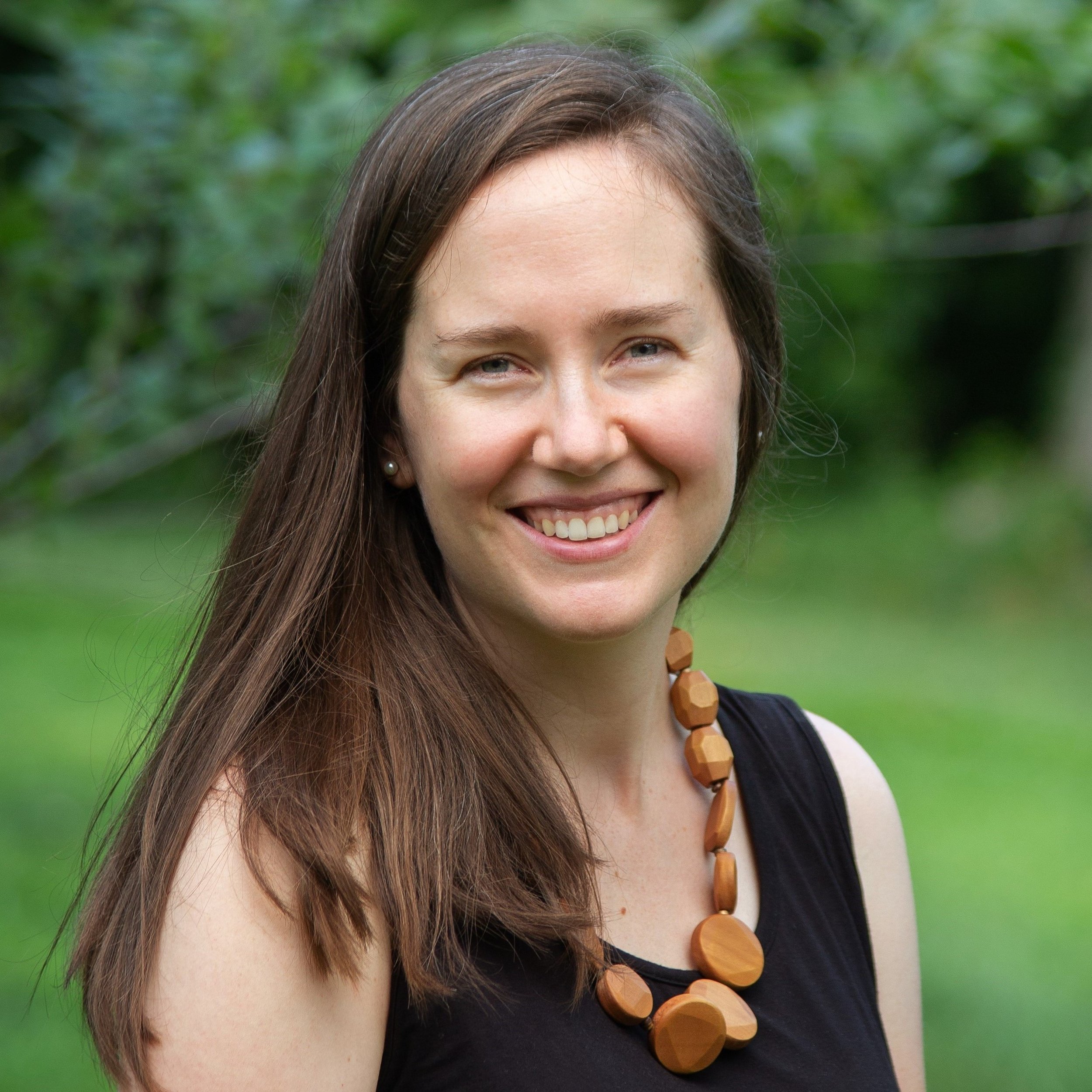 The very best part of Villa di Maria is our people. Our community of families, faculty and staff is something to be proud of. In this series, We are VdM, we’ll highlight the energies, talents, humor and wisdom of some of our amazing people. Today, we’ll meet Sarah Moscicke, guide in the Lower Elementary Racks & Tubes classroom. Sarah joined Villa di Maria at the beginning of this school year, having returned to her hometown of St. Louis after serving as an elementary guide for three years in Milwaukee. She holds a BA in communication and theater from Wheaton College, an AMI diploma at the elementary level and a MA in education from Loyola University Maryland. Sarah brings her background in theater and music to her dramatic storytelling and inspiring lessons in the classroom. She enjoys discovering each child's unique gifts and assisting them toward the development of their full potential.
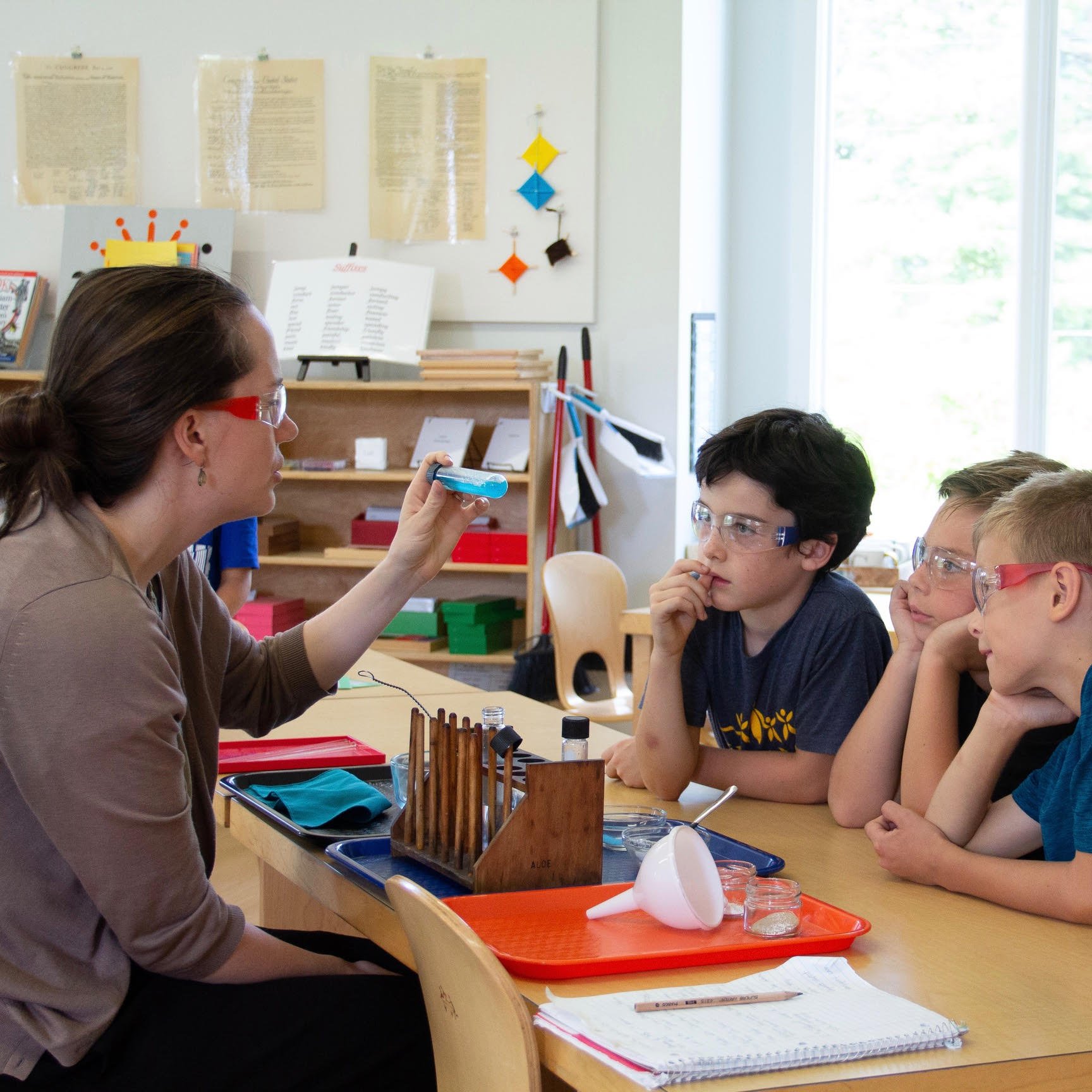 VdM: What is your favorite thing to do on the weekend?Sarah: Sleep in, drink coffee in bed, and hang out with my husband and baby.VdM: What was your favorite book when you were a child... and why?Sarah: When I was a kid, I loved reading mystery series, like Nancy Drew or The Three Investigators, even though they would keep me up at night with fear.VdM: What did you want to be when you grew up?Sarah: One of the things I wanted to be when I grew up was a ballerina. I was infatuated with The Nutcracker and would put on my own performance in my living room.VdM: What is your favorite quote/moment so far from/with one of your students?Sarah: "I don't mean to hurt your feelings, but you look like Ms. Bro," from a first year in my classroom.
 Today we honor the life and legacy of Reverend Dr. Martin Luther King, Jr., a Baptist minister and civil rights activist. With peaceful and nonviolent acts of civil disobedience, Dr. King exposed racism and unfair treatment of African Americans throughout the United States and fought for racial and economic equality. He inspired and led the Civil Rights Movement from 1955 until the day he was shot and killed in Memphis, TN—April 4, 1968.On the evening of April 4, Dr. King stepped out of his motel room and onto the balcony of the Lorraine Motel and was shot and killed by a sniper. He was 39 years old.
 A Mango-Shaped Space by Wendy Mass is a coming-of-age novel about 13-year-old Mia, a girl with synesthesia, an intermingling of the senses. Mia sees numbers, letters and sounds as colors and she's been keeping it a secret since she was teased about it in third grade. When her condition causes her to struggle in middle school, she tells her parents and they take her to a specialist. With a proper diagnosis, Mia is able to research synesthesia and connect with other people who have it. As she learns more about her condition, her life also begins to unfold in other ways. She loses her grandfather, is betrayed by her best friend, finds a new, unexpected friend in a classmate and her beloved cat, Mango, dies. In the end, Mia learns to turn to the people who support her and to accept herself.
 In Rain Reign by Ann M. Martin, we meet Rose, an 11-year-old girl with Asperger's Syndrome who finds comfort in homonyms and prime numbers. Rose lives with her father, who has little patience for her, and her dog, Rain (Reign). With the exception of Rain and sometimes her uncle, no one at school or home seems to understand Rose, or even to want to understand her. She finds comfort in Rain, who provides much-needed routine, as well as unconditional love. When Rain is lost in a hurricane and ultimately rescued by an animal shelter, Rose's life takes a turn. Her choices and the choices of her uncle and father change her life forever and, ultimately, lead to a fresh start for Rose.
 Fish in a Tree by Lynda Mullaly Hunt tells the story of sixth-grader Ally, who is artistically and mathematically talented and who struggles with reading and writing. She has trouble in school, struggles socially and avoids reading and writing at all costs. While Ally's family loves her, they often have to relocate and are not equipped to support her learning difficulties. When Ally lands in a school with a teacher who senses she might have dyslexia, Ally's life changes. She thrives with her teacher's confidence in her, finds friends who face their own social challenges, learns to believe in herself and even inspires her older brother to face his own struggles with reading.
 Mason Buttle is a kind, sincere and optimistic 12-year-old boy who is also bullied for being unusually large with a sweat-gland disorder, who has dyslexia and who has lost many of the most important people in his life, including his best friend, Benny, whose body was found in Mason's family's orchard. Mason grieves for his friend while also being suspected of having something to do with his death. Mason and his new friend Calvin are relentlessly, cruelly bullied but they stick together. Then, Calvin goes missing. Mason is again a suspect but, armed with honesty, he works to solve the mystery of Calvin's disappearance and Benny's death. The Truth as Told by Mason Buttle is, in the end, a story about the triumph of loyalty, sincerity and kindness.


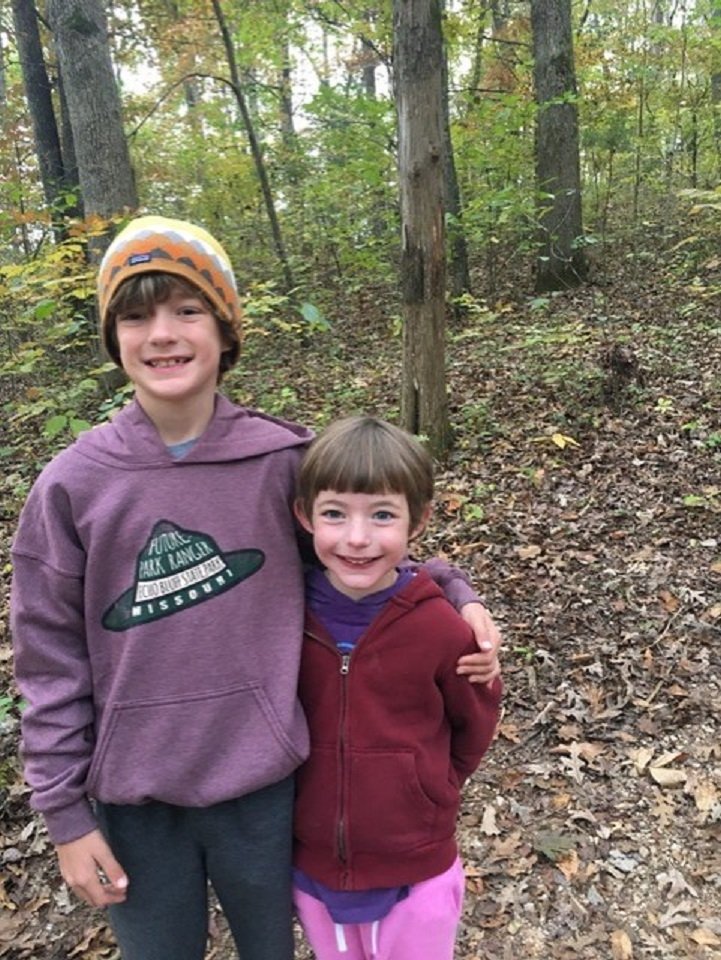


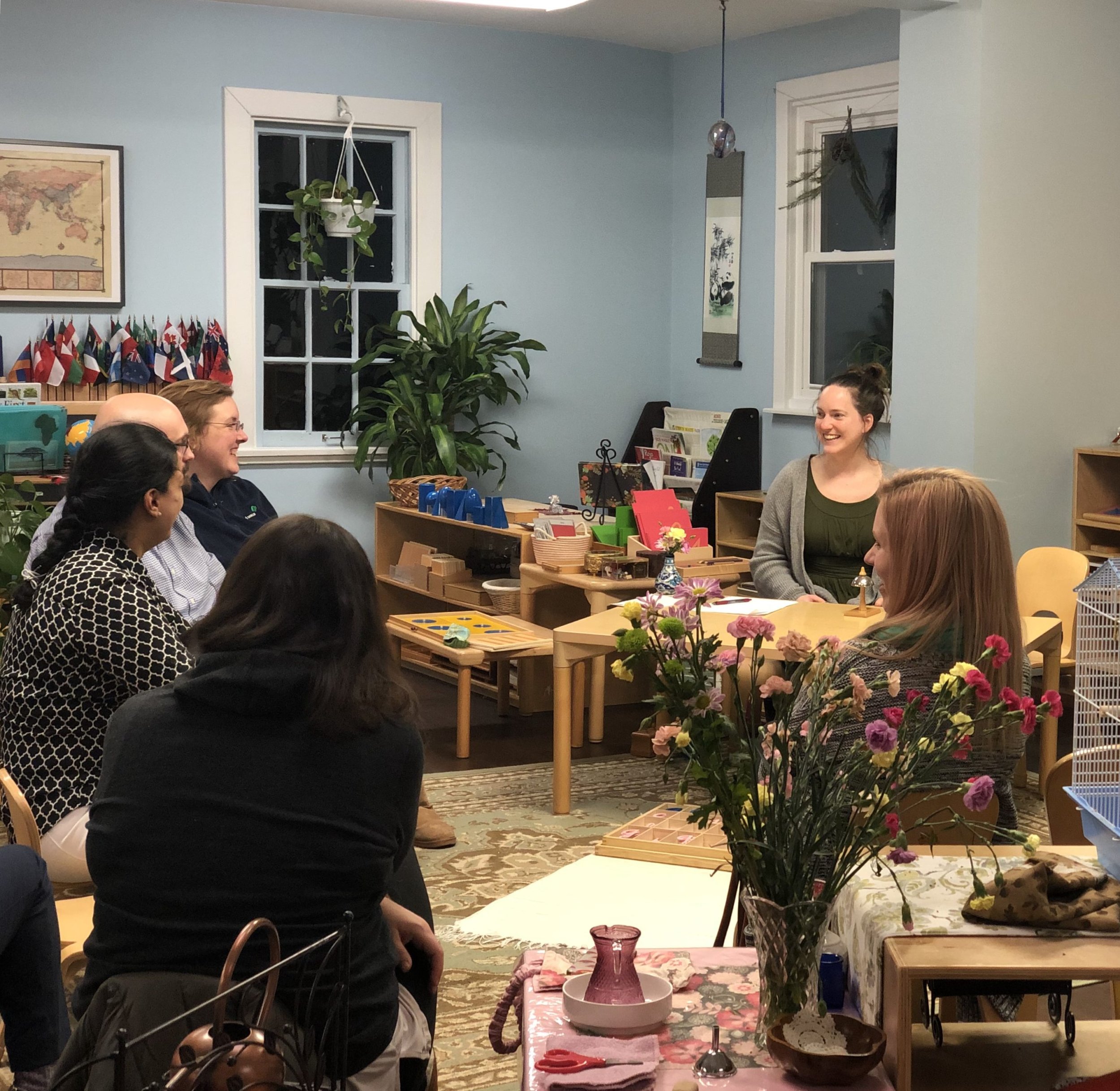
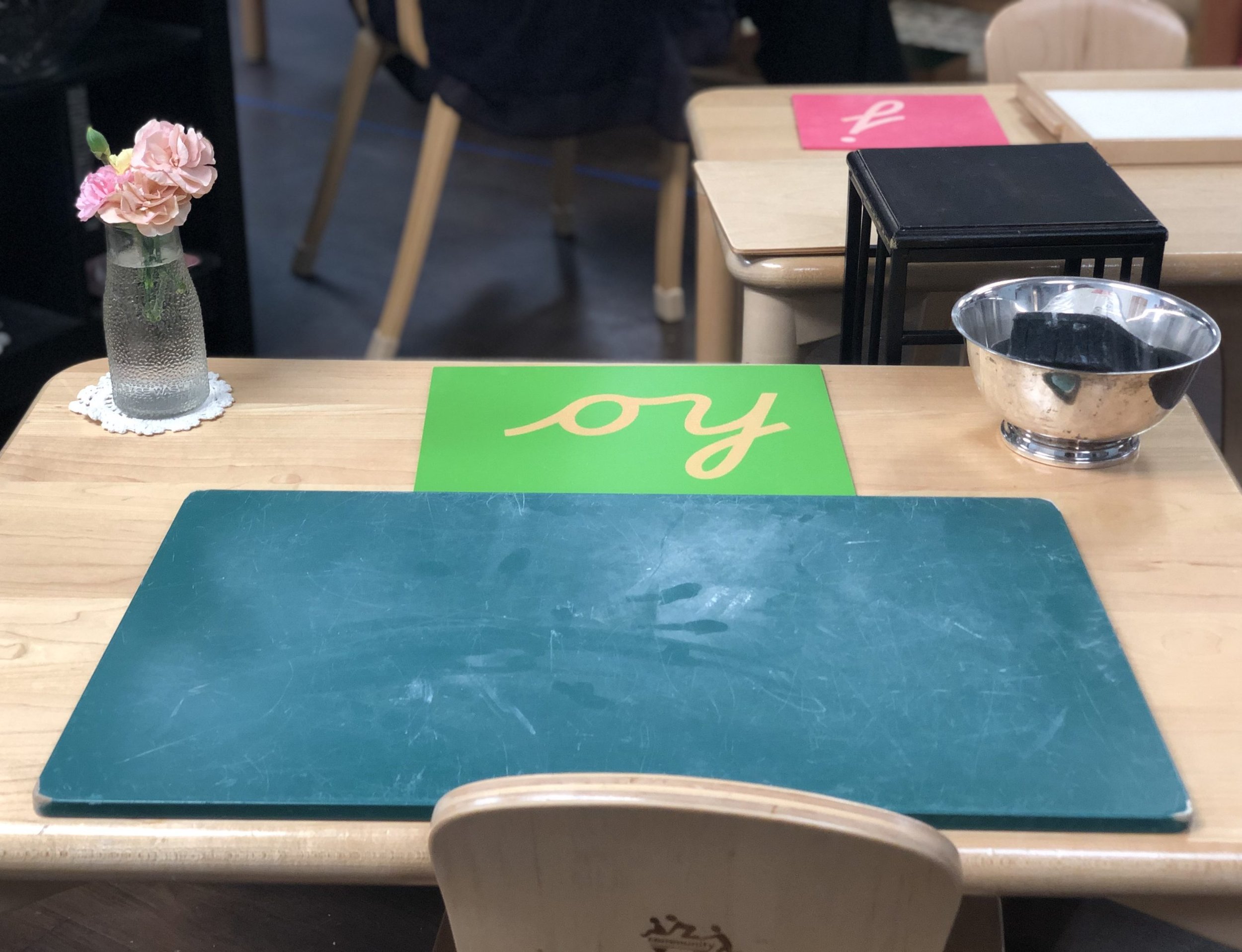
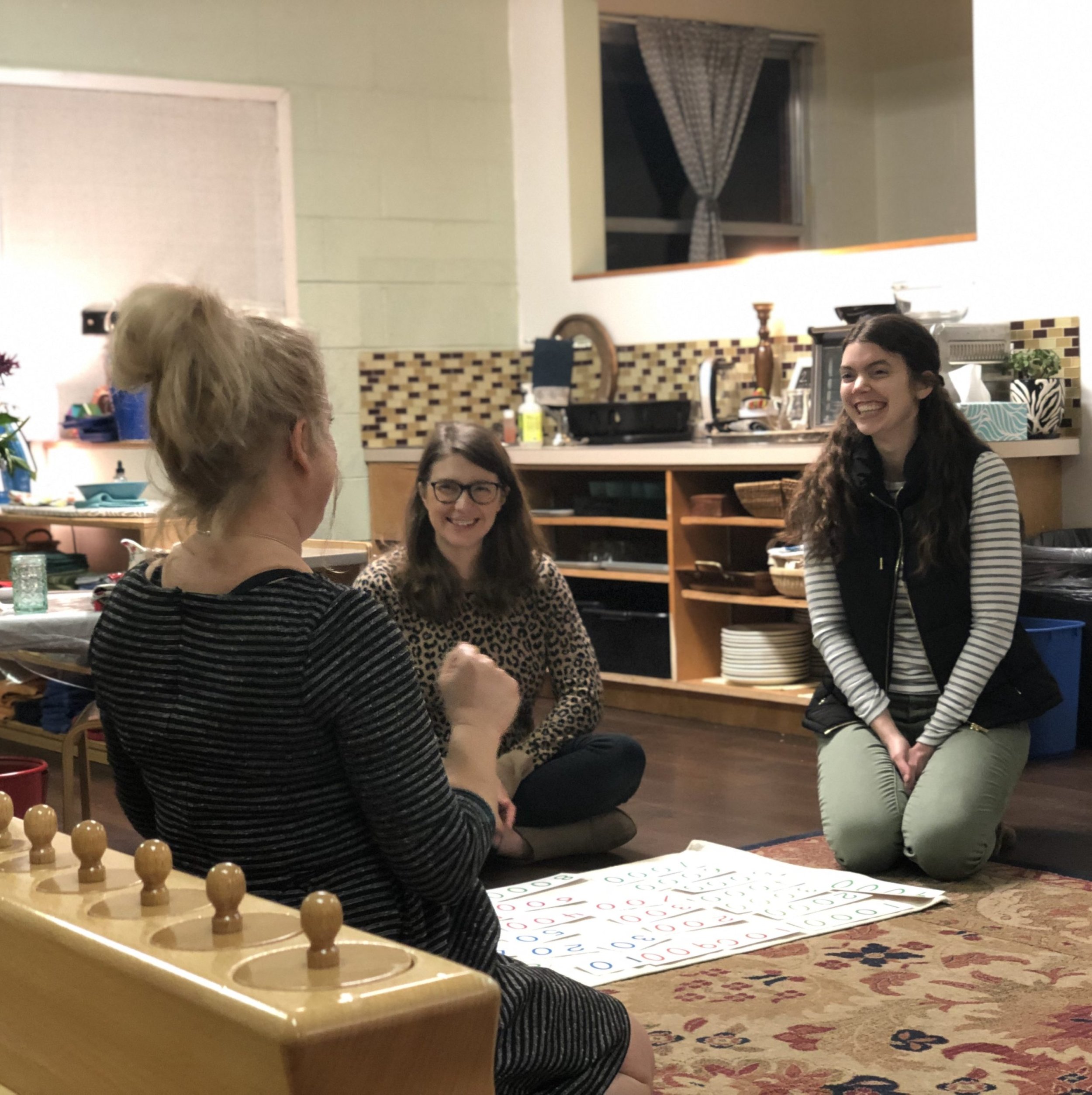
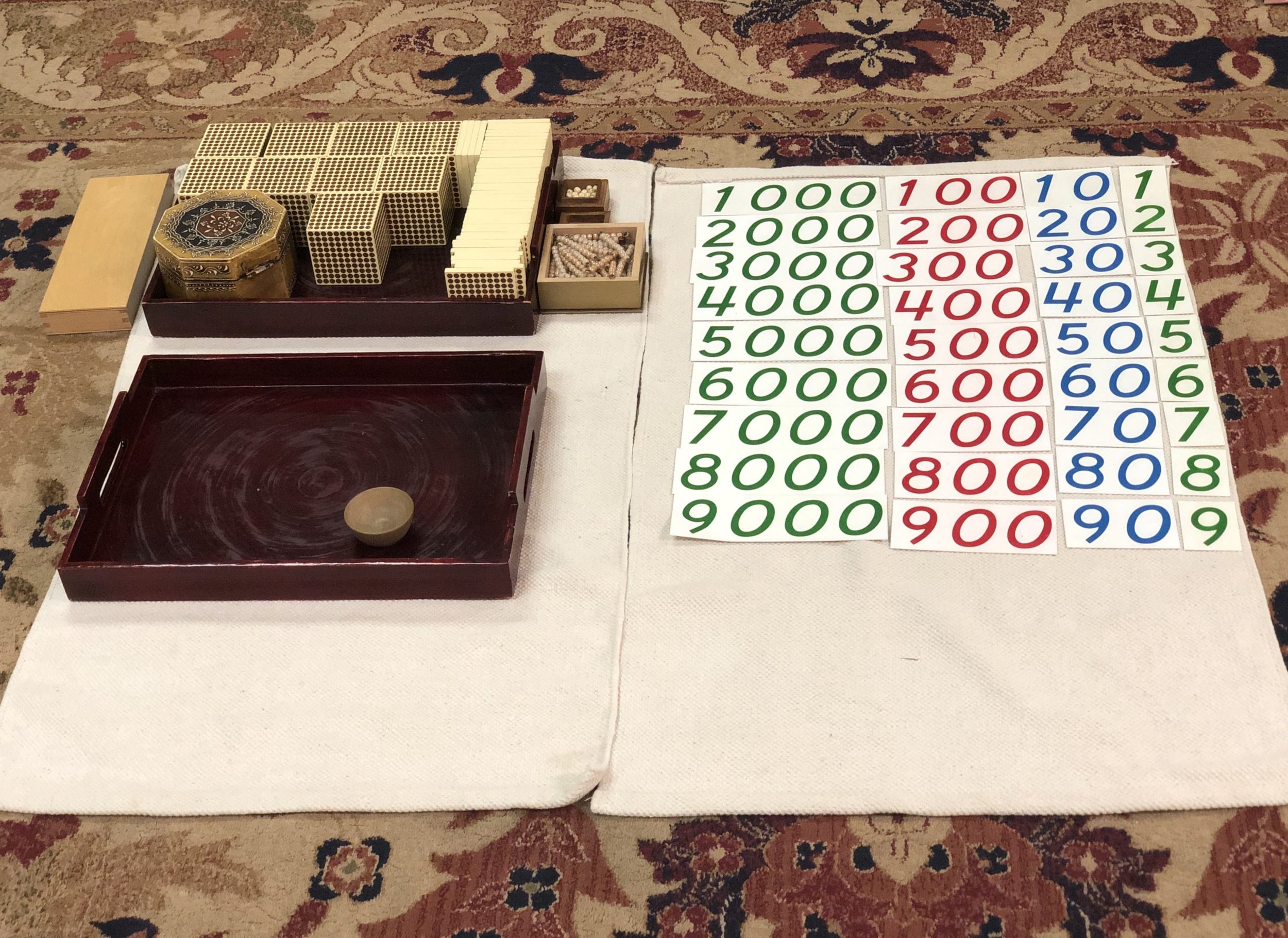
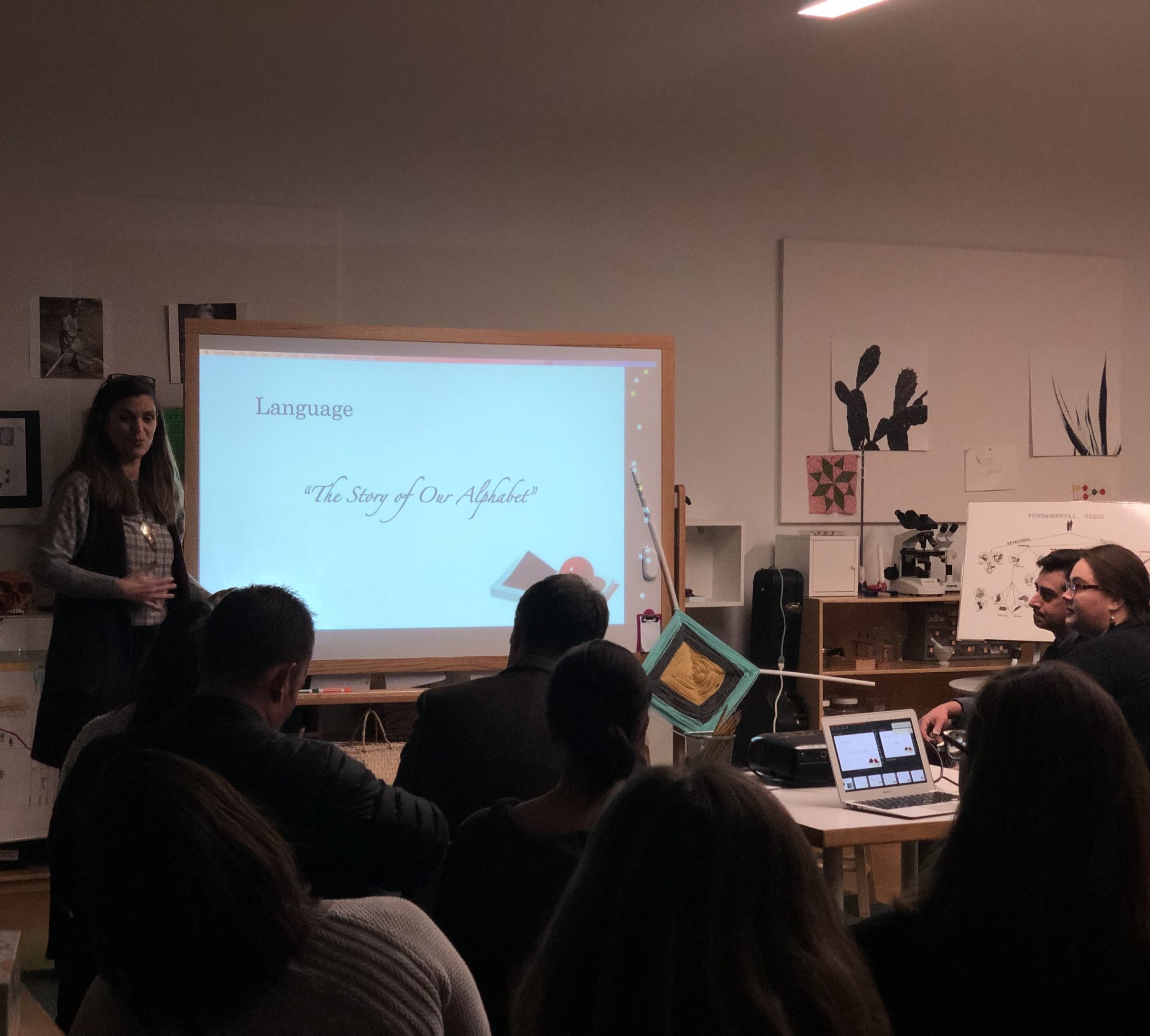
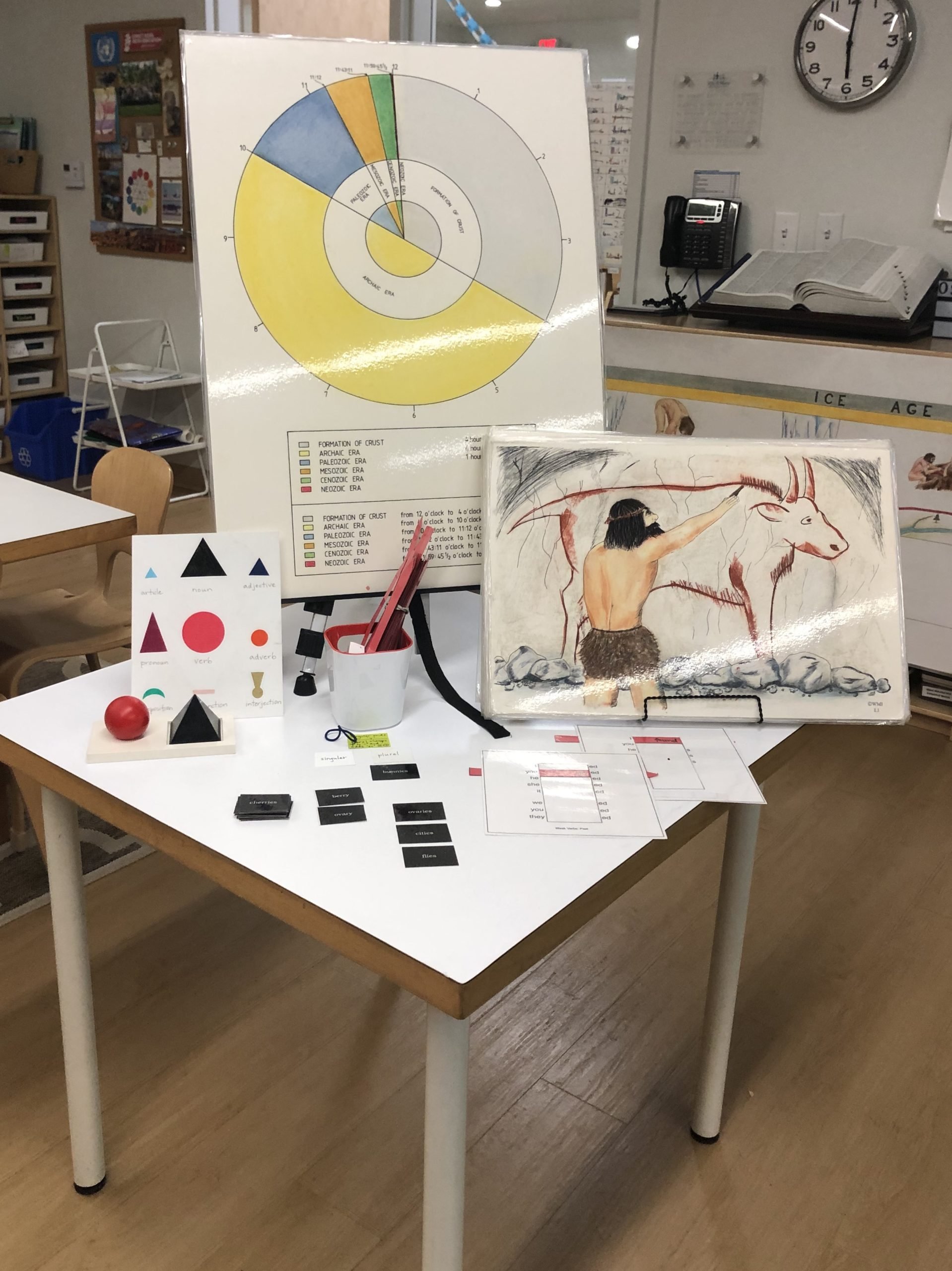
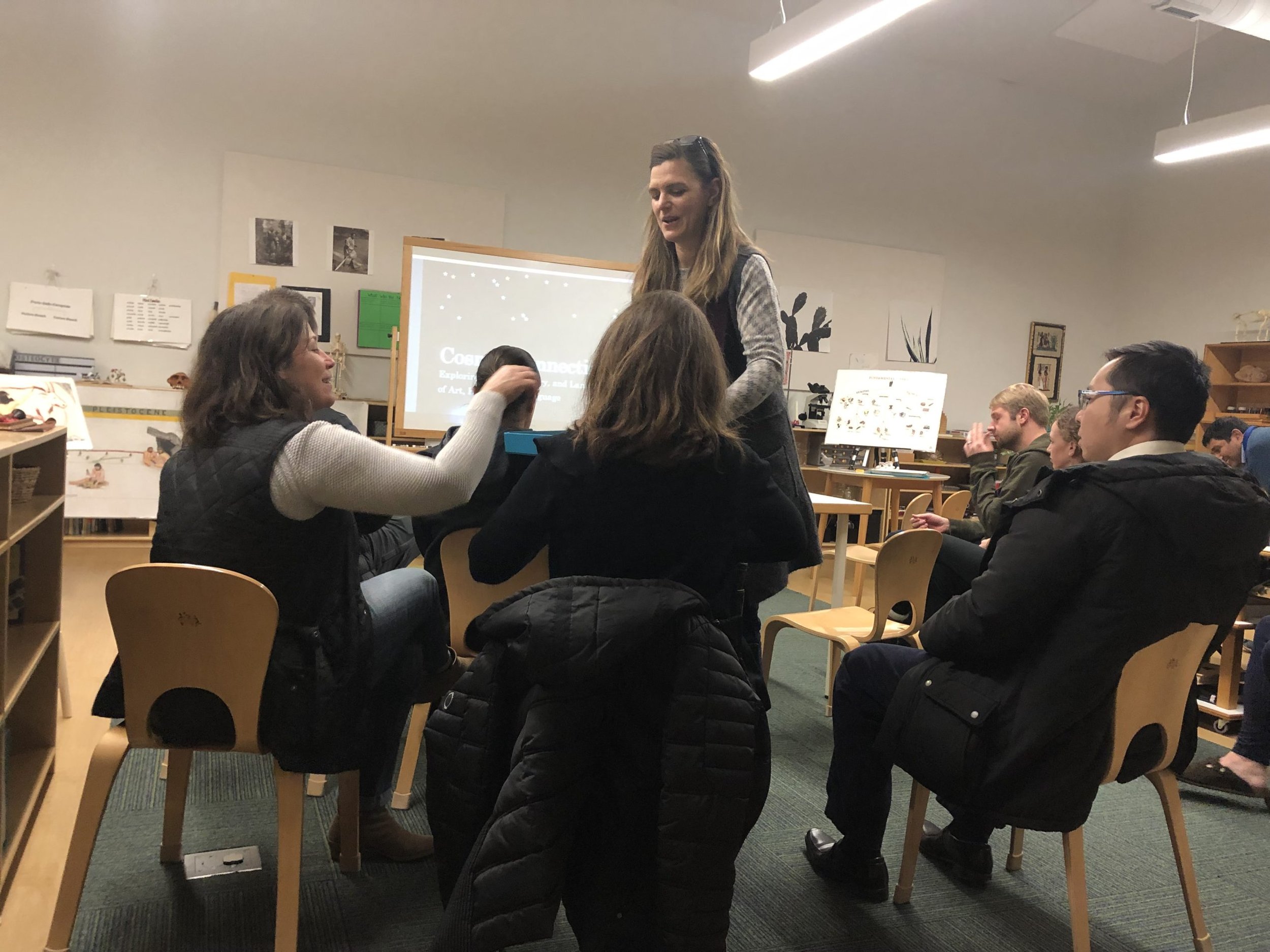
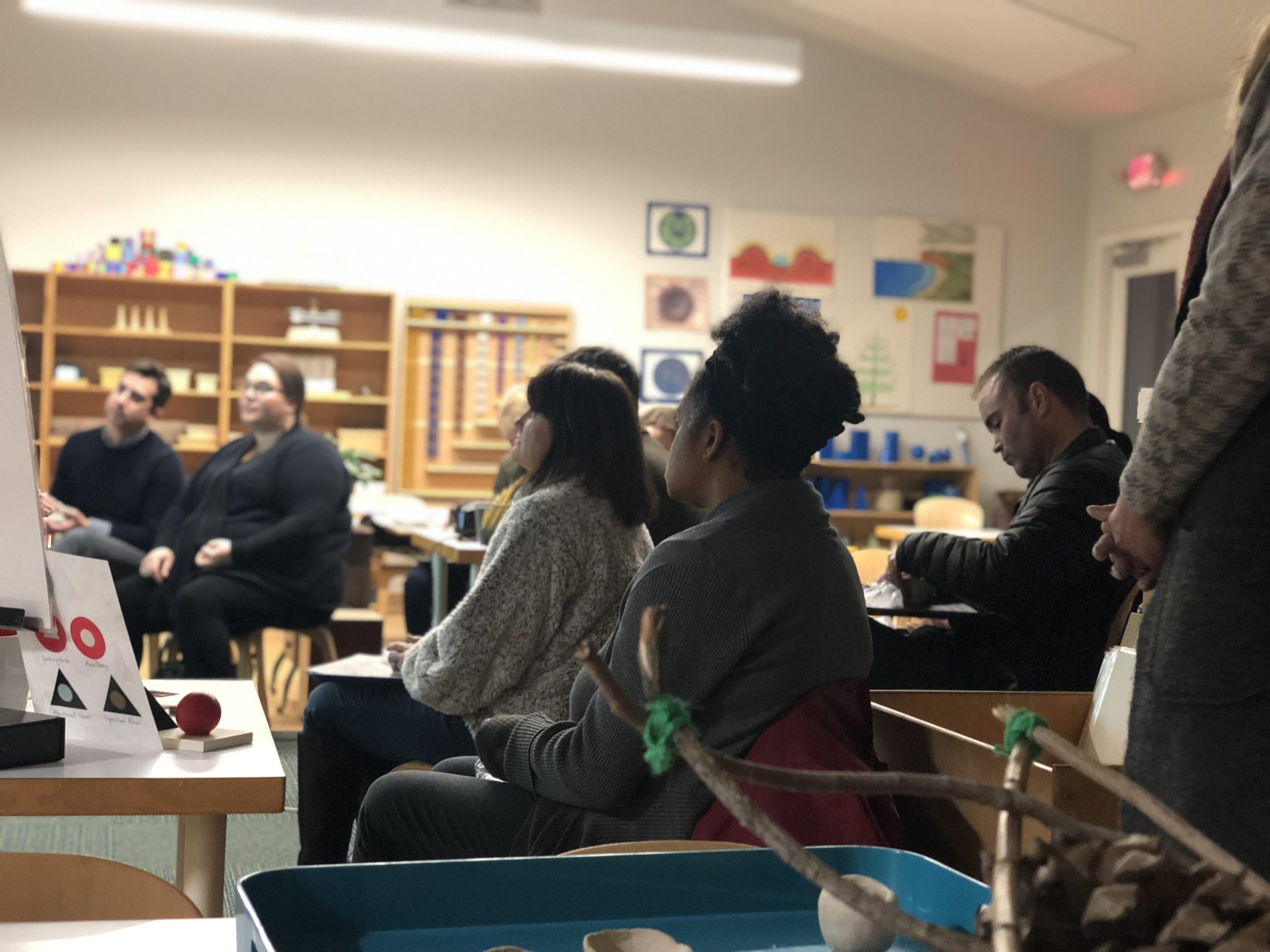 Several times during each school year, our Guides meet with parents for in-depth discussions of Montessori curriculum. These Parent Talks are great opportunities for our parents to come together and learn more about the work their children are doing at VdM every day. The events are often enriched with group work or hands-on experience with materials, and parents are free to ask questions and discuss their experiences. Each talk is focused on one aspect of the Montessori curriculum as it applies to a specific age or plane of development, and designed to demystify Montessori principles and give parents ideas for supporting and/or implementing those principles at home.The last round of Parent Talks happened just last Thursday evening. Read on for a peek into the evening and be sure to check out the resources and suggested reading at the bottom of this post for more information about the topics discussed at the Parent Talks.Parents of our youngest children (ages 2.5 and three) met with Guide Jessie Braud in the P2 Children's House for "Writing into Reading," a discussion of why writing comes before reading in the Montessori classroom, including an exploration of the early sensorial and language lessons that prepare children to learn to write and then read. The group also discussed language acquisition in children and how parents can best support the natural ways children learn.


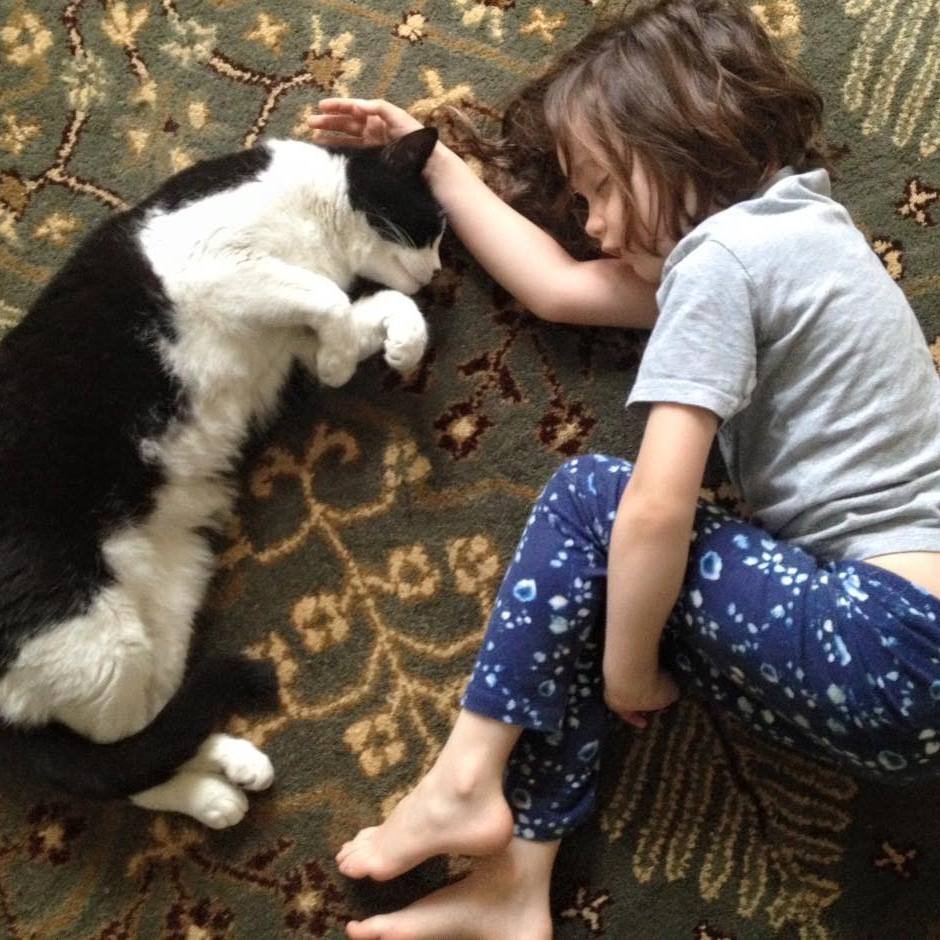 It's a new year and a new opportunity to check in with our family routines, to assess what is working and what might need a little work. In this series, Better Habits in 2020, we'll take a look at the kinds of things we can do to improve our and our children's lives. Today we'll start with what I personally believe is the mother of all good habits: sleep!Put simply, our brains and bodies just cannot do all they are supposed to do without adequate sleep—we depend on good, quality sleep for growth, memory, appetite regulation, physical fitness, heart health, emotional regulation, mental health, alert awareness, good performance at work or school, a working immune system and the ability to learn.
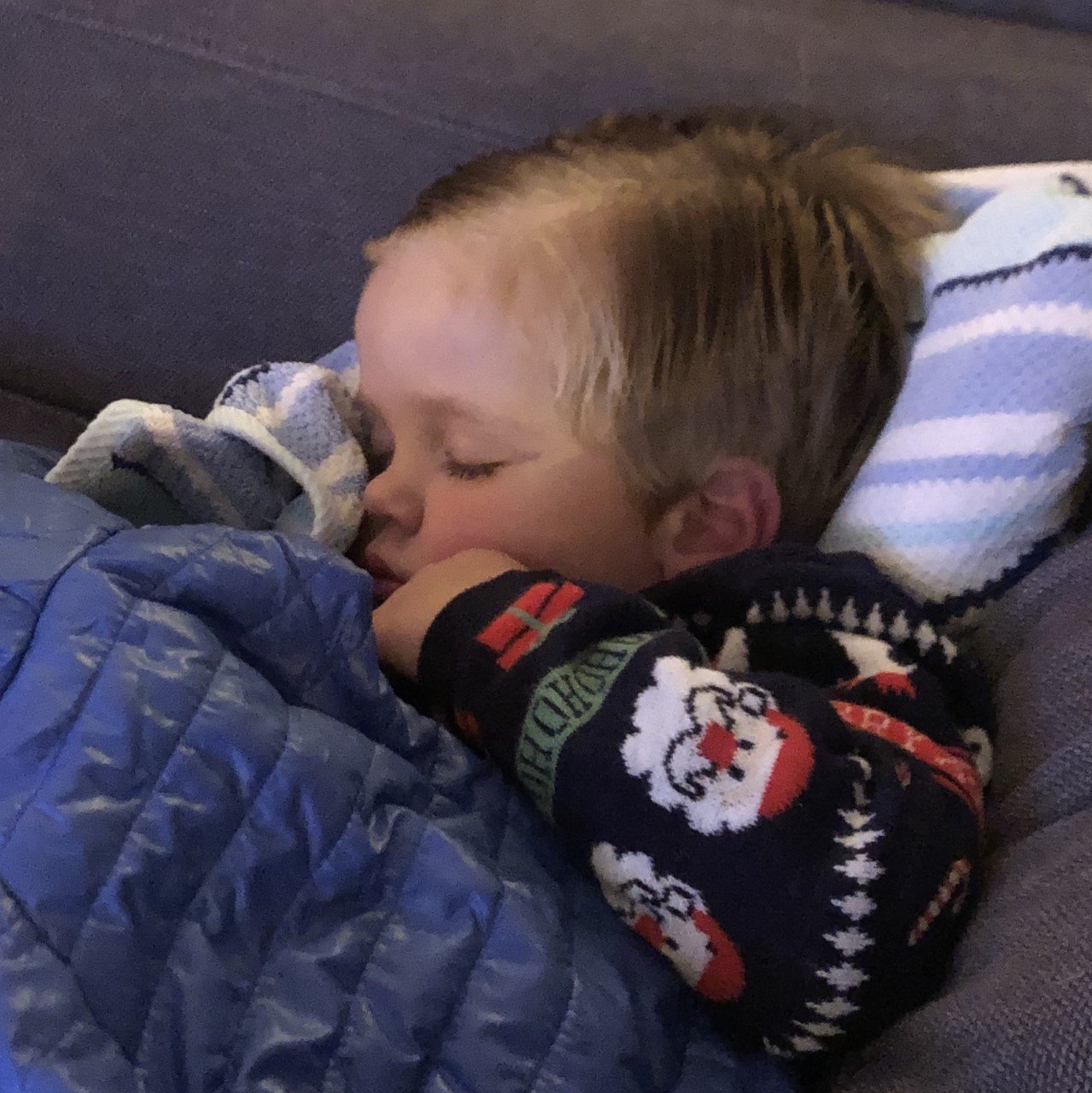 While we might think of sleep as a time when everything shuts down, the truth is our bodies and brains, freed from the daily tasks of being awake, turn inward and get to work. Our physiological functions, like breathing, body temperature and heart rate, rest and slow down, conserving energy while the body generates and regenerates cells, heals damage and recovers from stress. And the brain works on organizing all of the data that came at it during the day. We lock in new information; consolidate and categorize that information with what we already know; build memories; carve out neural pathways for movement and speech; regulate emotions... the list goes on and on.This big work is happening in all of us, at every age, but in children this work is even bigger. They are physically growing and learning new things all the time. And the younger they are, the more growing and learning they are doing. From 0 to 6, children are absorbing, taking in everything—every single thing—around them, while also learning to walk, talk, eat, read and write. The right amount of sleep is absolutely essential for our children to be able to get this information settled into their brains and bodies. It is essential for them to be able to function happily and healthily.So what is the right amount of sleep? It's a lot more than many of us think. The American Academy of Pediatrics' recommendations for hours of sleep, by age group, are:
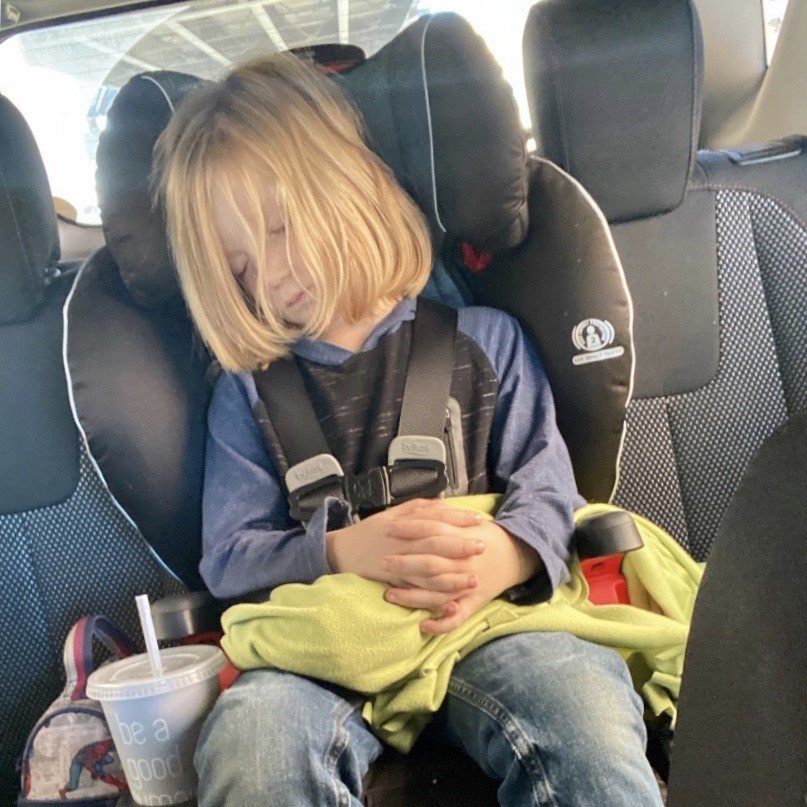 The immediate effects of a lack of sleep are familiar to any of us: irritability, fatigue, foggy thinking and just a general feeling of blech—things that might be helped with a nap. But the long term effects of a deficiency of sleep can be much more severe, including trouble focusing and concentrating, reduced immune system function, extreme stress, slower reflexes, impulsivity, anger and depression. So how do we do better? How do we help our children get the sleep they need?
 It has been two and a half years since Guide Cab Yau first introduced her Parent-Child Course in the Villa di Maria fireplace room, and we are happy to report the next session is starting next week! Parents and caregivers around St. Louis bring their very young children (eight weeks to two years old) to Cab's course once or twice per week during the morning hours. The course offers a nurturing environment prepared especially to support their early development in movement and language.
 As their children explore, parents and caregivers freely discuss their questions or concerns with Cab and each other. They learn how to foster independence in their children and how to model behaviors and language and how to implement Montessori principles in the home. And they have an opportunity to connect with a community of other parents and caregivers.
 If you would like to join this session of our Parent-Child Class, please visit this


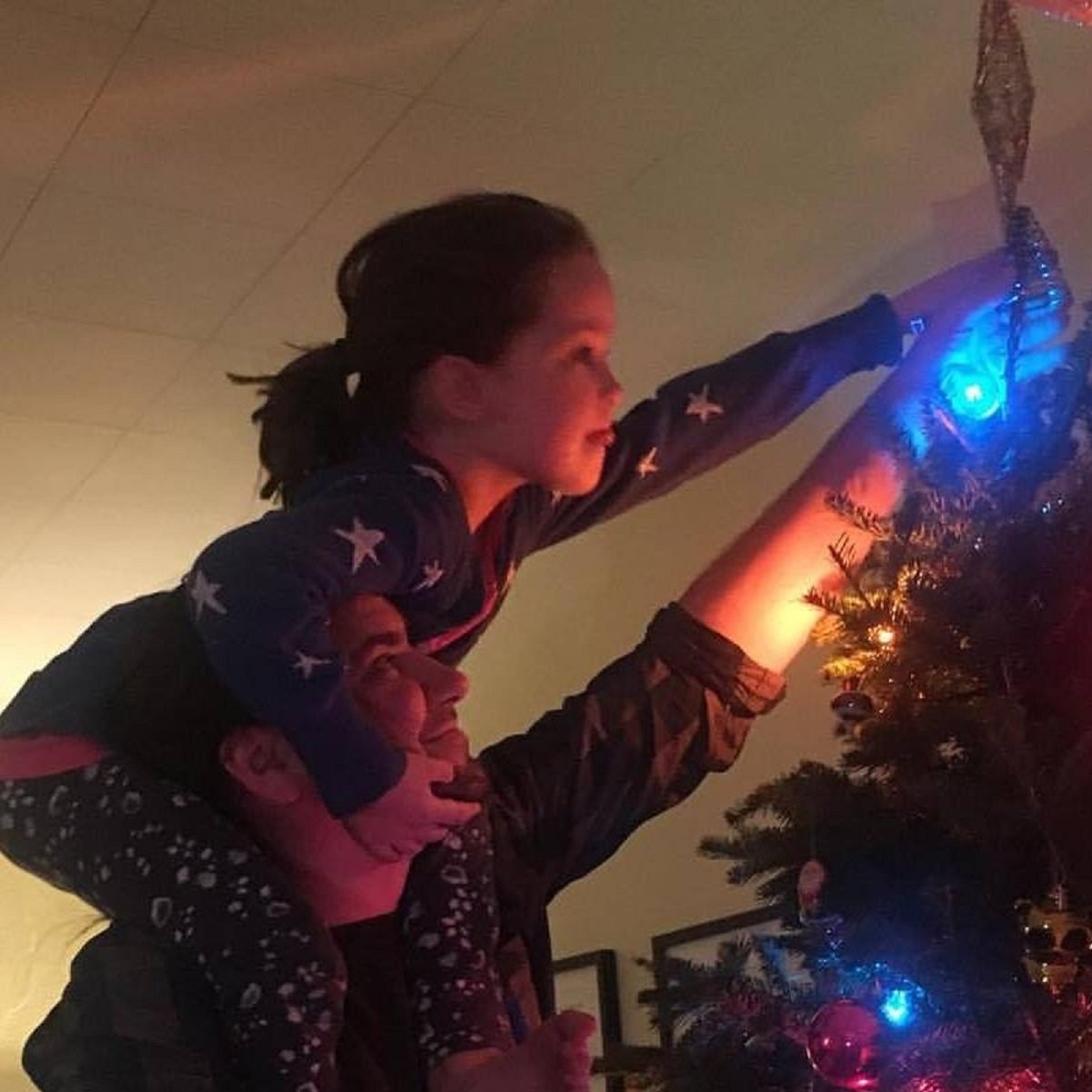
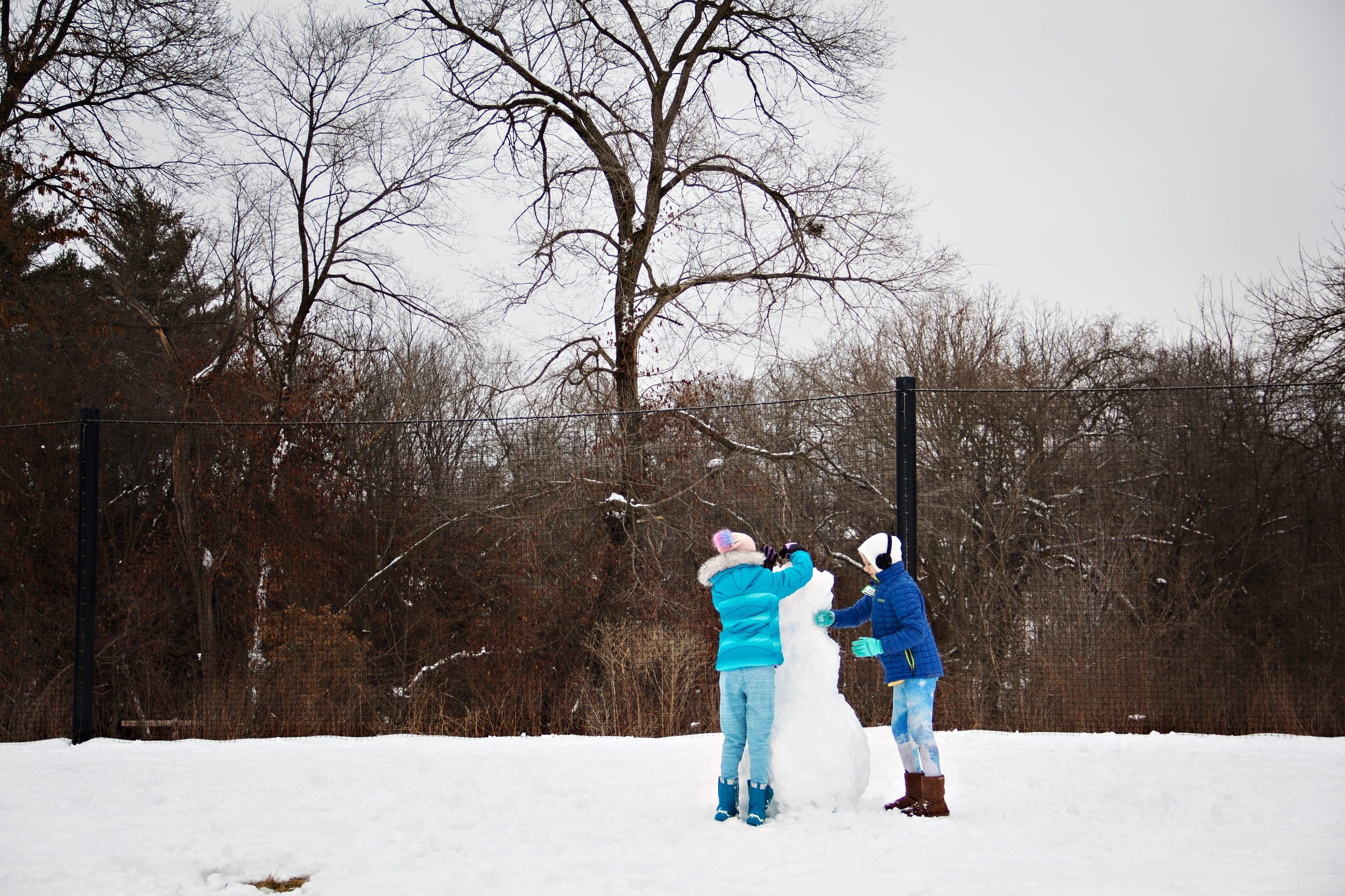







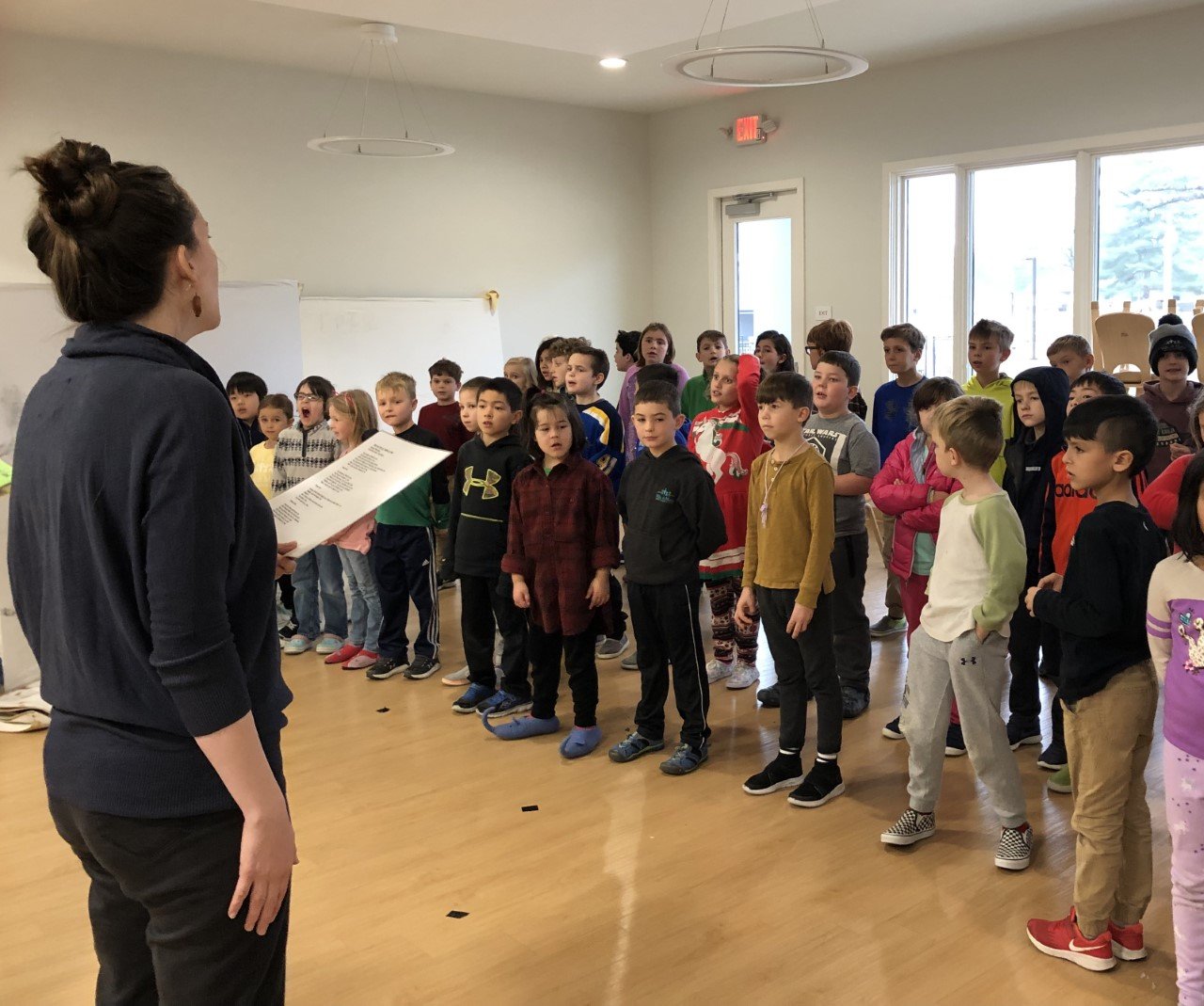

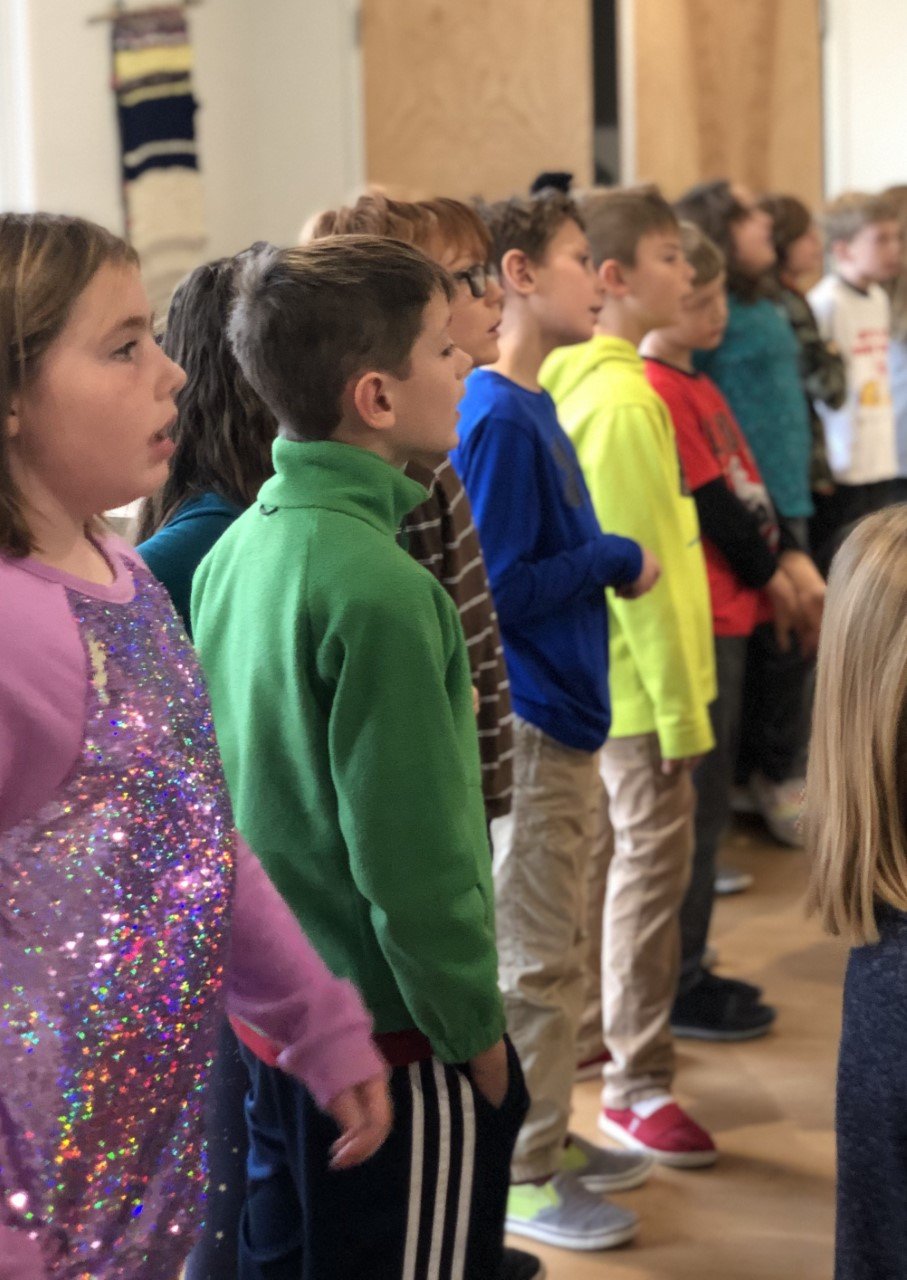
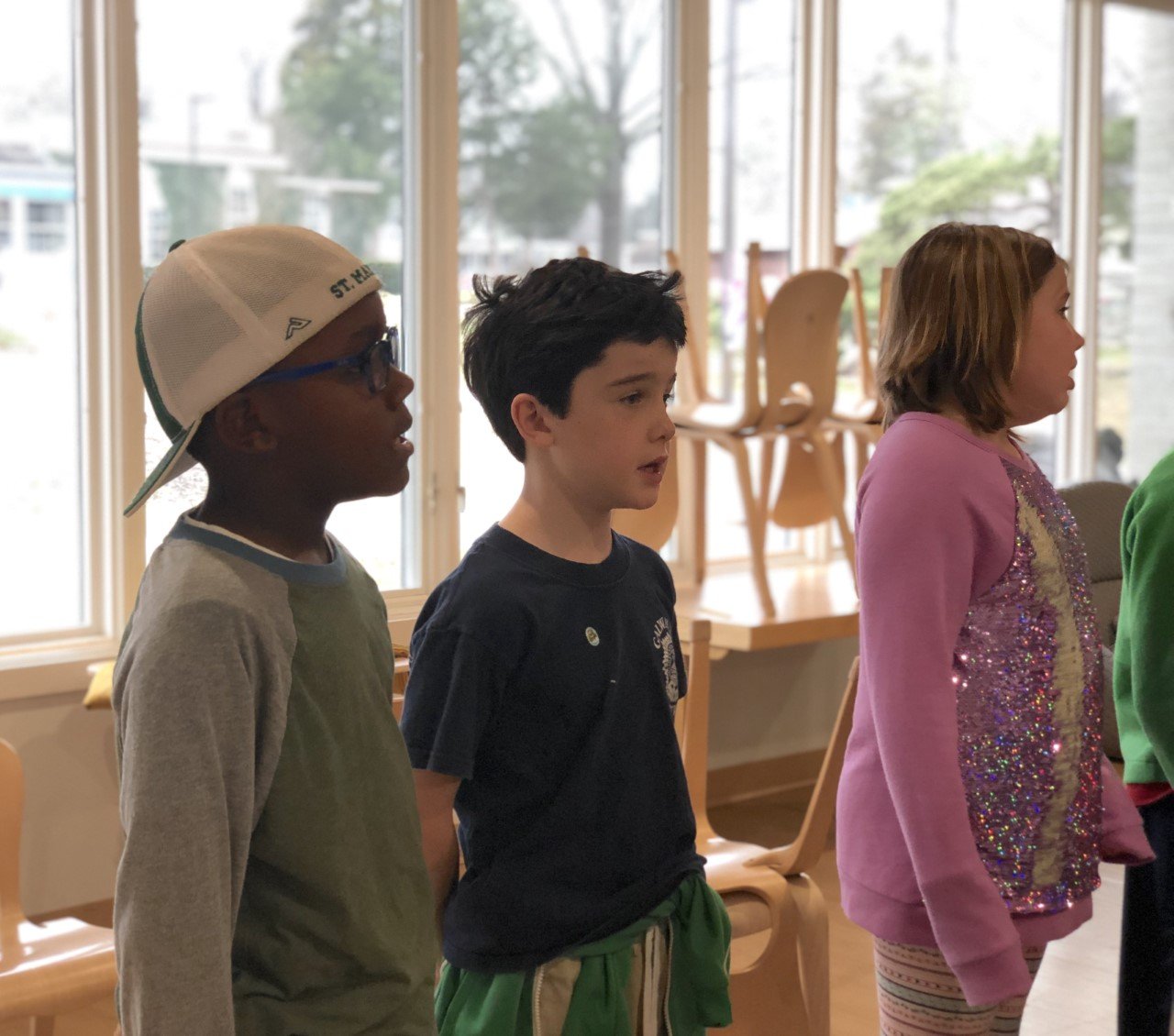
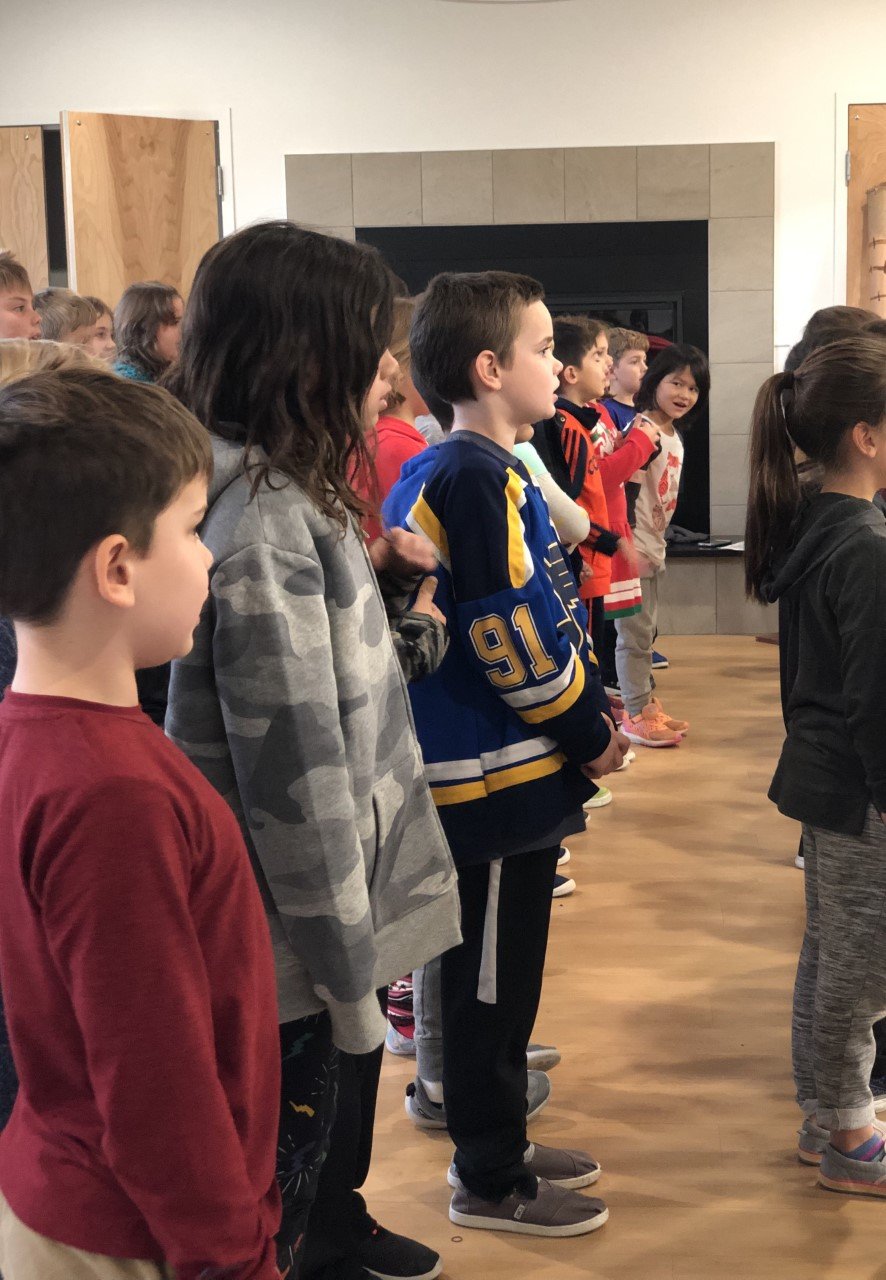
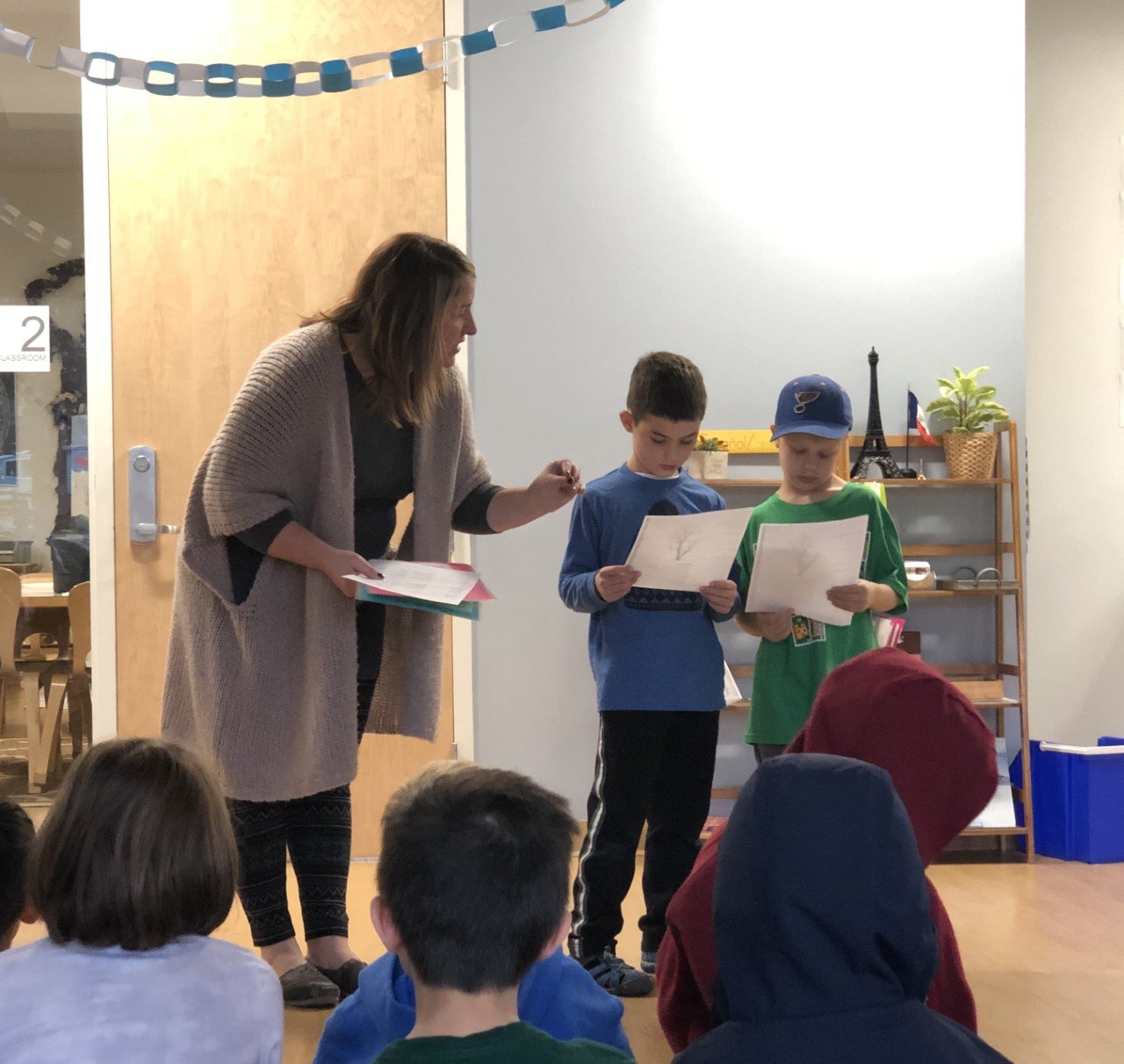
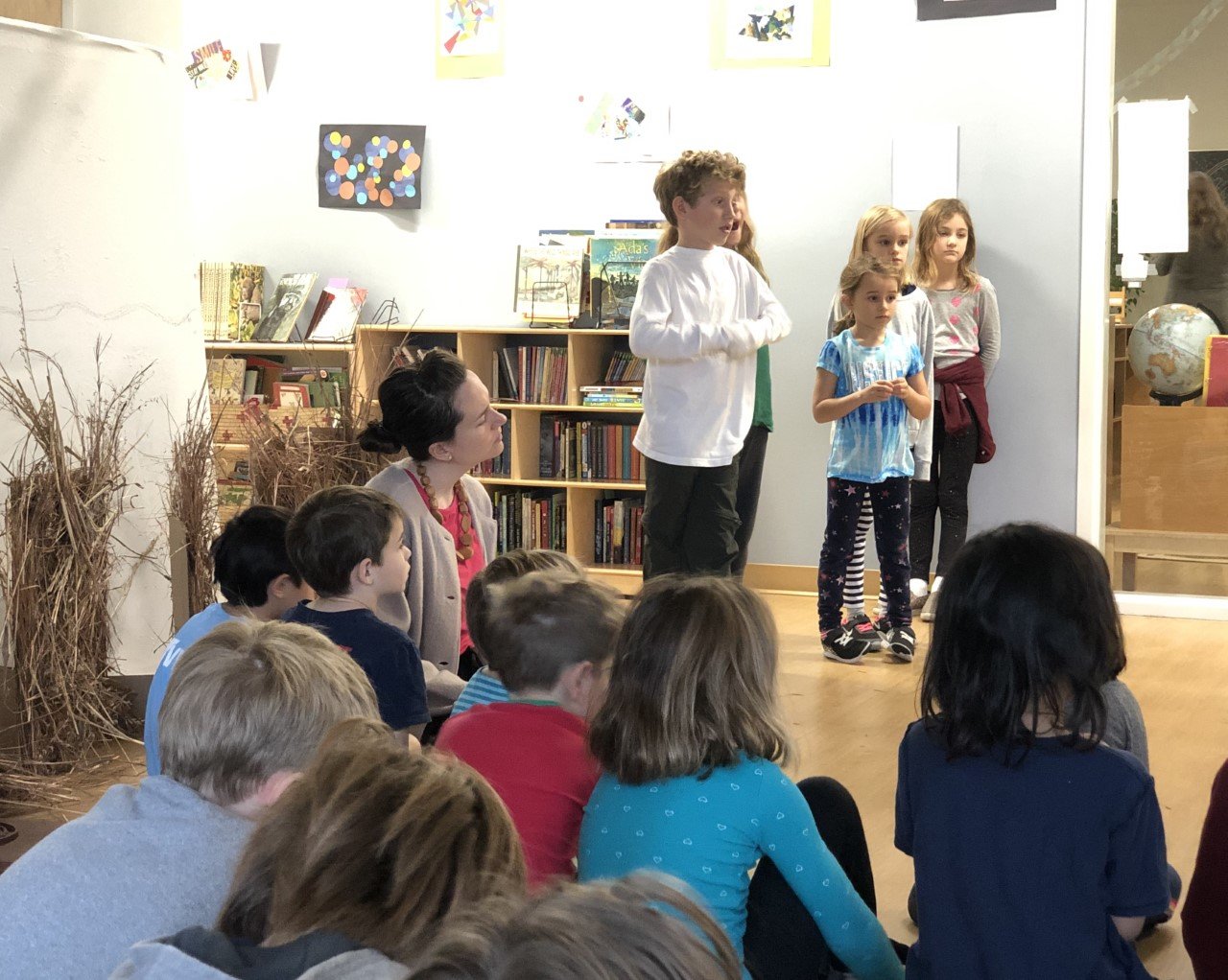


 Singing is a natural part of childhood. Most babies are surrounded by it, with parents and grandparents singing to them and music playing in our cars and homes. As children get older, they begin to play song games—they learn the alphabet and how to find their heads, shoulders, knees and toes. They begin to sing along at birthdays and holidays. They begin to make up songs, to dance and play with music. In school, they learn new songs and how to sing in groups. And as they grow into big kids, they ask you turn up the volume in the car for a Taylor Swift sing-along (if you're lucky!).
 At Villa di Maria, singing is woven into our curriculum at every level—it is a common (and lovely) experience to hear songs coming from our classrooms. And while nothing beats the joyous sounds of children's voices, the real value in singing is not something we can hear at all; the real value is what's happening inside the brain.When we sing, our brains are exercising the auditory and visual pathways, processing language, controlling our vocal cords for pitch, regulating our breathing, accessing memory, recognizing and using patterns, tapping into motor control structures for rhythm, expressing personality and creativity and releasing endorphins. All of these things are happening at the same time when we sing—it is a top-to-bottom workout for the brain.Children especially benefit from this multitasking because their brains are growing and learning. In just a few songs, children learn new vocabulary and rhyming. They practice listening and following directions. They learn to enunciate and control the volume of their voices. They concentrate and memorize. They work together to sing in unison or in rounds. They exercise their imaginations and express themselves. Singing also offers the opportunity to practice posture and body-control.And there's something else: when children sing to perform, they build confidence. They learn that their voices can be powerful and beautiful. They learn to take take pride in themselves and their creativity. This benefits not only the children themselves, but also those of us who are lucky enough to be in their audience and in their lives.
 Here at VdM, we have two formal performances, our Winter and Spring Concerts. Tomorrow, we'll peek in on our Children's House singers as they prepare for the upcoming Winter Concert. Stay tuned! Sources and suggested reading:Music, Language, and the Brain by Aniruddh D. PatelThe Singing Neanderthals: The Origins of Music, Language, Mind and Body by Steven Mithen