Cultivating Gratitude and Generosity in the Children's House

This time of year many of us find ourselves struggling to keep a hold of gratitude and generosity; they slip so easily out of our daily lives when things get hectic. The holidays give us the opportunity to renew these virtues by actively practicing them with our families and friends. We voice what we're grateful for and remind our children to say their pleases and thank-yous. We send cards or letters, give and receive gifts and keep our people in our thoughts. We exercise the gratitude and generosity muscles with the ultimate goal that they stay with us always.
For our youngest children, the concepts—the abstract ideas—of gratitude and generosity are still out of reach because they are concrete, literal thinkers. So, how do we teach them? In the Villa di Maria Children's Houses, our guides lay the groundwork for gratitude and generosity through grace and courtesy.
It is not necessary for them to possess the ability to consider abstract concepts. The child begins at birth to become a citizen. They are working to become human beings of the community. It is our responsibility to offer them the best example of being good citizens of the world.
Reghan McAuley, P1 Children's House Guide
Guide Reghan McAuley from our P1 Children's House explains, "The young child, 0 – 6, is observing, absorbing and self-constructing continuously. This is their work in the first plane of development. The child simply absorbs all aspects of their environment without bias, discrimination or ability to filter. They absorb and take in how to be among others in a group through the amazing powers of the mind. The child learns This is how we do here. Therefore, it is essential that we, the adults in their lives, always model optimal grace-and-courtesies of the child’s culture. The child 100% absorbs these grace-and-courtesies. It is not necessary for them to possess the ability to consider abstract concepts. The child begins at birth to become a citizen. They are working to become human beings of the community. It is our responsibility to offer them the best example of being good citizens of the world."

Exercises in grace and courtesy are part of the Montessori practical life curriculum. These are lessons to help children become aware of the other people in their surroundings. They learn how to greet someone with a handshake and eye contact, how to ask for a turn with a material that's being used, what to say and do when they have accidentally (or otherwise) hurt a friend, and how to introduce themselves. These lessons give young children tools they need to interact respectfully with the people in their lives.
And since we want our children to not just exercise behaviors of grace and courtesy, but to learn how to live with these virtues in their lives, our Children's House guides and assistants also consistently model kind, gracious, courteous and respectful behaviors. In fact, all of the adults at VdM strive to treat all of the children with respect and kindness. Mind you, this is not a difficult thing to do—these children are interesting, funny, thoughtful, serious, kind, loud, quiet... they are amazing children on their way to becoming amazing grown-ups. We have genuine affection and respect for each of them.


By simply being kind and respectful to each other and our children—by practicing grace and courtesy ourselves—we are modeling what it means to be kind and respectful people. For the youngest child, the absorbed, learned behaviors might just start as imitation; the child says "thank you" because she hears us say it. But over time, the behaviors become a practice, a way of relating to people in her world.
Then, as children get older and begin to ask why, they begin to link the behaviors of grace and courtesy to the abstract concepts. They begin to reason out the significance of showing respect to the people in their lives. They learn empathy and understanding. Grace and courtesy, gratitude and generosity, become things they can feel and experience, a part of their social and emotional development as they move toward adulthood. The solid groundwork of grace and courtesy they've received in the Children's House strengthens this development, gives children a sort of muscle memory for kind and respectful behaviors, so they can concentrate on the hard work of internalizing the concepts.

At Villa di Maria. we are fortunate to watch the evolution of grace and courtesy in our children as they move from the earliest years in the Children's House toward Elementary, from the first to the second plane of development. As they grow, they instinctively begin to take on the role of modeling kindness and respect for their younger classmates. It is a virtuous cycle and a beautiful thing to see.


 Yesterday, our Children’s House extended day children took their first field trip of the year. Dressed in their most special concert-going attire, they headed to


 The children heard ballads from Revolutionary America, Southern gospels, "cowboy songs" and 20th century folk music. And they did some other very exciting and important things: they explored their world by visiting one of St. Louis' cultural gems; they practiced grace and courtesy when they filed quietly through the doors of the concert hall and into their seats in the auditorium; they engaged their curiosity when new instruments and melodies were on the stage; they grew their vocabularies when they listened to the discussions. (And did I mention, they rode on a genuine yellow school bus?)


 As they move toward elementary, these children are starting to explore their roles in relation to the greater world. Big work, friends. High five!
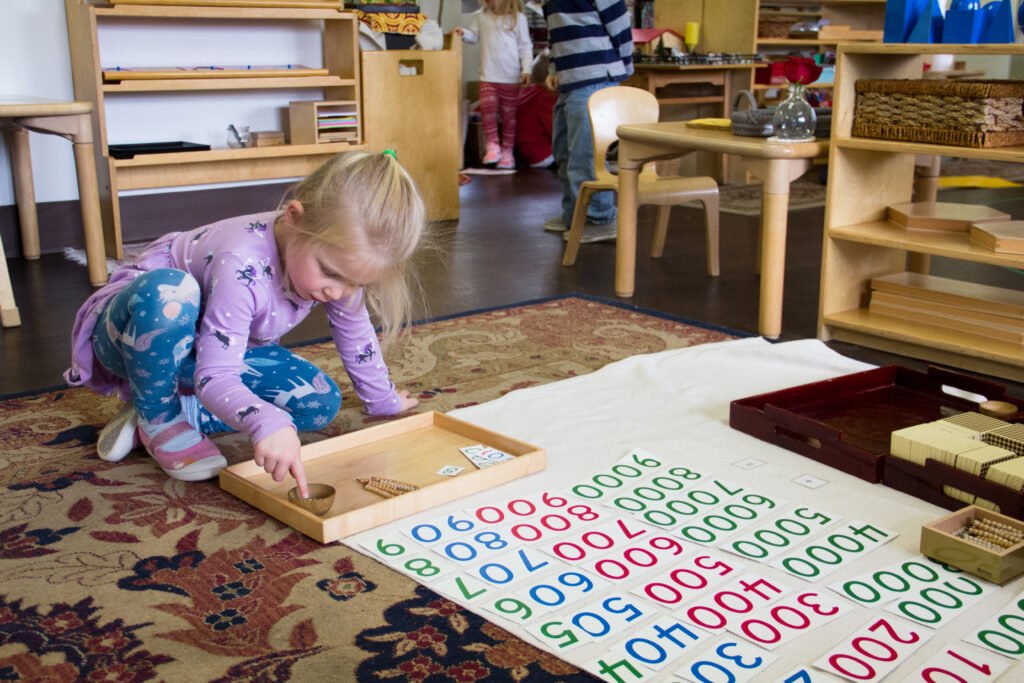
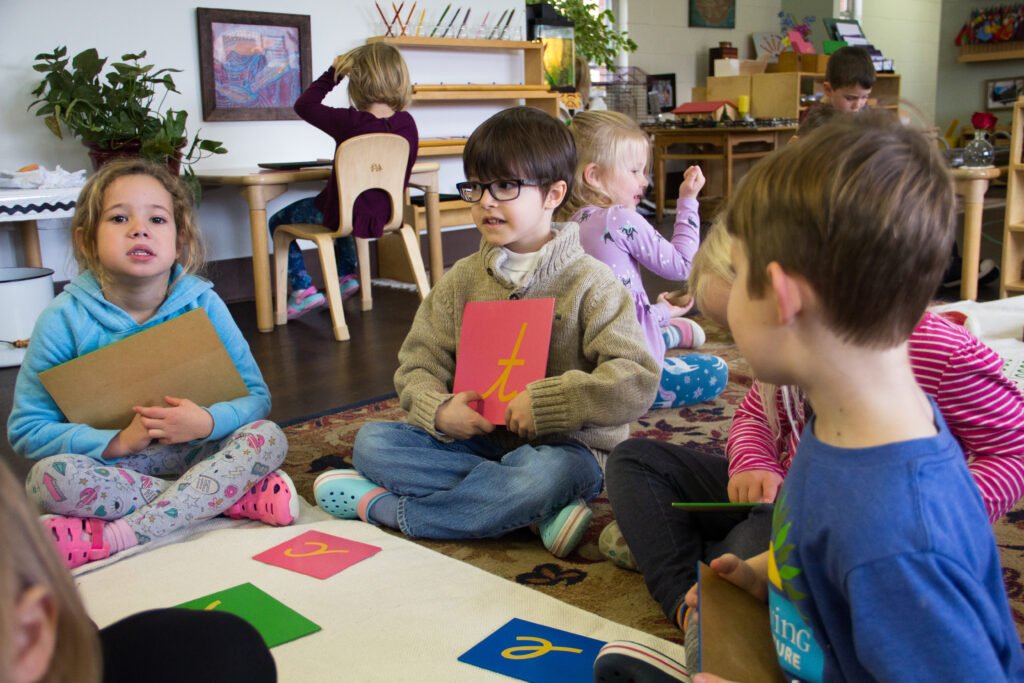
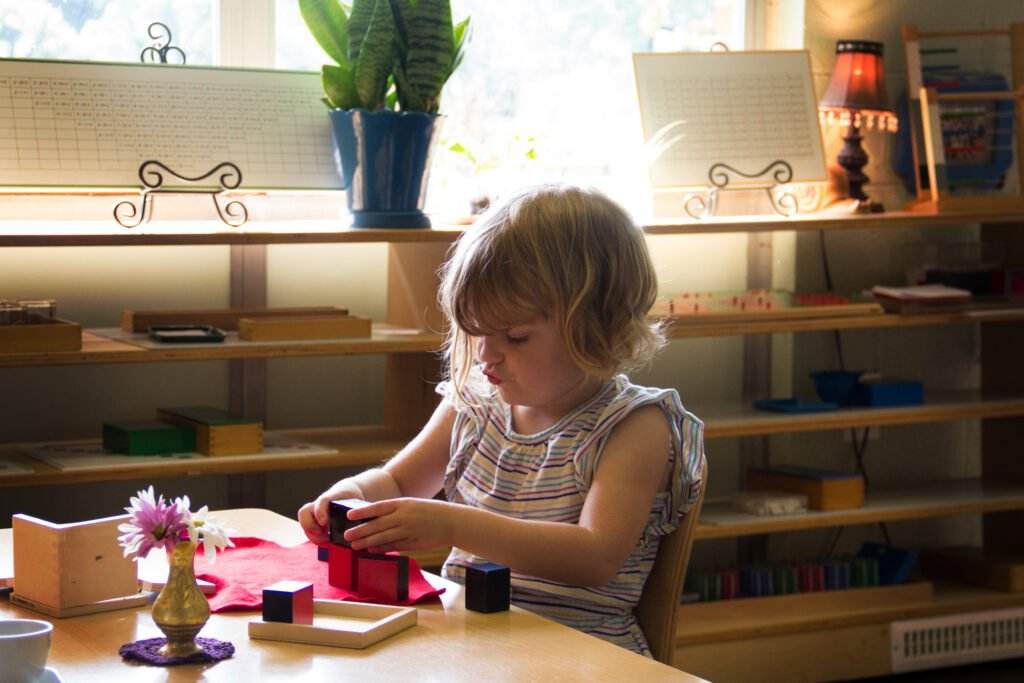
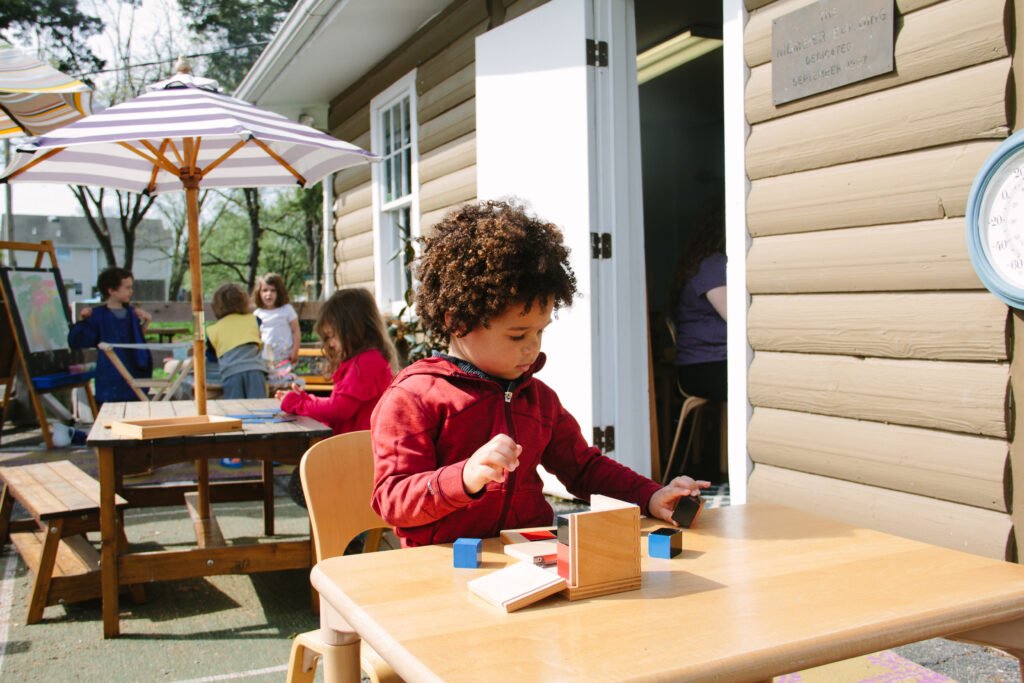
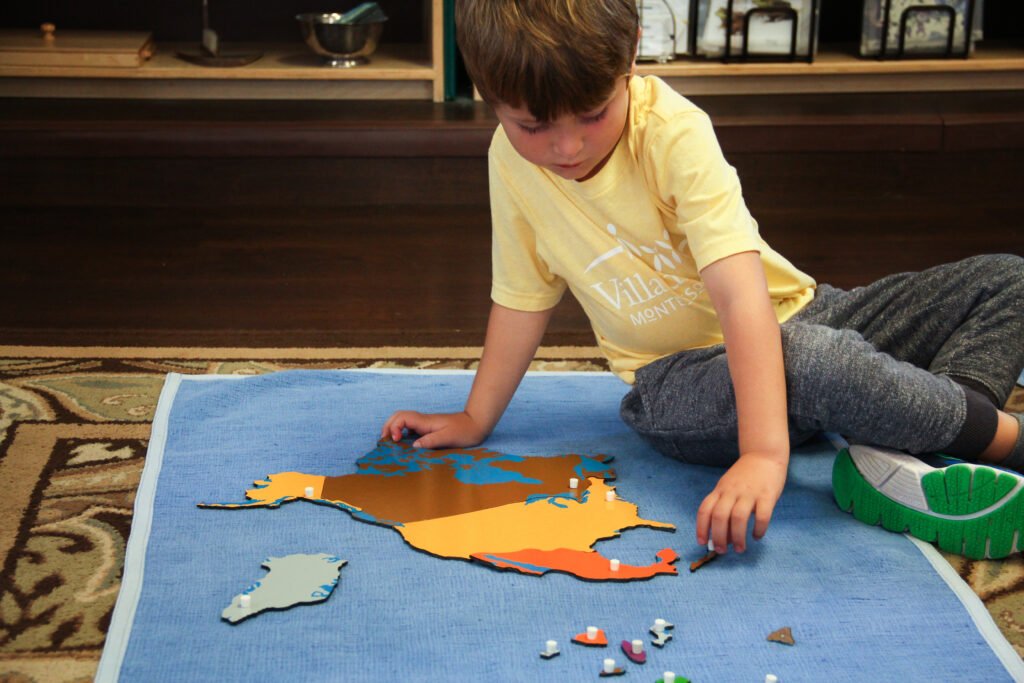
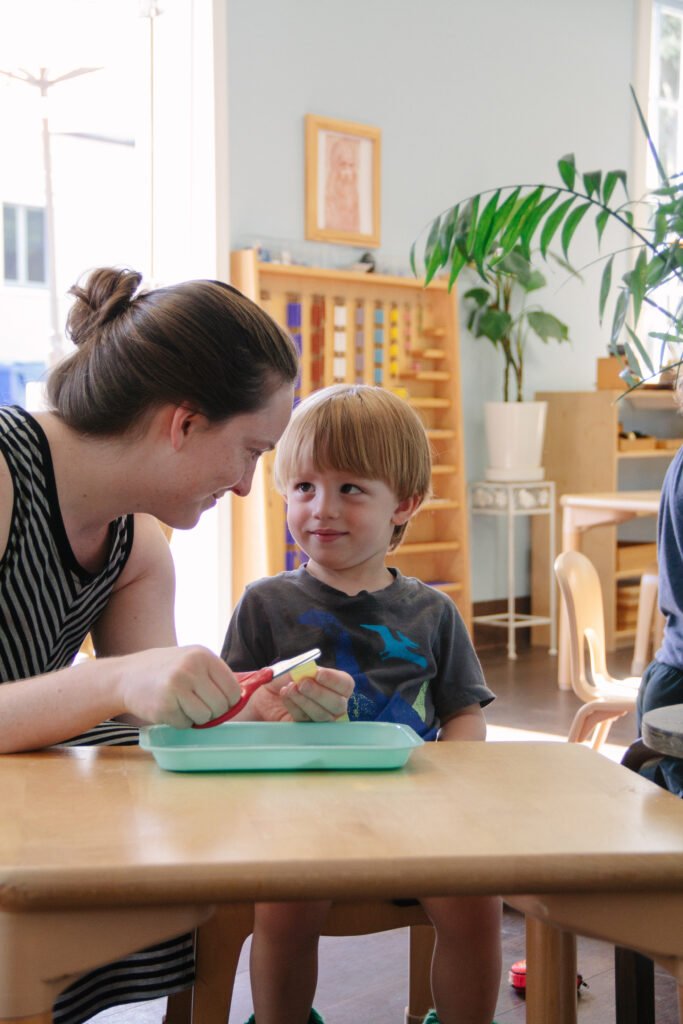
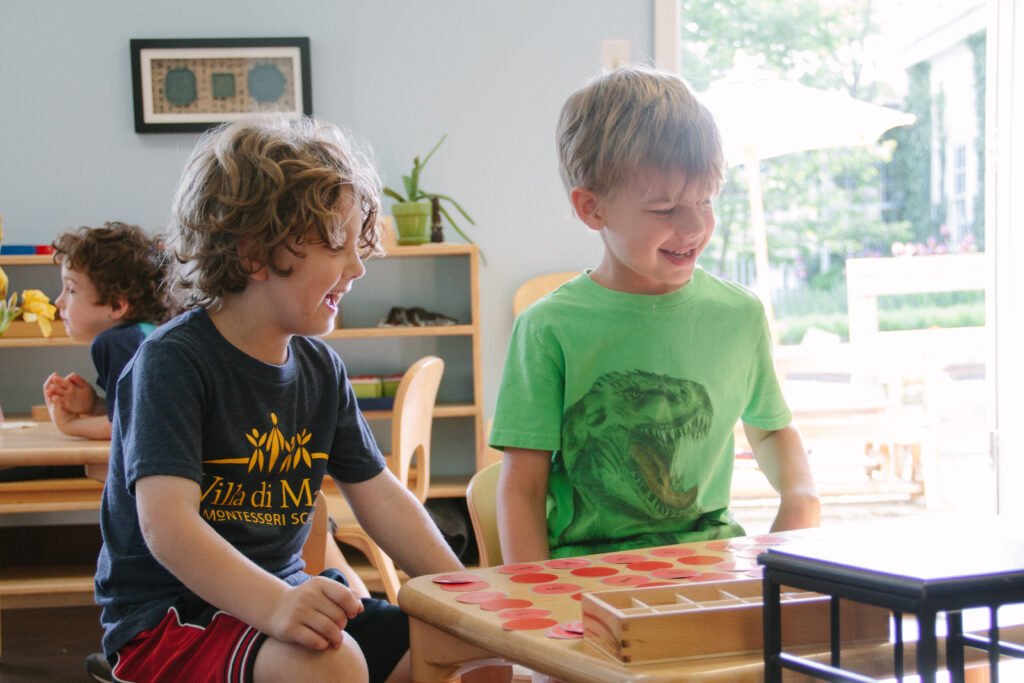
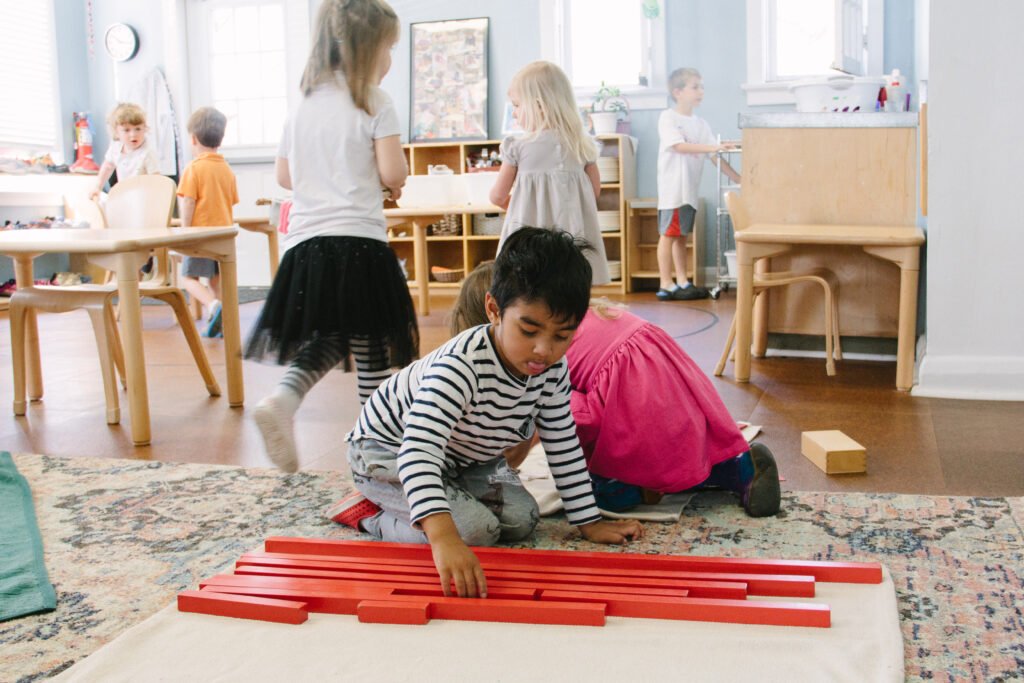
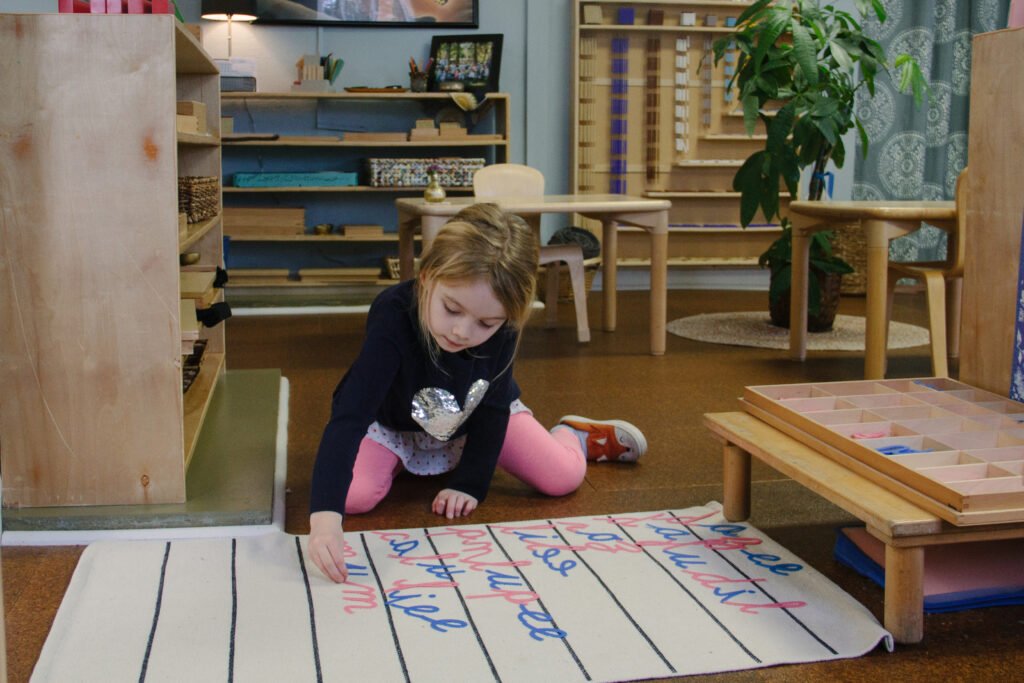

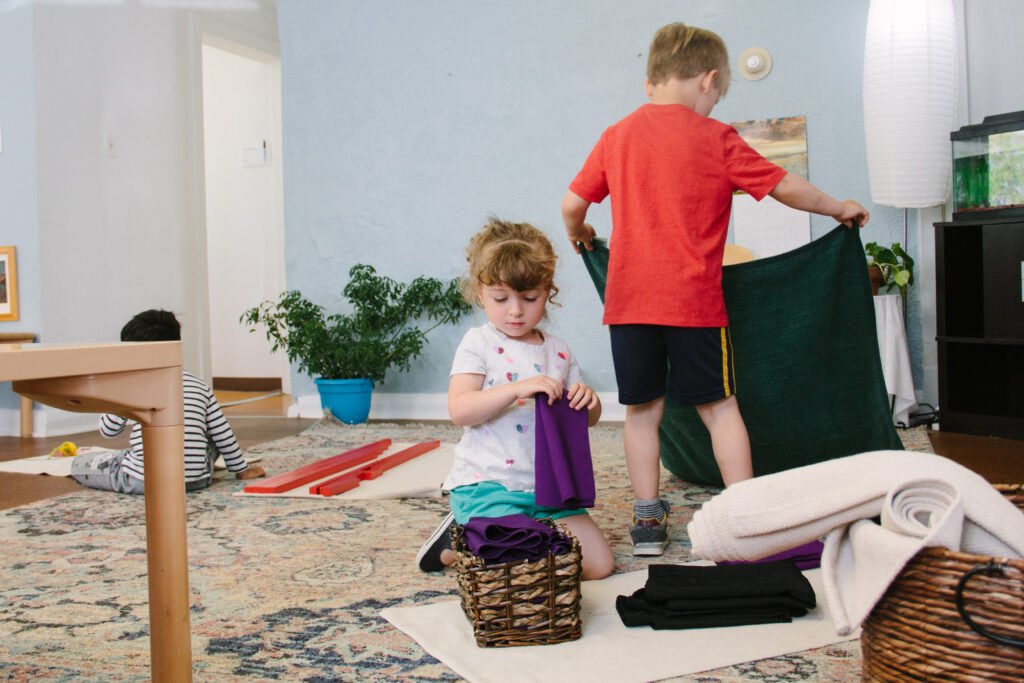
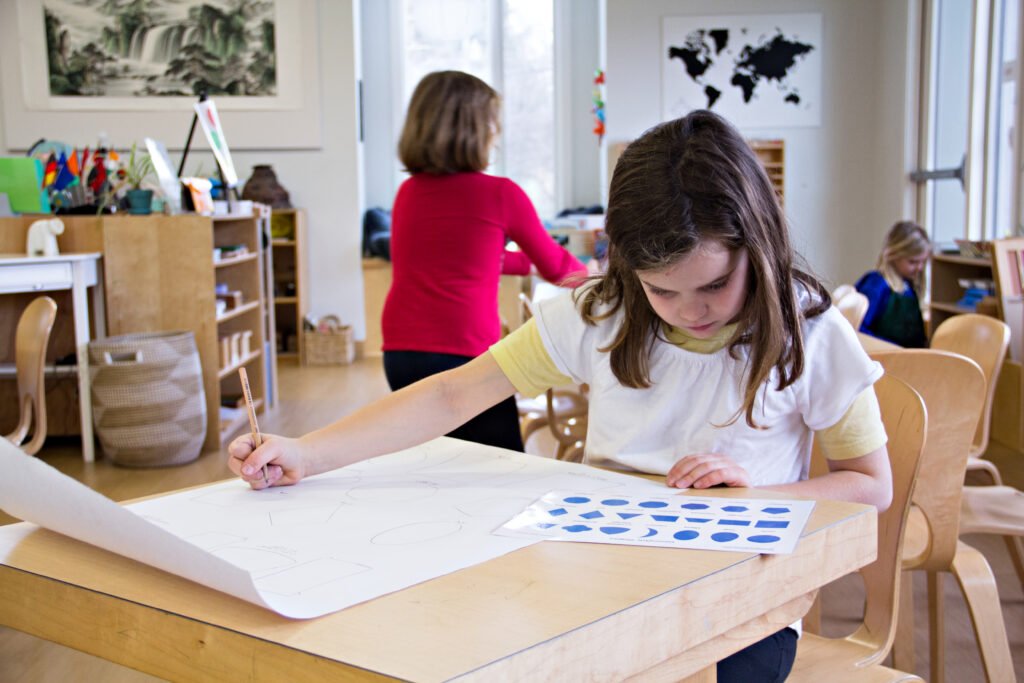
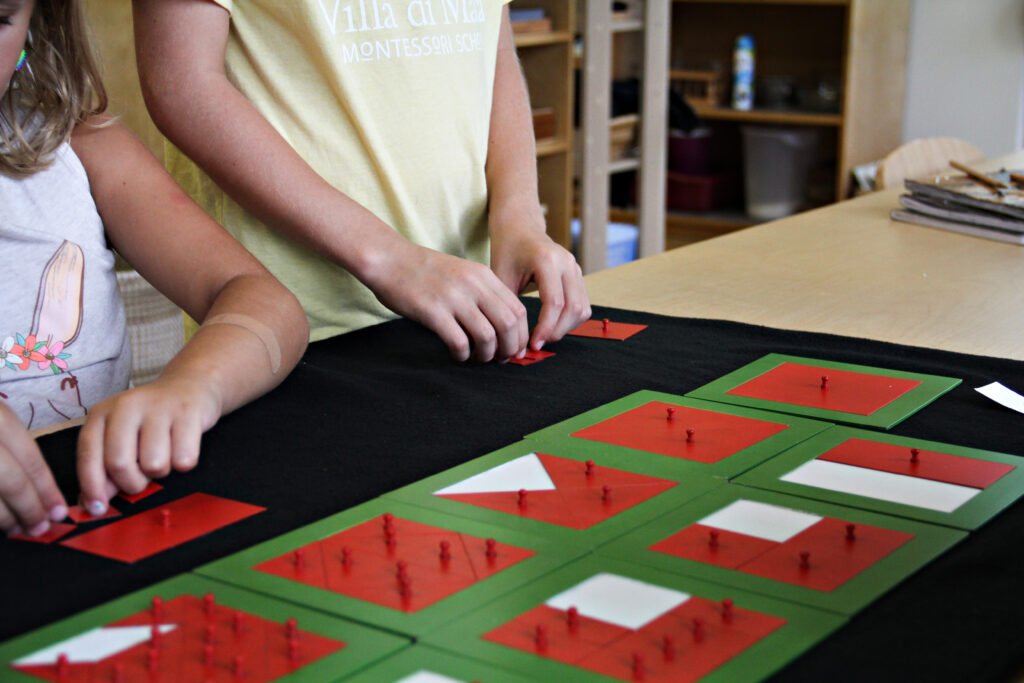
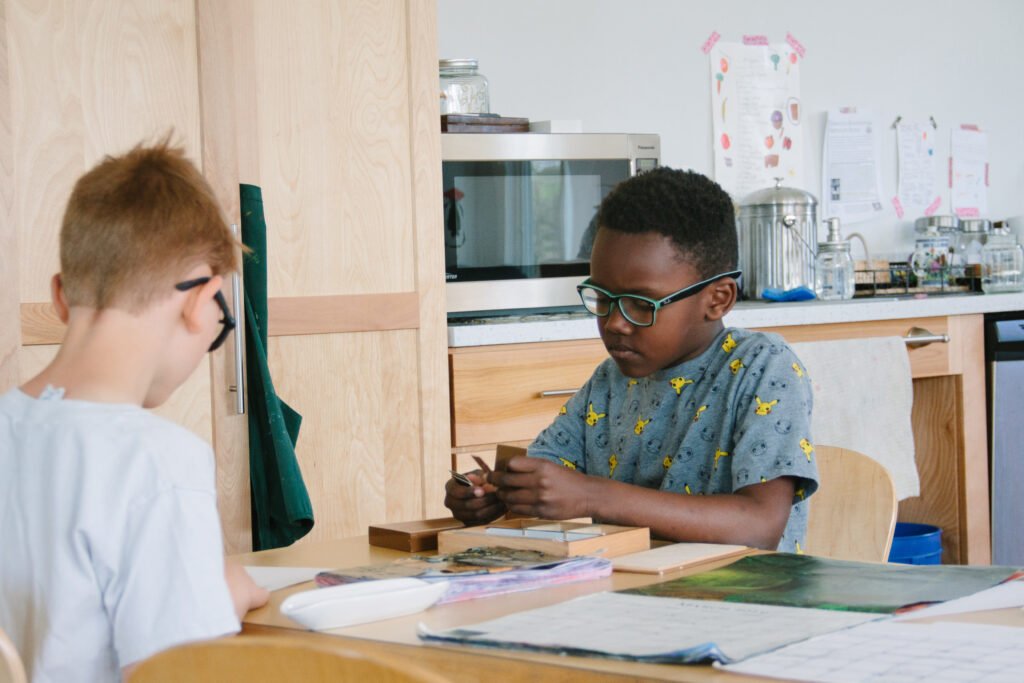
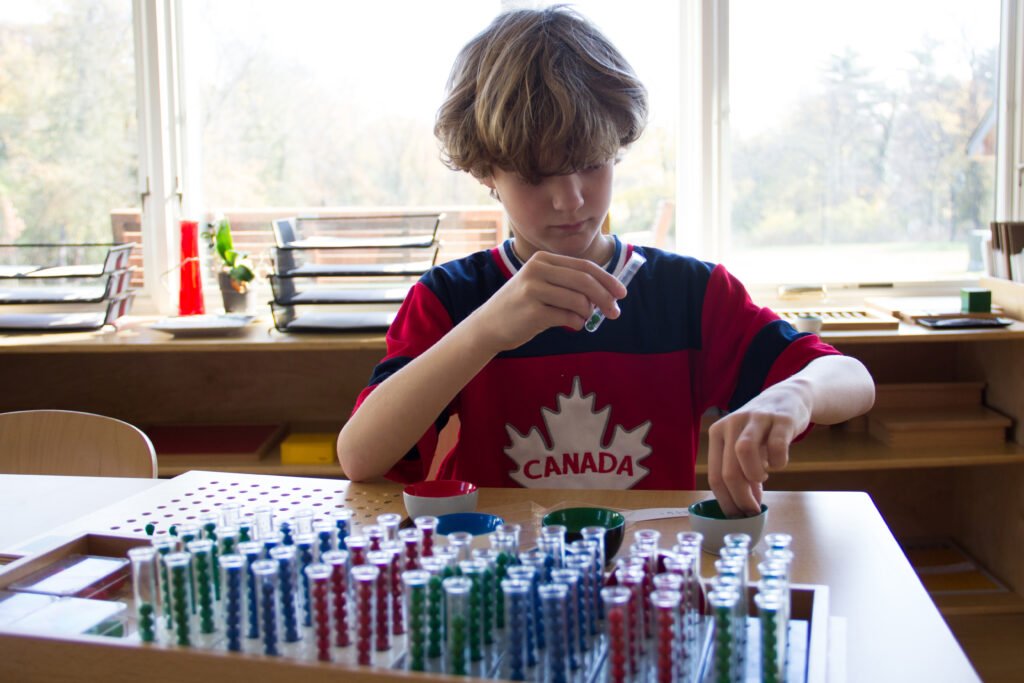
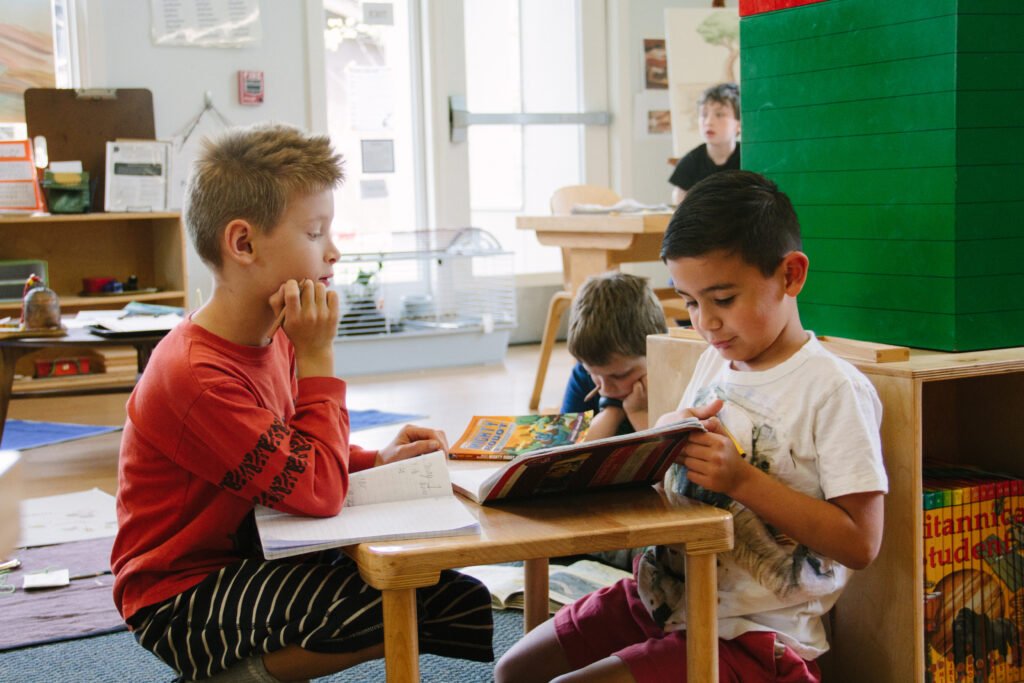
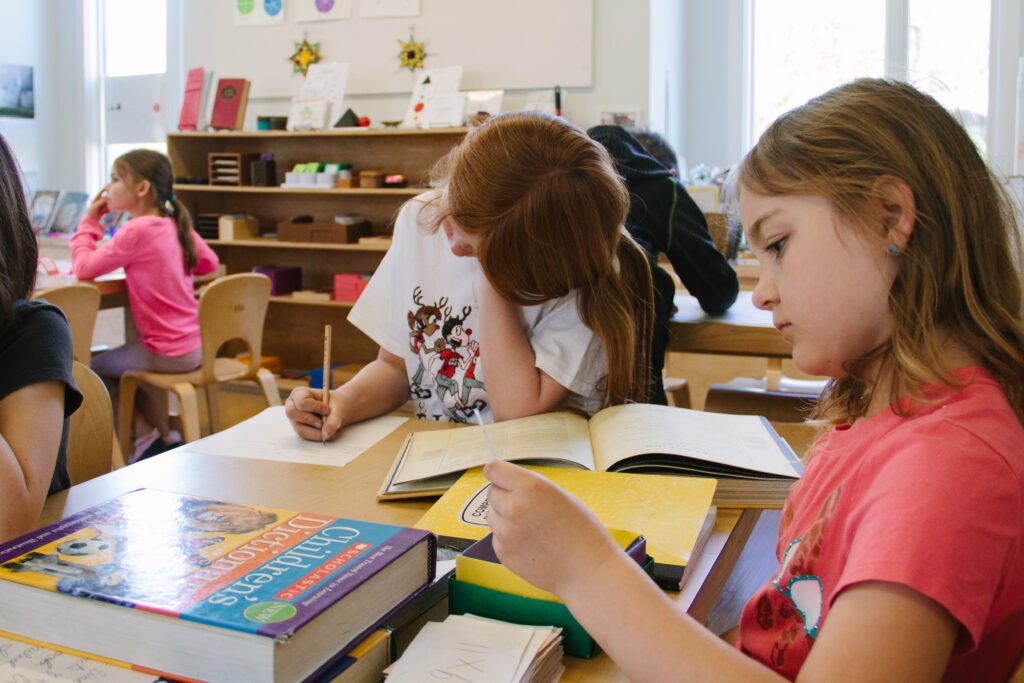

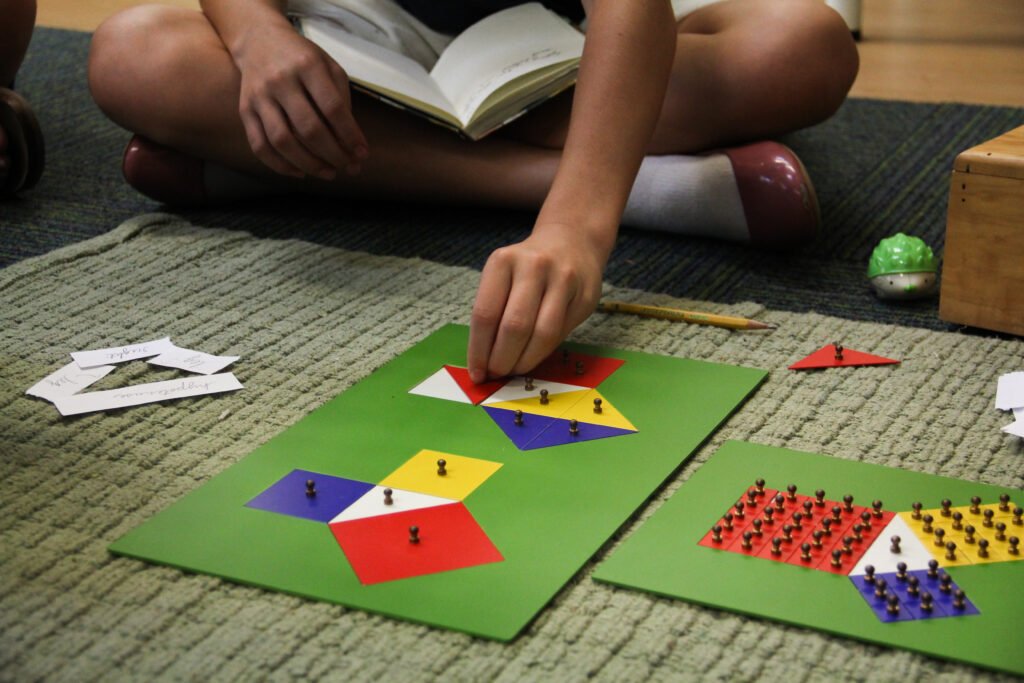 Happy summer and here's to 2019-2020!
 For all you parents who take home bunches and bunches of rolled up easel paintings… For those who adore them… For those who wonder what to do with a giant sheet of paper with random blue lines on it…Rest assured, Easel Painting is not presented as painting a picture and producing a picture is not the point of the lesson. This is a lesson that pulls together many of the skills from Practical Life work (think: pouring, folding, scrubbing). Painting is appealing to children and pulls them into practicing all of these wonderful practical life skills.


 Easel Painting is an engaging and attractive gross motor activity. Children often start by making lines or swirls, some fill every inch of the paper. The big cross body movements that can be done while painting on a large easel engage both hemispheres of the brain.
 Assistant Head of School, Robyn Milos shares, "for children it's always about the process, not the product. After the painting is hung up to dry, the child often forgets about it, because that's when they start the detailed work of cleaning up. The process of setting up the clean-up work, washing the easel, going on a hunt for all the drips of paint, and then pouring out, rinsing the bowl, cleaning the basin….”She continues, “The bulk of the benefit for the child comes in the clean-up process. Some children clean the easel with the same motions used for scrubbing a table. Some do it as a science experiment, watching how the water dries on the easel and writing on the dry easel with a wet sponge. You often see the true concentration happening during clean-up.”
 So, when your child’s guide hands you that bunch of easel paintings at the end of the year, smile and think of the work and concentration represented in these crunchy, sometimes difficult to unroll paintings.Melinda, these pictures paint a picture themselves. Thank you! Robyn, thank you for sharing your insights and experience!
 In Montessori we talk a lot about individuality. Children working at their own pace, children being met where they are, children learning through topics that interest them... But, collaboration is vital to any community's success and a crucial life skill for individuals.
 Opportunities to practice teamwork - hand in hand with opportunities to practice negotiating the difficulties that can arise when working with others - are omnipresent in the Montessori environment. These experiences and the tools that children gain from them, prepare children for life beyond school.


 From carrying heavy objects to research to experiments, teamwork makes the dream work! We know this for our children, and we see it in our greater Villa di Maria community. Thank you for being part of our team!Photo credit to Jessie Braud and Melinda Smith.
 Ingredients are gathered and added to the bowl.

 Everything is carefully mixed together.

 Scraping the spoon to get all the dough possible to work with!


 Kneading...
 Cutting out the biscuits.


 Biscuits are then baked (with adult help!) and are ready to be enjoyed. Thank you Ms. McAuley for sharing your biscuit making lesson with us!Thank you Melinda for sharing your photos which so perfectly tell the story of baking in the Children's House.


 Here's hoping we all get the chance to get dirty and plant with our children!
 This past weekend, however, parents had the opportunity to see the classroom in a whole new way. They explored the classroom without children, turning their focus on the materials themselves. The weekend provided a time lapse of all Villa di Maria offers, introducing parents to work of young children through the work of the Upper Elementary children.
 After silently walking through a classroom from each level (Parent Child, Children's House, Lower Elementary, Upper Elementary) and taking time to discuss as a group what they noticed in each of the classrooms, parents were invited to explore the environments more fully.Materials were laid out with instructions so that the parents could explore the work and follow the steps a child would follow doing the work. Other work was introduced through lessons. It's a real treat at any age to receive a lesson from a Guide!
 While adults can't have the same experience that children have in the prepared environments, this is about as close as we can get to recreating our children's experience.


 Parents left with a newfound appreciation for the work their children do at school, commenting that they would now go through their children's work folders with reverence.On the experience, one parent shared, "The objective is to experience the gift we are giving our children, and increasing our own understanding of the Montessori way. Seeing how the "lessons" have layers of concepts and teachings that take years to peel back. At the end, just when you think you "get it," like a great novel, you realize that all the activities are interconnected in a symphony of learning, spanning from when the children enter, to when they leave. Yep, you missed it the first time through. It's so subtle, you can't really explain it. How would you explain Mozart to someone who's never heard it?"This opportunity is made available once a year. If you missed it this time, look out for it next year; it's well worth your time!Thanks to Jade Venditte for sharing pictures, to the staff and supporters of Villa di Maria for making this happen and to the parents who took a chunk of their time to understand more fully what they are giving their children with the gift of Montessori.

 While everyone made the most of the snow and cold weather, the warmer weather is beyond welcome!
 Extended Day is enjoying their treat of playing in the tree just outside the playground. This is a magical place... just beginning to move from the Children's House playground but not quite to the Elementary space.

 Forts continue to be built and rebuilt.
 Appropriately, this fort is building a patio! Who doesn't want to spend a Spring day on the patio?
 Stone gathering for the patio.
 There are pretty high standards for the sticks used in some of the forts!
 Epic games of Ultimate Frisbee are underway.

 And lots and lots of tree climbing!
 Spring will continue to be enjoyed in all of its states so make sure your child has a change of clothes (Elementary as well as Children House - these children play hard in the mud!), boots and raincoats when appropriate. Happy Spring!


 The younger children were then invited to a sensorial experience of the drums at hand!
 The bus trip is admittedly always a highlight of these adventures.
 The performance itself received rave reviews from children and adults alike!

 Children and adults from each class were invited to join the group on stage to learn a dance.

 What a morning for our Extended Day children!
 While Extended Day children boarded buses back to school, the Elementary children continued their adventure with a trip to Ikea for lunch! This was a real Practical Life work - managing money, choosing items, navigating the cafeteria and of course eating with friends!

 Melinda Smith shared the joy of the day with us through her photographs. Thank you Melinda!


 As usual, Melinda Smith brings light to the darkness. Thank you for the photographs, Melinda.
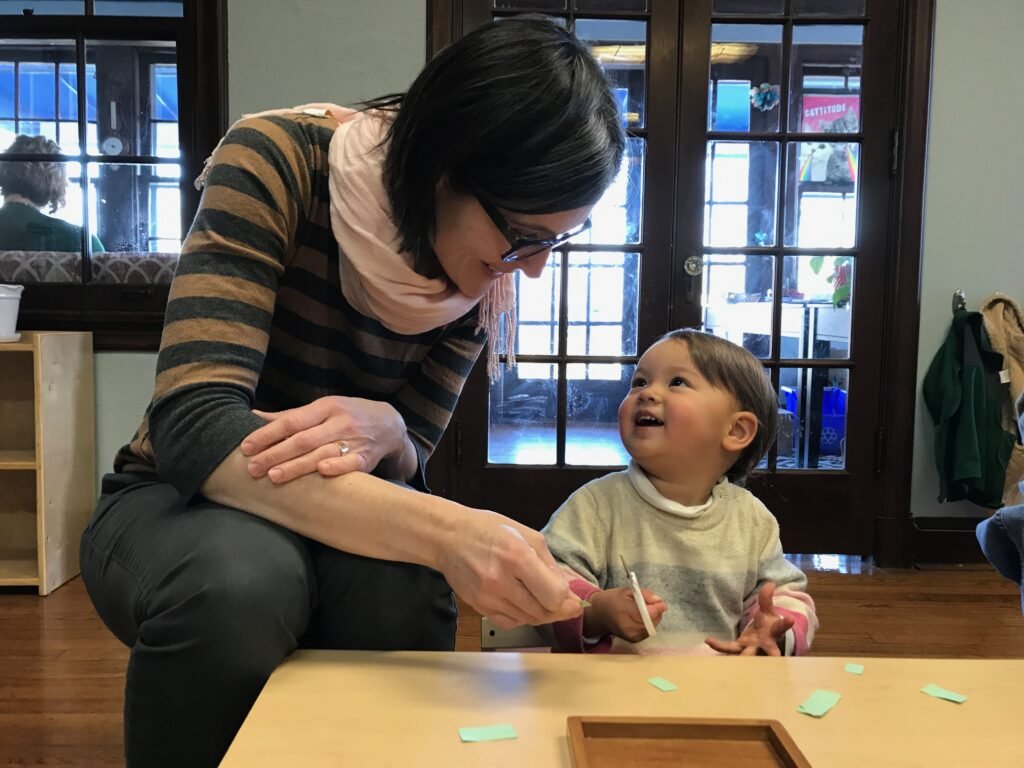
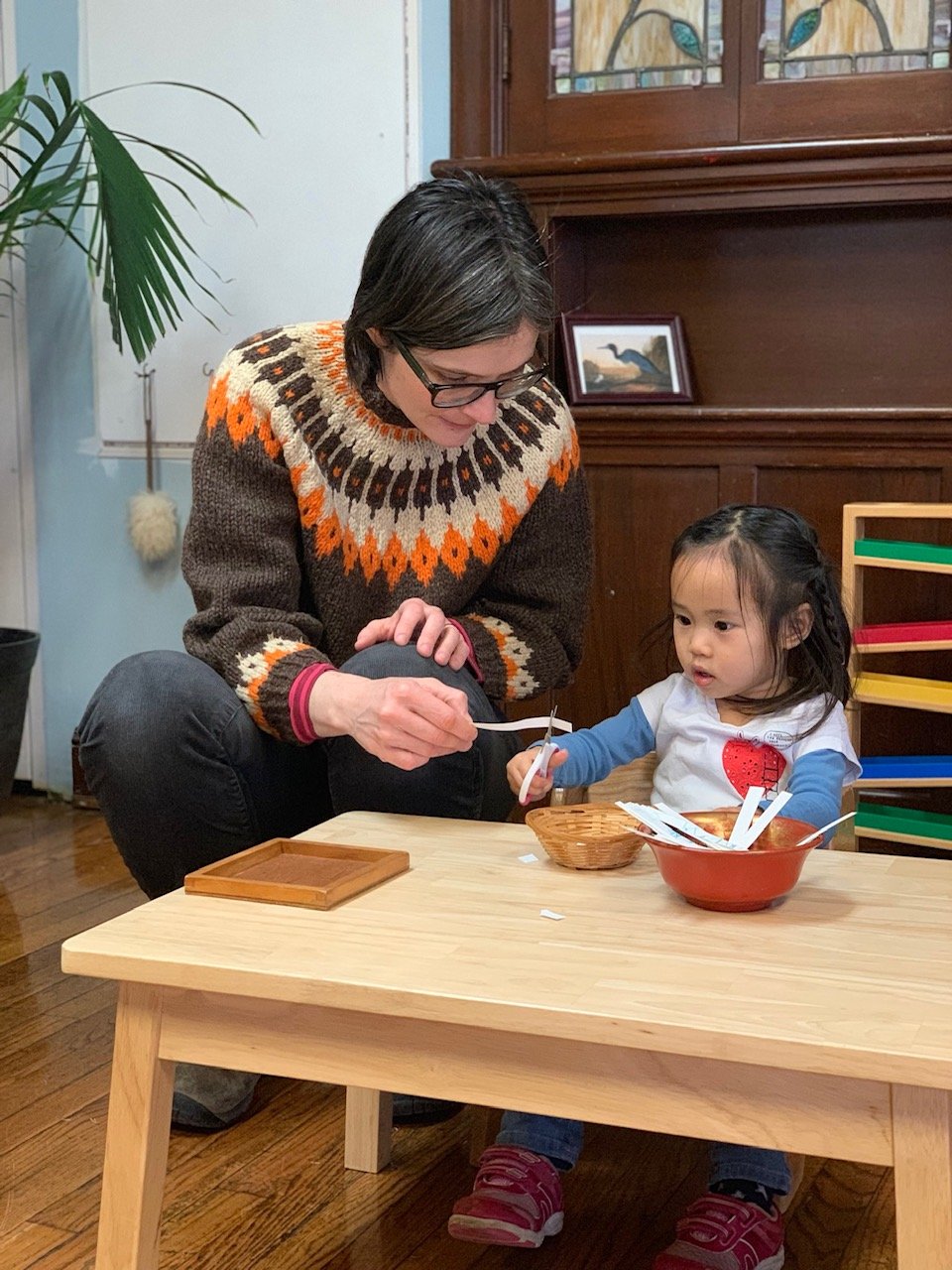
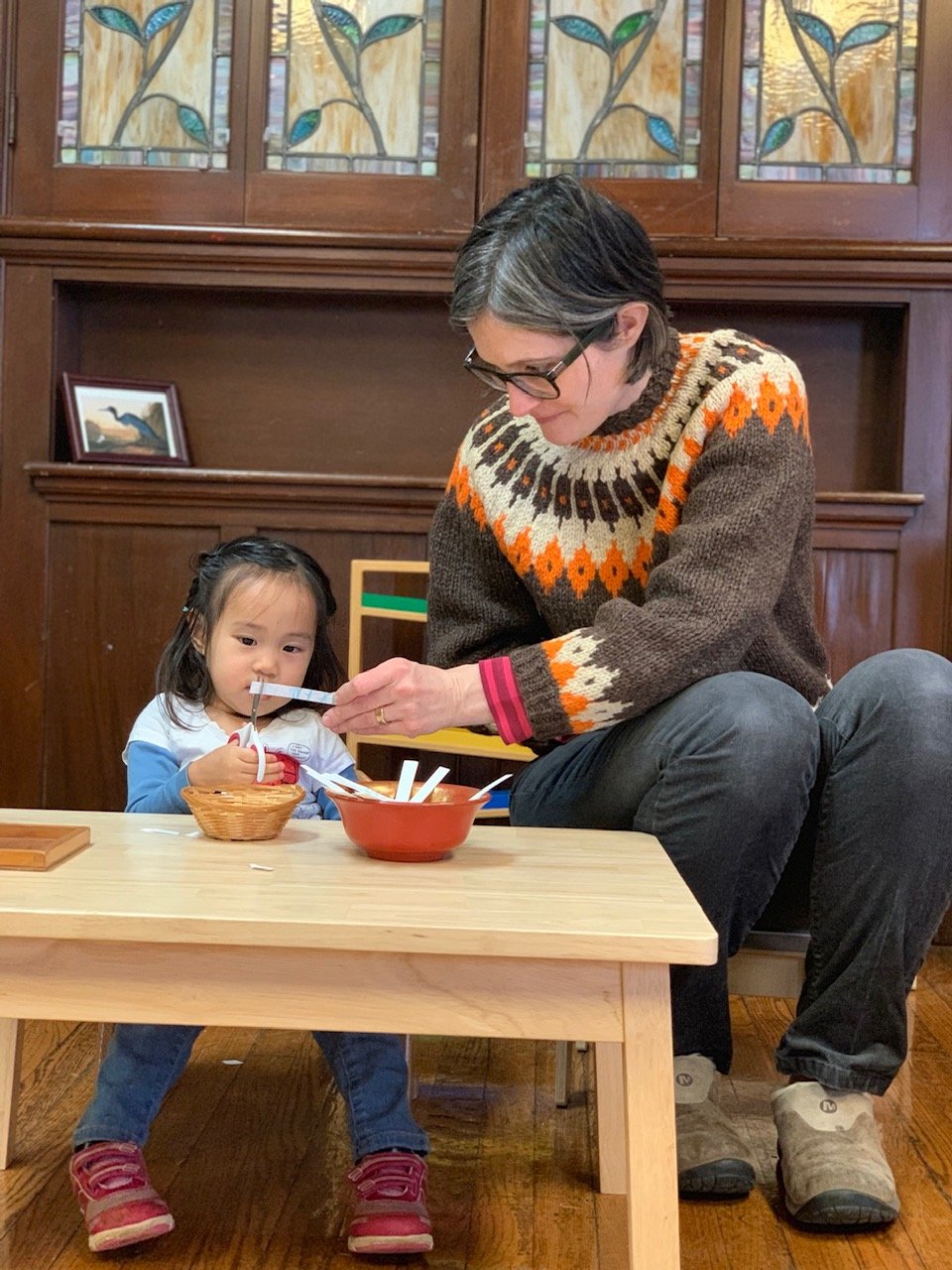
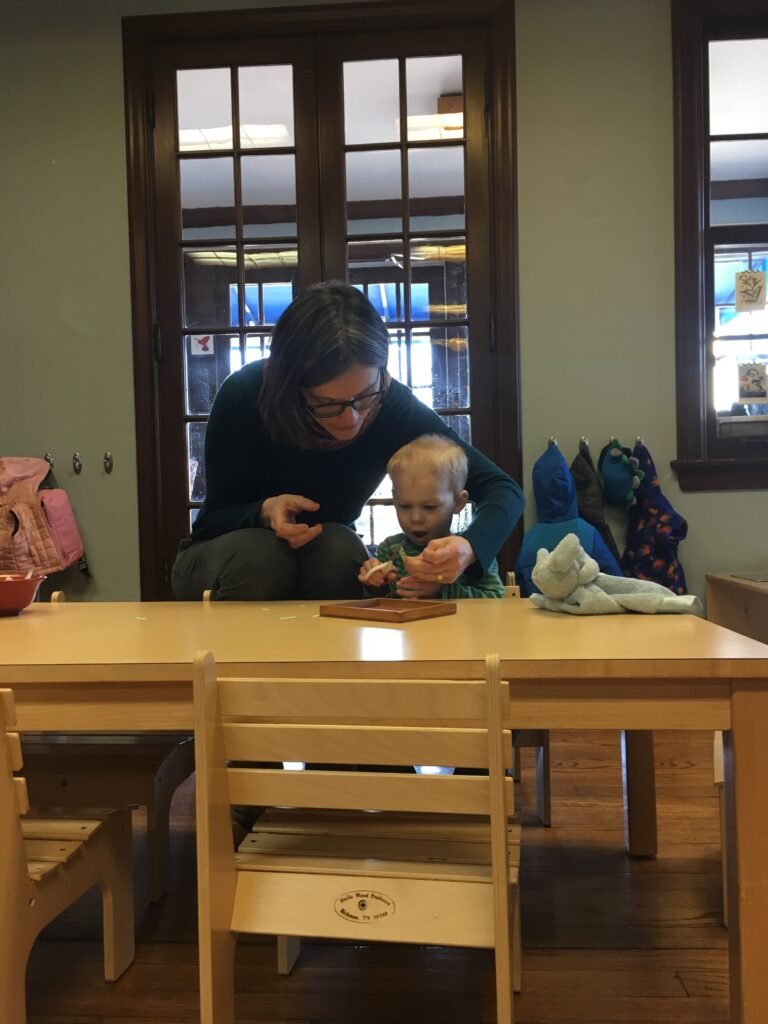


 We are so lucky that our campus allows for sledding! Elementary children bring their sleds and take off with their friends on our (moderate!) hill.
 A first year child's first experience of this Elementary privilege.
 There are outdoor attire rules... I'm guessing the child's hood just flew off mid-sledding...


 Teamwork makes the dream work!
 Recess is, of course, fun and provides lots of time for the gross motor movement and is so great for children. But, this movement is not limited to recess, and the snow and cold doesn't stop the children from getting their work done.
 "The child’s instinct confirms the fact that work is an inherent tendency in human nature; it is the characteristic instinct of the human race.” -Dr. MontessoriLet me once again proclaim the photographic brilliance of Melinda Smith! Thank you, Melinda!
 Tuesday and Wednesday of last week Villa di Maria was fortunate to host actor Erika Roberts from the Missouri History Museum's ACTivist program. She graced us with four sessions individually tailored toward our Extended Day through Upper Elementary children. She subtly shifted the depth of each presentation based on the age of the children.The session began with discussion and acceptance of Brave Space Rules, including refraining from assuming other people's thoughts or feelings and using "I statements" when speaking.
 Erika then moved the students on to a discussion around rights, particularly civil rights. The ACTivist program defines rights as "things that we are all allowed, or should all be allowed, to do. Rights are important for human beings to have to make sure we are happy and healthy and treated fairly." The children deftly identified some of their own rights and Erika adeptly clarified the distinction between rights and privileges. The next step was to define civil rights, this narrowing led civil rights being defined as "the rights that we have because we’re American citizens." Throughout the presentation she continually engaged the children in the conversation which both engaged them and let her know the depth of their understanding. She asked children to identify ideas and events they didn’t know and used this as an opportunity for further exploration.
 The conversation on civil rights naturally led to discussion of instances in which civil rights are not respected. The children brainstormed how it would feel to have one's right removed and what they might do in a situation where their rights were infringed upon. This introduced a thoughtful discussion of why people make the choices they make to defend their, or others', rights.
 In full Montessori fashion, Erika came with a timeline of African American civil rights from 1803-present, which included national and St. Louis-specific events. It was encouraging to witness the Upper Elementary children comment on Dred and Harriet Scott's case which they were all familiar with from past studies.
 The session concluded in a performance piece which involved song and storytelling at its finest. The children were captivated by the actor's portrayal of the life of Lucy Delaney. Even the youngest children understood the essence of the story is of a young woman's quest for freedom. The Missouri History Museum's program is fantastic, and our children benefited from taking part in such thoughtfully planned and skillfully executed event. Classrooms are further building on this experience and encouraging children’s curiosity through books and research projects.
 For those interested, here is a description of the historical figure that was portrayed for the children: Lucy Ann Delaney, born Lucy Berry (c. 1830 – after 1891), was an African-American author, former slave, and activist, notable for her 1891 narrative From the Darkness Cometh the Light, or, Struggles for Freedom. This is the only first-person account of a "freedom suit" and one of the few post-Emancipation published slave narratives.The memoir recounts her mother Polly Berry's legal battles in St. Louis, Missouri for her own and her daughter's freedom from slavery. For her daughter's case, Berry attracted the support of Edward Bates, a prominent Whig politician and judge, and the future US Attorney General under President Abraham Lincoln. He argued the case of Lucy Ann Berry in court and won in February 1844. Their cases were two of 301 freedom suits filed in St. Louis from 1814 to 1860. Discovered in the late twentieth century, the case files are held by the Missouri Historical Society.
 This blog post would not be as rich without the help of Jade Venditte. Jade, thanks for sharing information, giving insightful feedback and bringing this presentation to our community.The pictures which truly help capture the presentation are thanks to the ever talented Melinda Smith.
 There are a plethora of ways that children build community in their environments at school. In the Children's House, one way children participate in the life of the environment is by bringing in community gifts - items for snack, vegetable cutting or pet care that have been requested by their guide.
 Children take pride in bringing items into their classroom. It is a great opportunity to increase their sense of ownership in their environment. For young children, bringing in communal gifts can also help them transition into the classroom. (When my own children began their tenure at school we would often sign up to bring something simply to ease the Monday morning transition. They loved jumping out of the car with bricks of cheese in tow!)
 Contributing to the greater community is an exercise in grace and courtesy. This simple act offers a chance to practice all sorts of social skills. It clearly shows children that they are part of a greater whole that they play a vital role in their community.
 Community gifts allow us to choose what we can contribute to the classroom. If we're lucky, time allows us to shop for the items with our children. The children have the joy of bringing in the item and the double joy of seeing the item used. How lovely to watch a friend arrange the flowers you brought in! As a child the experience is important. As a parent, community gifts are another link to our children's prepared environment.


 Finally, community gifts just make things run smoothly. Of course, there are backups and contingency plans in place, but community gifts are one of those things that just make life in the classroom flow more effortlessly. And, who doesn't want that for everyone at school? So the next time you get that link... sign on up. Please and thank you from all of us - your children included!Many thanks go to Melinda Smith, Jessie Braud and Jess Jente for the photographs. You made the post infinitely better with pictures. Thanks as well to Reghan McAuley for ideas, brainstorming and inspiration.
 For those needing to hone their phonetic reading skills... Tonight is the big night of the concert (!!!)All credit for this post to Heather Steinman... and of course the Tabletop Moveable Alphabet author...


 After plugging the iron in, the child must wait for it to heat. Here, Ms. Braud shares, they normally sing a song of the child's choosing. When the child is later doing the work on their own, they can often be found singing to themselves at this time!


 Many dismiss ironing as an outdated practice. But notice the child's joy in this work. Let us not allow our views to hinder our children’s possibilities. Rather, let us allow their joy in work to kindle within us the willingness to partake and find meaning in our own work.This story through pictures would not be possible without the skillful work of Melinda Smith. Many thanks Melinda.
 Practical Life constitutes some of the first lessons that children are given in the Children’s House. The children are drawn to this type of work. Even if the form is different, these lessons are fundamentally connected to the work they see the adults in their lives engaging in.
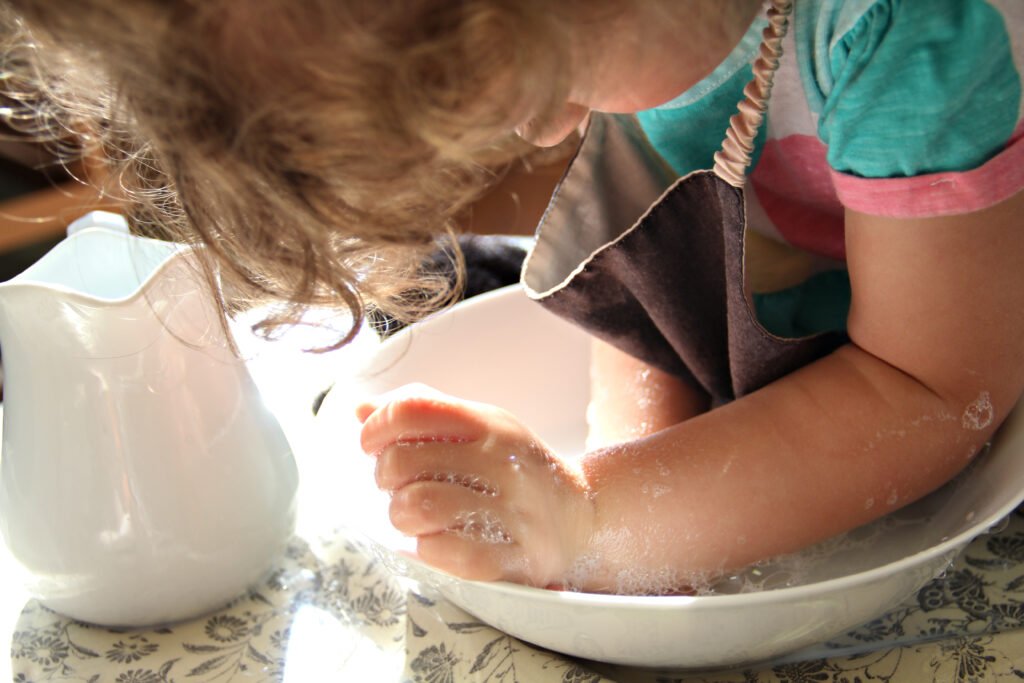 Practical Life is the work of independence. It begins at home with dressing oneself, putting on one's shoes, feeding oneself. In the Children's House the child is given the opportunity to grow these skills.
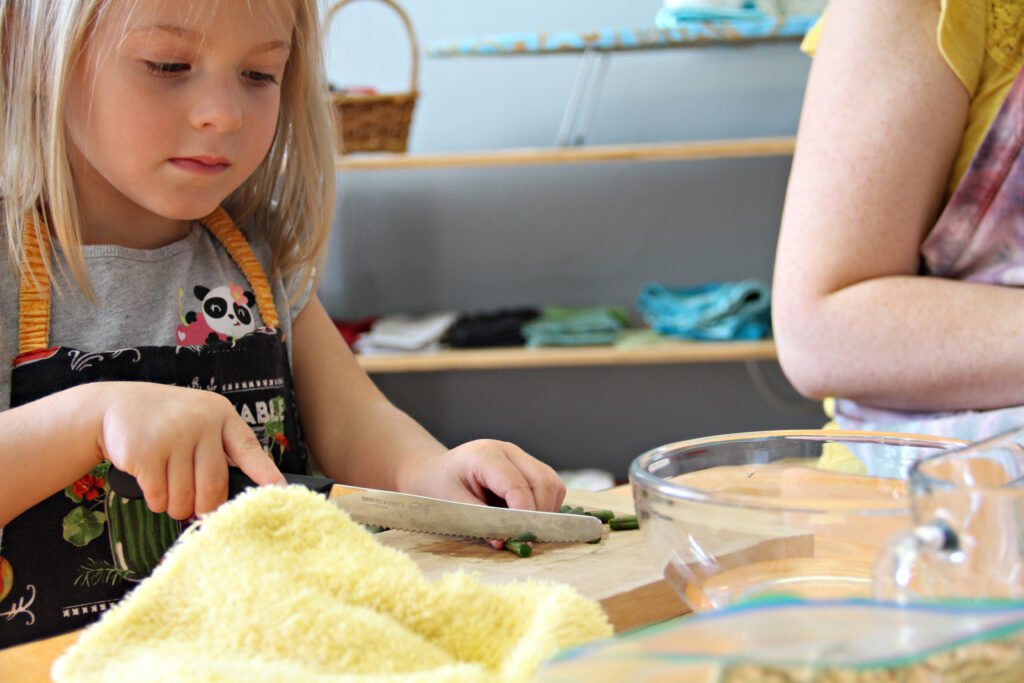 How beautiful it is to see young children washing their hands, scrubbing tables and cutting vegetables. There is an inherent goodness to these activities. The work is purposeful and consuming; the outcome is measurable and satisfying; the children, as a result, are calm and centered.Practical Life work expands as the child turns from activities centered around the care of the self (e.g., Hand Washing) to those that encompass the care of the environment (e.g., Table Washing, Sweeping). As young children more firmly develop their sense of self and begin to master those skills which enable them to take care of themselves, they can broaden their focus to include the world outside of themselves. Their interest in the environment is met with Practical Life work which involves them in the care of their surroundings. This is done in a way that builds their sense of ownership of the classroom as well as their role in the community
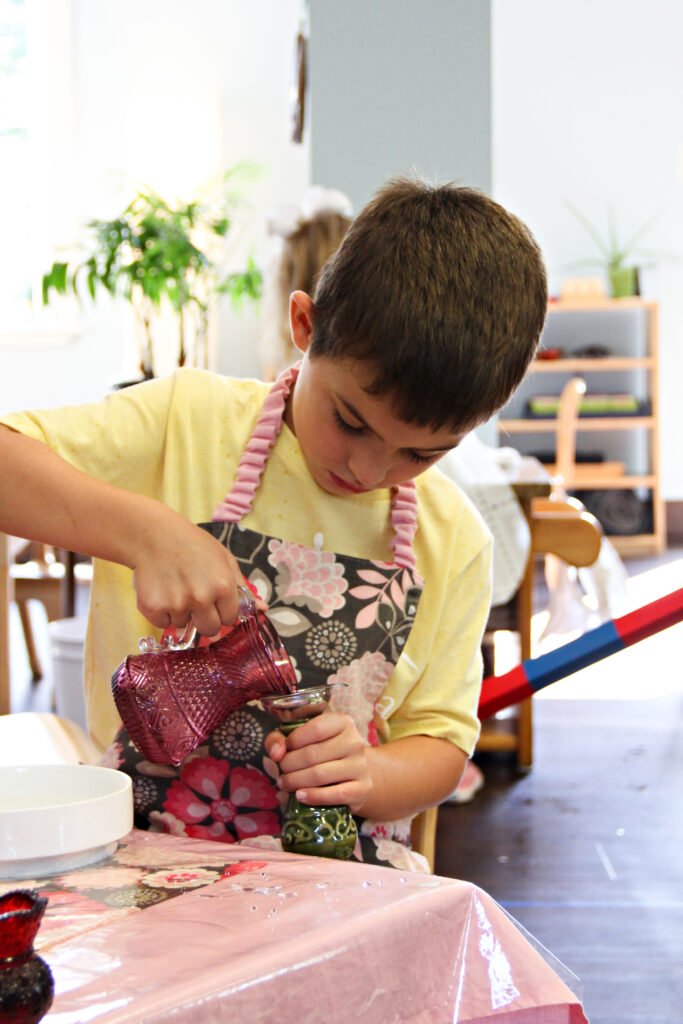 In Practical Life exercises such as flower arranging and ironing, the child’s care for the environment goes beyond necessities such as cleaning and food preparation and incorporates the beautification of the environment.
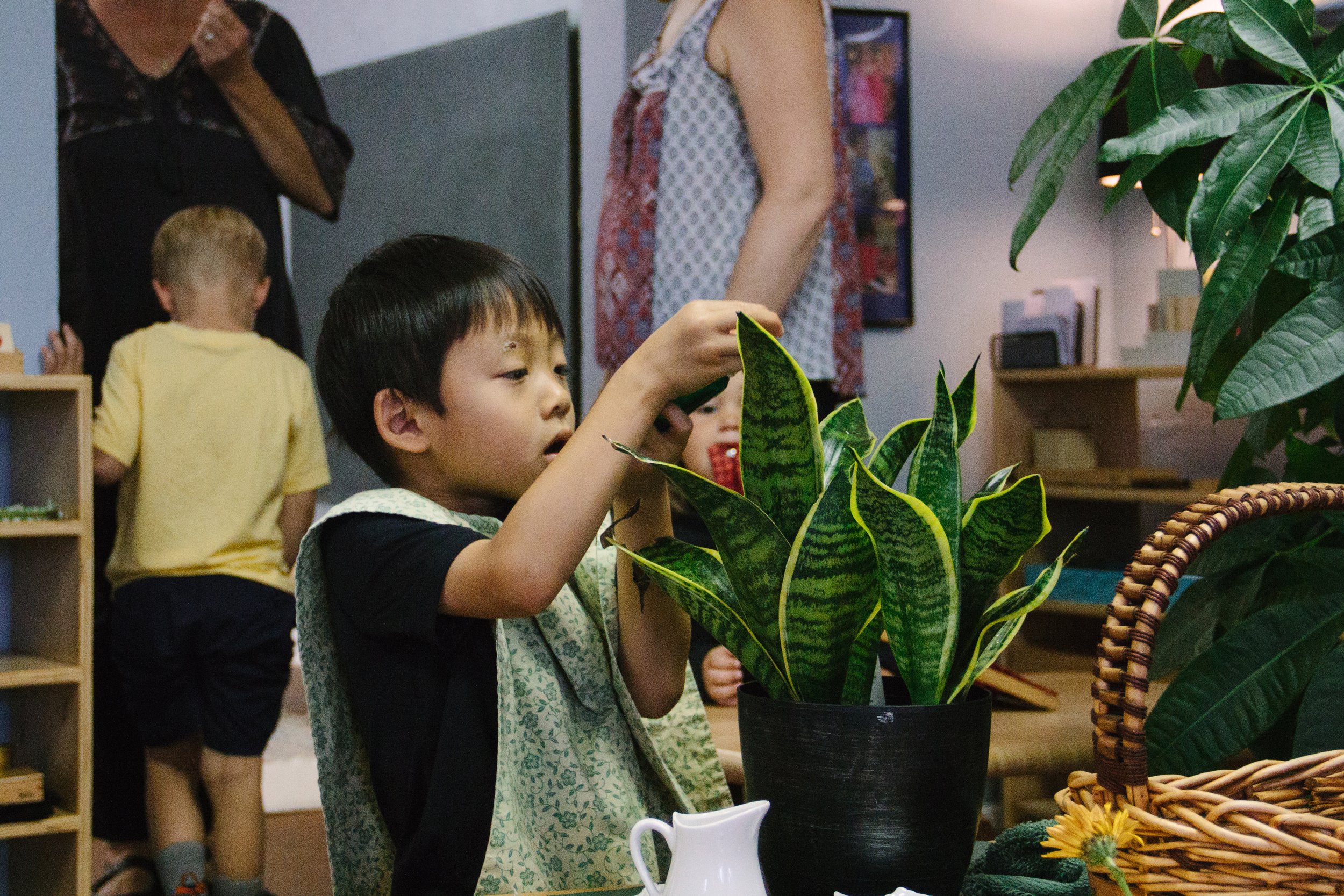 Practical Life does not end in the Children's House. It continues to develop as the child’s relationship to their environment changes. Throughout the year we’ll delve deeper into the many aspects of Practical Life and examine how it evolves as the children move on to Elementary.Thanks as always to fabulously talented Melinda Smith for her photographic skills.